

Lime trees can grow in Ohio, but success depends on careful selection and proper care. Choosing the right variety and providing adequate protection during harsh winters are crucial for thriving lime trees in the Buckeye State.
Choosing Ideal Lime Tree Varieties for Ohio
Selecting the right lime tree varieties is crucial for successful cultivation in Ohio’s unique climate. Understanding the specific needs and characteristics of different lime species can enhance growth and fruit production. This section will guide you through the best options to thrive in the Buckeye State.
Choosing the appropriate lime tree variety is essential for successful growth in Ohio’s climate. The Key lime and Persian lime are popular choices.
Key limes are smaller and more acidic, while Persian limes are larger and less tart. Both varieties require specific conditions to flourish.
| Variety | Size | Flavor Profile | Hardiness Zone |
|---|---|---|---|
| Key Lime | Small | Very tart | 10-11 |
| Persian Lime | Medium | Mildly tart | 9-11 |
Key limes may struggle in colder areas, while Persian limes can adapt better to Ohio’s climate. Understanding these differences can help you make an informed choice.
Recommended Products

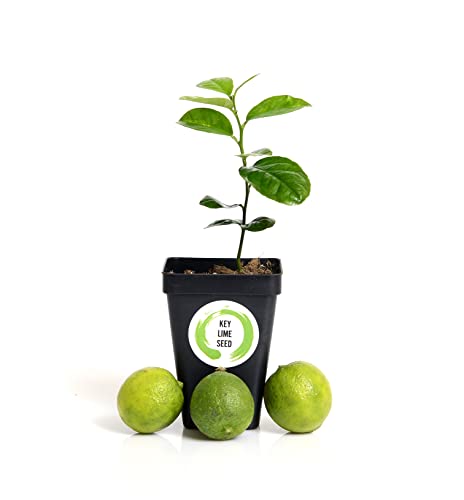

Easy to Grow – Requires minimal care and thrives in full sun or partial shade
Soil Preparation for Healthy Lime Trees
To successfully cultivate lime trees in Ohio, proper soil preparation is essential. The right soil conditions can significantly influence the growth and fruit production of these trees, ensuring they thrive in the Buckeye State’s climate. This section outlines the key steps to create an optimal environment for healthy lime tree development.
Soil preparation is a critical step in establishing healthy lime trees. Lime trees thrive in well-drained, sandy loam soils with a pH between 6.0 and 7.0. Conduct a soil test to determine pH and nutrient levels.
To prepare your soil, follow these steps:
Test soil pH using a home testing kit.
Amend soil with sulfur or lime to adjust pH.
Incorporate organic matter like compost to improve drainage and nutrient content.
Proper soil preparation sets the foundation for robust growth and fruit production.
Winter Protection Strategies for Lime Trees
Lime trees can thrive in Ohio, but their survival during harsh winters requires careful planning. Implementing effective winter protection strategies is essential to safeguard these tropical plants from freezing temperatures and snow. This section outlines practical methods to ensure your lime trees remain healthy and productive throughout the cold months.
Ohio winters can be harsh, and lime trees need protection to survive. Young trees are particularly vulnerable to frost and freezing temperatures. Consider these protective measures:
Mulch around the base to insulate roots.
Wrap the trunk with burlap or tree wrap.
Use frost cloths during extreme cold snaps.
Monitoring local weather forecasts is essential for timely protection. Failure to protect lime trees can result in significant damage or even death.
Watering and Fertilizing Lime Trees in Ohio
Proper watering and fertilizing are crucial for the successful growth of lime trees in Ohio’s unique climate. Understanding the specific needs of these trees will help ensure they thrive, producing healthy fruit and vibrant foliage. This section will provide essential guidelines for maintaining optimal moisture levels and nutrient balance for lime trees in the Buckeye State.
Watering and fertilizing are crucial for lime tree health. Lime trees require consistent moisture but do not tolerate waterlogged conditions. Follow these guidelines:
Water deeply once a week, allowing soil to dry between sessions.
Use a balanced fertilizer formulated for citrus trees every six weeks during the growing season.
Proper watering and fertilization promote healthy growth and fruit production.
Recommended Products

Package contains 4 Pounds organic fruit and citrus fertilizer grains and is produced to avoid wasteful runoff, mess, hazards and smells

FOR USE ON: Use Citrus-tone organic fertilizer for all citrus trees, including lemon, lime, orange, Meyer Lemon Trees as well as for avocado & nut trees

Balanced Organic Nutrition – Supplies a 6‑3‑3 NPK ratio along with calcium, sulfur, iron, and zinc to foster healthy foliage, flowering, and fruit.
Pests and Diseases Threatening Lime Trees
Lime trees, while capable of thriving in Ohio’s climate, face various pests and diseases that can hinder their growth and productivity. Understanding these threats is crucial for gardeners and growers aiming to cultivate healthy lime trees in the Buckeye State. This section delves into the common issues that may arise and offers insights on prevention and management strategies.
Lime trees are susceptible to various pests and diseases that can hinder their growth. Identifying these issues early can save your trees. Common pests include:
Aphids: Small insects that suck sap and can cause leaf curling.
Spider mites: Tiny pests that create webbing and cause leaf discoloration.
Diseases such as citrus greening can also affect lime trees. Regularly inspect your trees for signs of infestation or disease.
| Pest/Disease | Symptoms | Control Measures |
|---|---|---|
| Aphids | Leaf curling, sticky residue | Insecticidal soap |
| Spider Mites | Webbing, leaf discoloration | Neem oil |
| Citrus Greening | Yellowing leaves, poor fruit | Remove infected trees |
Monitoring and addressing these issues promptly can ensure healthy lime trees.
Optimal Lime Harvesting Techniques
Harvesting limes at the right time and using effective techniques can significantly impact the quality and yield of your crop. Understanding the optimal conditions and methods for harvesting in Ohio’s climate will help ensure that you maximize the potential of your lime trees. This section delves into the best practices for successful lime harvesting in the Buckeye State.
Harvesting limes at the right time is crucial for flavor and quality. Limes are typically ready to harvest when they turn a vibrant green color and feel slightly soft to the touch.
To harvest limes:
Use pruning shears to cut the fruit from the tree.
Store harvested limes in a cool, dark place to prolong freshness.
Proper harvesting and storage techniques can enhance the quality of your limes.
Ohio Lime Tree Cultivation Strategies
Growing lime trees in Ohio presents unique challenges due to the state’s climate and soil conditions. This section explores effective cultivation strategies tailored for Ohio gardeners, focusing on techniques that enhance growth and fruit production while addressing the specific environmental factors that impact lime tree health in the Buckeye State.
Growing lime trees in Ohio is achievable with the right knowledge and practices. Selecting the right variety, preparing the soil, protecting against winter, and managing pests are all vital steps.
Ensure you monitor your trees regularly and take action when needed. This proactive approach will lead to a fruitful lime harvest.
