

Papaya trees typically thrive in tropical climates and struggle in colder regions like Minnesota. However, with the right techniques and care, it is possible to grow papayas in Minnesota, especially during the warmer months.
Papaya Tree Growth Conditions in Minnesota
Growing papaya trees in Minnesota presents unique challenges due to the state’s climate. Understanding the specific growth conditions required for these tropical plants is crucial for anyone looking to cultivate them in a northern environment. This section explores the essential factors that influence papaya tree growth in Minnesota, including temperature, soil type, and sunlight needs.
Papaya trees require specific conditions to grow successfully. They flourish in warm temperatures, ideally between 70°F and 90°F.
These trees also need well-drained soil and plenty of sunlight. In Minnesota, the growing season is limited, so understanding these requirements is crucial for success.
Recommended Products

MOISTURE RETENTION: Miracle-Gro Sphagnum Peat Moss for plants retains moisture and nutrients, and helps promote strong root development

【Moisture retention】Peat moss can absorb and retain water very well. This makes a great place for seed starting and as the mixes with other growing materials
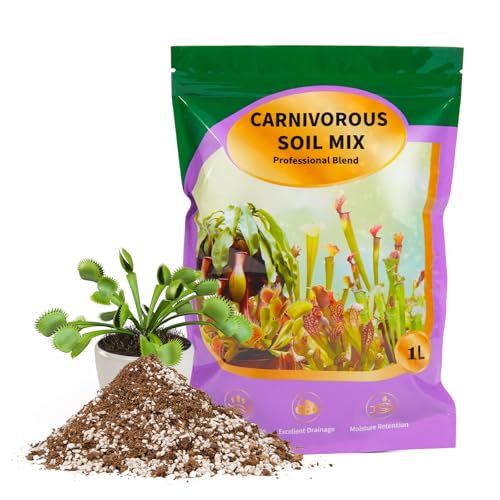
【Low-Nutrient Formula】Specifically formulated with a low-nutrient profile to mimic the natural, nutrient-poor environments where carnivorous plants thrive.
Optimal Soil Requirements for Minnesota Papayas
Growing papaya trees in Minnesota presents unique challenges, particularly regarding soil conditions. Understanding the optimal soil requirements is crucial for successful cultivation in this northern climate. This section explores the specific soil types and amendments needed to support healthy papaya growth in Minnesota’s environment.
The soil quality significantly impacts the growth of papaya trees. Papayas prefer:
Well-draining soil
Slightly acidic to neutral pH (6.0 to 7.0)
Organic matter to retain moisture
To prepare the soil, consider mixing in compost or well-rotted manure. This enhances nutrient availability and improves drainage.
| Soil Component | Purpose |
|---|---|
| Compost | Adds nutrients |
| Sand | Improves drainage |
| Peat Moss | Retains moisture |
Optimal Papaya Planting Times in Minnesota
Understanding the optimal planting times for papaya trees in Minnesota is crucial for successful growth in this challenging climate. With the right timing, you can maximize the chances of your papaya thriving despite the shorter growing season. This section will provide insights into the best months and conditions for planting papayas in northern regions.
Timing is critical for growing papayas in Minnesota. Start seeds indoors 6-8 weeks before the last frost. Once the danger of frost has passed, transplant seedlings outdoors.
Consider these seasonal strategies:
Spring Planting: Begin seeds indoors in late winter.
Summer Growth: Ensure consistent watering during hot months.
Fall Preparation: Harvest fruits before the first frost.
Cold Protection Strategies for Papaya Trees
Growing papaya trees in Minnesota presents unique challenges due to the cold climate. To ensure these tropical plants thrive, it’s essential to implement effective cold protection strategies that safeguard them from harsh winter conditions. This section outlines practical methods to help papaya trees survive and flourish in a region where temperatures can drop significantly.
Minnesota winters pose a significant threat to papaya trees. To protect them, consider these methods:
Container Growing: Plant papayas in large containers for easy relocation indoors during winter.
Frost Covers: Use frost cloths or blankets to shield trees from unexpected cold snaps.
Heat Lamps: Install heat lamps for additional warmth during particularly cold nights.
Fertilization Strategies for Minnesota Papaya Trees
Fertilizing papaya trees in Minnesota requires careful consideration of the local climate and soil conditions. Given the challenges posed by colder temperatures, effective fertilization strategies can help ensure healthy growth and fruit production. This section outlines specific techniques and recommendations tailored for successfully nurturing papaya trees in a northern environment.
Proper fertilization supports healthy growth and fruit production. Use a balanced fertilizer high in potassium. Apply every 4-6 weeks during the growing season.
Consider these options:
Granular Fertilizers: Slow-release options provide nutrients over time.
Liquid Fertilizers: Quick absorption for immediate nutrient needs.
| Fertilizer Type | Application Frequency | Nutrient Focus |
|---|---|---|
| Granular | Every 4-6 weeks | Balanced nutrients |
| Liquid | As needed | Quick nutrient boost |
Papaya Tree Watering Best Practices
Proper watering is essential for the health of papaya trees, especially in a challenging climate like Minnesota. Understanding the specific needs of these tropical plants can help ensure they thrive despite the cooler temperatures. This section outlines best practices for watering papaya trees to promote optimal growth and fruit production.
Papayas require consistent moisture but are sensitive to overwatering. Follow these guidelines:
Watering Frequency: Water deeply once a week.
Soil Check: Ensure the top inch of soil dries out between waterings.
Mulching: Use organic mulch to retain soil moisture and regulate temperature.
Papaya Pest and Disease Control Strategies
Growing papaya trees in Minnesota presents unique challenges, particularly when it comes to managing pests and diseases. Understanding the specific threats these trees face in a northern climate is crucial for successful cultivation. This section outlines effective control strategies to help ensure the health and productivity of your papaya trees.
Pests and diseases can hinder the growth of papaya trees. Regular monitoring is essential. Common issues include:
Aphids: Use insecticidal soap to control infestations.
Powdery Mildew: Ensure good air circulation to prevent fungal diseases.
Implementing these management strategies keeps your papaya trees healthy and productive.
Growing Papayas in Minnesota Considerations
Growing papayas in Minnesota presents unique challenges due to the state’s cold climate and shorter growing season. Understanding the specific considerations for cultivating these tropical trees can help enthusiasts successfully nurture them in a less-than-ideal environment. This section explores essential factors to keep in mind for thriving papaya growth in northern regions.
Growing papayas in Minnesota requires careful planning and dedication. Ensure you monitor weather conditions and adjust your care routine accordingly.
Papayas can be a rewarding addition to your garden if you follow these guidelines.
