
Close Menu
    Fruit Tree Hub
    • Home
    • Apple Trees
    • Lemon Trees
    • Mango Trees
    • Orange Trees
    • More Trees
      • Best Fruit Trees
      • Apricot Trees
      • Cherry Trees
      • Fig Trees
      • Lime Trees
      • Mulberry Trees
      • Peach Trees
      • Pear Trees
      • Plum Trees
      • Pomegranate Trees
    • Tips and Advice
      • Tools
    • About Us
      • Contact
      • Privacy Policy
    Fruit Tree Hub
    Home»Planting»Growing Banana Trees in Connecticut (Indoor Success Secrets)
    Planting

    Growing Banana Trees in Connecticut (Indoor Success Secrets)

    Lucy SmithBy Lucy SmithSeptember 11, 20255 Mins Read
    Share Facebook Twitter Pinterest WhatsApp Email
    Share
    Facebook Twitter LinkedIn Pinterest Telegram Email

    Growing banana trees indoors in Connecticut is achievable with the right techniques. Selecting the appropriate variety and providing optimal conditions will ensure successful growth and fruit production.

    Contents show
    1 Choose the Right Banana Variety
    1.1 Best Banana Varieties for Indoor Cultivation
    2 Ideal Indoor Conditions for Banana Trees
    2.1 Optimal Light Requirements for Indoor Bananas
    3 Pest Management for Indoor Banana Trees
    3.1 Pest Management Strategies for Banana Trees
    4 Banana Tree Pruning and Repotting Techniques
    4.1 Pruning Techniques for Healthy Banana Trees
    5 Optimal Banana Harvest Timing
    5.1 Banana Size Assessment for Harvesting

    Choose the Right Banana Variety

    Selecting the right banana variety is crucial for indoor success. Some varieties are better suited for container growth and indoor conditions. Dwarf varieties such as the Dwarf Cavendish are popular for indoor cultivation due to their manageable height and robust growth.

    Recommended Products

    Banana Tree Dwarf Cavendish (4 Pack) Live Banana Plant for Sale | Easy to Grow Plants | Edible Fruit Plant. | Grow Your own Food on Your Edible Organic Garden|Live for Planting|
    Banana Tree Dwarf Cavendish (4 Pack) Live Banana Plant for Sale | Easy to Grow Plants | Edible Fruit Plant. | Grow Your own Food on Your Edible Organic Garden|Live for Planting|

    Growing banana plants at home promotes sustainability and self-sufficiency. Customers can reduce their reliance on store-bought bananas, which often come from far distances, and enjoy the satisfaction of harvesting their own organic fruit.

    VIEW LATEST PRICE

    As an affiliate, we earn on qualifying purchases.

    Dwarf Cavendish Banana Tree Plant, Indoor Outdoor Plant, 1 Gallon Pot | Without State CA, 1-2 Year Old, Well-Rooted Plant, Overwinter Indoors, Warm Temperatures, Regular Watering, Full Sun
    Dwarf Cavendish Banana Tree Plant, Indoor Outdoor Plant, 1 Gallon Pot | Without State CA, 1-2 Year Old, Well-Rooted Plant, Overwinter Indoors, Warm Temperatures, Regular Watering, Full Sun

    Banana trees grow quickly in warm conditions, producing large, lush green leaves that create a bold tropical look in yards, patios, or landscapes

    MUST READ
    Banana Trees in Iowa: Pro Tips for Healthy Harvests
    VIEW LATEST PRICE

    As an affiliate, we earn on qualifying purchases.

    Dwarf Cavendish Banana Tree (2-Pack) Live Plant by Wellspring Gardens | Starter Plant for Indoor and Outdoor Ambiance - Compact Size | Musa
    Dwarf Cavendish Banana Tree (2-Pack) Live Plant by Wellspring Gardens | Starter Plant for Indoor and Outdoor Ambiance - Compact Size | Musa

    MATURE SIZE & CARE GUIDE: Reaches an average mature height of 8-10 feet and thrives in Zones 8-11. Basked in sunlight, it will flourish in well-drained, rich soil, with an N/P/K fertilizer ratio of 3:1:6, like Wellspring Gardens' Banana Fuel Fertilizer. Take caution against freezing temperatures below 35°F. Administer 1/4 teaspoon of fertilizer weekly for indoor potted plants, 1/2 teaspoon for outdoor potted ones, and 1 teaspoon for outdoor landscape plants.

    VIEW LATEST PRICE

    As an affiliate, we earn on qualifying purchases.

    Best Banana Varieties for Indoor Cultivation

    When cultivating banana trees indoors in Connecticut, selecting the right variety is crucial for success. Certain banana cultivars thrive better in confined spaces and can adapt to the unique indoor conditions. Understanding these optimal varieties will help you maximize growth and fruit production in your indoor garden.

    When choosing a banana tree, consider the following varieties:

    VarietyHeightFruit SizeDays to Maturity
    Dwarf Cavendish3-4 feetMedium75-80
    Red Dacca4-6 feetLarge80-90
    Lady Finger3-5 feetSmall90-100

    These options thrive in indoor settings and produce sweet fruit.

    Ideal Indoor Conditions for Banana Trees

    Creating the right indoor environment is crucial for successfully growing banana trees in Connecticut. These tropical plants thrive under specific conditions that mimic their natural habitat, including temperature, humidity, and light levels. Understanding these ideal indoor conditions will help ensure your banana trees flourish, even in a climate that may not be naturally suited for them.

    MUST READ
    When to Spray Dormant Oil on Lemon Trees? Citrus Pest Control Tips

    Banana trees require specific conditions to flourish indoors. Temperature, humidity, and light are key factors that influence growth. Aim for a consistent temperature of 75-85°F and maintain humidity levels around 50-60%.

    Optimal Light Requirements for Indoor Bananas

    Understanding the light requirements for indoor banana trees is crucial for successful growth, especially in a state like Connecticut where outdoor conditions can be challenging. This section delves into the optimal light conditions needed to ensure your banana plants thrive indoors, providing the necessary insights for achieving lush foliage and fruitful yields.

    • Light: Provide at least 12 hours of bright, indirect sunlight daily. Consider using grow lights if natural light is insufficient.

    • Water: Keep the soil consistently moist but not soggy. Water when the top inch of soil feels dry.

    • Fertilizer: Use a balanced, water-soluble fertilizer every 4-6 weeks during the growing season.

    Pest Management for Indoor Banana Trees

    Managing pests effectively is crucial for the health of indoor banana trees in Connecticut. These plants can attract various pests that may hinder their growth and fruit production. Understanding common pests and implementing targeted management strategies will help ensure your banana trees thrive indoors.

    Indoor banana trees can attract pests and suffer from diseases. Regular monitoring and preventive measures can help maintain plant health. Common issues include spider mites and aphids, which can be managed with insecticidal soap.

    Recommended Products

    Mighty Mint Peppermint Oil Plant Protection Spray, 16 oz | Insect & Pest Control for Gnats, Spider Mites & Aphids, Plant-Based, Easy-to-Use
    Mighty Mint Peppermint Oil Plant Protection Spray, 16 oz | Insect & Pest Control for Gnats, Spider Mites & Aphids, Plant-Based, Easy-to-Use

    Plant-Based Pest Protection: Helps protect plants from common pests including gnats, spider mites, aphids, fungus issues, and other plant-damaging insects using plant-based ingredients.

    MUST READ
    Growing Banana Trees in Houston, TX: Humidity and Fungus Tips
    VIEW LATEST PRICE

    As an affiliate, we earn on qualifying purchases.

    Earth's Ally 3-in-1 Plant Spray for Pests & Disease, 32 Oz | Insect Repellent & Pest Control for Indoor Outdoor Organic Gardening - 32 Oz Ready-to-Use
    Earth's Ally 3-in-1 Plant Spray for Pests & Disease, 32 Oz | Insect Repellent & Pest Control for Indoor Outdoor Organic Gardening - 32 Oz Ready-to-Use

    3-IN-1 GARDEN CARE SPRAY - Earth’s Ally 3-in-1 Plant Spray is a ready-to-use botanical oil spray designed for indoor and outdoor plant care. The houseplant pest spray effectively kills and controls soft-bodied insects and common plant diseases with a synergistic blend of essential oils.
    VIEW LATEST PRICE

    As an affiliate, we earn on qualifying purchases.

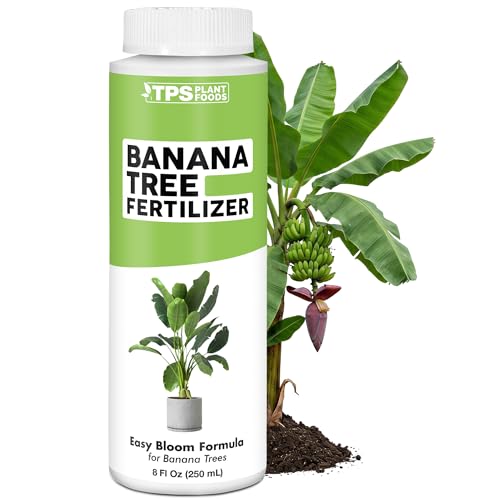
    Banana Tree Fertilizer, Liquid Plant Food for Healthy Growth, 8 oz | Indoor or Outdoor Use, For All Banana Tree Varieties, Helps Reduce Leaf Yellowing, Kelp-Enriched Formula, Easy Mix & Feed
    Banana Tree Fertilizer, Liquid Plant Food for Healthy Growth, 8 oz | Indoor or Outdoor Use, For All Banana Tree Varieties, Helps Reduce Leaf Yellowing, Kelp-Enriched Formula, Easy Mix & Feed

    Made for Banana Trees – Specially formulated banana fertilizer designed to support the nutrient needs of banana plants.

    VIEW LATEST PRICE

    As an affiliate, we earn on qualifying purchases.

    Pest Management Strategies for Banana Trees

    Managing pests is crucial for the health of banana trees, especially in Connecticut’s unique indoor growing conditions. Effective strategies can help prevent infestations and ensure robust growth. Understanding common pests and implementing targeted solutions will enhance your success in cultivating these tropical plants indoors.

    PestSymptomsTreatment
    Spider MitesYellowing leavesInsecticidal soap
    AphidsCurling leavesNeem oil
    Fungal IssuesBrown spots on leavesFungicide application

    Prompt action is essential to prevent infestations from spreading.

    Banana Tree Pruning and Repotting Techniques

    Pruning and repotting are essential practices for maintaining healthy banana trees, especially when grown indoors in Connecticut’s climate. These techniques not only promote growth but also enhance the overall vigor of the plant. Understanding the right methods and timing for these tasks can significantly impact your success in cultivating thriving banana trees in your home.

    MUST READ
    Can Banana Trees Grow in South Dakota? (High Plains Secrets)

    Regular pruning and repotting are necessary for maintaining the health of your banana tree. Pruning encourages new growth and allows for better air circulation. Repotting every 1-2 years ensures the tree has enough space to grow.

    Pruning Techniques for Healthy Banana Trees

    Pruning is a crucial aspect of maintaining healthy banana trees, especially for those grown indoors in Connecticut’s unique climate. This section will explore effective pruning techniques that promote robust growth, enhance fruit production, and ensure the overall vitality of your banana plants. Understanding these methods will help you cultivate thriving trees in your indoor garden.

    1. Prune dead or yellowing leaves regularly to promote healthy growth.

    2. Repot in a larger container when roots begin to emerge from the drainage holes.

    3. Use fresh potting mix to provide nutrients.

    Optimal Banana Harvest Timing

    Understanding the optimal timing for harvesting banana trees is crucial for achieving the best flavor and texture. In Connecticut’s unique climate, knowing when to pick your bananas can make a significant difference in the quality of your indoor crop. This section will guide you through the signs of ripeness and the best practices for timing your harvest.

    Understanding when to harvest is crucial for enjoying sweet bananas. Bananas should be harvested when they are plump and the skin starts to turn yellow. Indoor bananas may take longer to ripen than those grown outdoors.

    Banana Size Assessment for Harvesting

    Assessing the size of banana fruit is crucial for determining the optimal time for harvesting, especially in Connecticut’s unique climate. Understanding the ideal dimensions and characteristics of ripe bananas can significantly enhance indoor growing success. This section will provide specific guidelines to help you evaluate your bananas effectively before picking.

    • Check for Size: Ensure bananas have reached their full size.

    • Color Change: Look for a yellow hue with slight green tips.

    • Timing: Harvest in the morning for optimal freshness.

    MUST READ
    Banana Trees in St. Petersburg, FL: Gulf Coast Sun Success

    Regular care and attention will yield a fruitful indoor banana tree. Monitor conditions and adjust as needed to ensure a successful harvest.

    Share. Facebook Twitter Pinterest LinkedIn Tumblr Email
    lucy smith
    Lucy Smith
    • Website

    Lucy Smith is a highly experienced horticulturist with a passion for fruit tree cultivation. She holds a degree in Horticulture from the University of California, Davis, and has worked in various roles in the industry. With over 10 years of experience, Lucy is dedicated to using eco-friendly methods for sustainable gardening practices.

    Related Posts

    Can Olive Trees Grow in New Jersey? Garden State Growth Tips

    July 11, 2026

    Can Star Fruit Trees Grow in Missouri? Expert Variety Guide

    July 10, 2026

    How to Grow Jujube Trees in Las Vegas, NV: Desert Growth

    July 10, 2026

    Mango Trees in Illinois: Indoor and Greenhouse Growth Secrets

    July 10, 2026

    Growing Papaya Trees in Oklahoma: High Heat Resilience

    July 10, 2026

    Tamarind Trees in a Pot in Ohio (Complete Maintenance Manual)

    July 10, 2026
    Leave A Reply Cancel Reply

    Affiliate Disclosure

    As an Amazon Associate I earn from qualifying purchases.

    Recommended Reading

    Does Kiwi Grow on a Tree or Vine? Unveiling the Growth Secrets and Plant Care Tips

    How to Make Banana Trees Fruit: Tips for Thriving Plants and Bountiful Harvests

    Do lime trees lose their leaves in the winter?

    How to Manage Walnut Tree Diseases Organically

    When is the Right Time to Prune Fruit Trees: A Guide to Healthier Harvests and Techniques

    Apple Trees in Reno, NV: High Desert Mountain Advice

    Do Fruit Trees Need to Be Pollinated for a Bountiful Harvest and Healthy Growth?

    Quince Trees in a Pot in Wisconsin (Indoor Survival Methods)

    Is Chicken Poop Good for Fruit Trees: Benefits and Best Practices for Healthy Growth

    How Many Years for Rambutan Tree to Bear Fruit: Essential Tips for Successful Growth

    Fruit Tree Hub

    Fruit Tree Hub is a website dedicated to providing you everything you need to grow fruit trees successfully at in your own yard.

    Contact us at: [email protected]

    - AFFILIATE DISCLOSURE: As an Amazon Associate I earn from qualifying purchases.

    Latest Posts

    18 Coastal Crochet Tops in White and Neutral Shades

    16 Retro Crochet Tops Built Around Multicolor Granny Squares

    16 Modest Crochet Tops Featuring Higher Necklines

    19 Cottagecore Crochet Tops With Square Necklines

    13 Ruffled Crochet Tops With Flared Hems

    19 Lace Crochet Tops Featuring Intricate Openwork

    14 Floral Crochet Tops Inspired by Botanical Motifs

    20 Boho Crochet Halter Tops for Festival Outfits

    Categories
    • Almond Trees
    • Apple Trees
    • Apricot Trees
    • Best Fruit Trees
    • Blackberry
    • Cantaloupe
    • Cherry Trees
    • Christmas Crochet Ideas
    • Crochet Bag Ideas
    • Crochet Blanket Ideas
    • Crochet Dress Ideas
    • Crochet Ideas
    • Crochet Ideas for Beginners
    • Crochet Top Ideas
    • Cucamelon
    • Easy Crochet Ideas
    • Easy Knitting Projects
    • Fall Crochet Ideas
    • Fig Trees
    • Grapefruit Trees
    • Grapes
    • Guava Trees
    • Halloween Crochet Ideas
    • Honeydew
    • Jujube Trees
    • Kiwi
    • Knitting For Beginners
    • Knitting Ideas
    • Knitting Inspiration
    • Lemon Trees
    • Lime Trees
    • Loquat Trees
    • Mango Trees
    • Mulberry Trees
    • Nectarine Trees
    • Olive Trees
    • Orange Trees
    • Papaya Trees
    • Peach Trees
    • Pear Trees
    • Persimmon Trees
    • Planting
    • Plum Trees
    • Pomegranate Trees
    • Quince Trees
    • Raspberry
    • Reviews
    • Small Crochet Ideas
    • Star Fruit Trees
    • Summer Crochet Ideas
    • Tamarind Trees
    • Tangerine Trees
    • Tips and Advice
    • Tools
    • Uncategorized
    • Walnut Trees
    • Winter Crochet Ideas
    © 2026 Fruit Tree Hub
    • Home
    • About Us
    • Contact
    • Privacy Policy
    • Terms and Conditions
    • Disclaimer
    • Editorial Policy
    • Affiliate Disclosure

    Type above and press Enter to search. Press Esc to cancel.