

Lime trees can thrive in Idaho’s cold climate with proper care and strategic planting. To ensure survival, select cold-hardy varieties and implement protective measures during winter months.
Cold-Hardy Lime Varieties for Idaho
Idaho’s unique climate presents challenges for growing lime trees, but certain cold-hardy varieties have adapted well to these conditions. Understanding which lime types thrive in colder temperatures can help gardeners successfully cultivate these citrus fruits, ensuring a fruitful harvest despite the state’s frosty winters. This section explores the best lime varieties suited for Idaho’s cold climate.
Choosing the right lime tree is crucial for successful growth in Idaho. Cold-hardy varieties can withstand lower temperatures and are better suited for the region’s climate. Look for the following options:
Improved Meyer Lime: This hybrid is known for its cold tolerance and sweet fruit.
Kaffir Lime: While primarily used for its leaves, it can survive cooler temperatures.
Persian Lime: A popular choice that can endure moderate frost.
These varieties are more likely to survive Idaho’s winters and produce fruit.
Recommended Products

LIME BONSAI TREE SEEDS: 30 Lime Tree Seeds. Grow as Bonsai or for food.
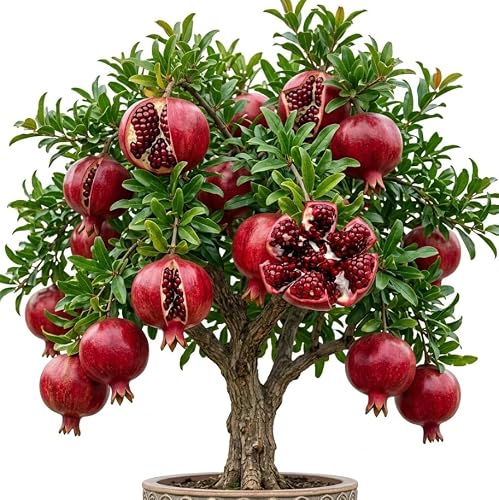
Each order includes a live red pomegranate plant, carefully grown and ready to thrive in your garden or home.

More than 50 years of research has gone into developing cherry trees with cold hardiness, dwarf stature and good fruit quality.
Winter Protection for Lime Trees
Lime trees, typically associated with warmer climates, face unique challenges in Idaho’s cold winters. To ensure their survival, specific strategies must be implemented to protect these delicate plants from frost and freezing temperatures. Understanding these winter protection techniques is essential for successful lime cultivation in a region where harsh weather can threaten their growth.
Preparation is key to ensuring lime trees survive harsh winters. Start by insulating the root zone and protecting the foliage from frost. Follow these steps:
Mulch: Apply a thick layer of organic mulch around the base to retain soil warmth.
Wrap: Use burlap or frost cloth to wrap the tree, protecting it from freezing winds.
Water: Ensure the tree is well-watered before the first freeze, as hydrated trees are more resilient.
Implementing these measures can significantly improve the chances of survival.
Recommended Products

The Large plant cover is perfect for Plant size 55''-70"high and 84''-94" round, Heavy-weight FRCs (1.77oz./sq. yard): usually used to extend the growing season in spring and fall, allow 40%-60% light transmittance, and recommend 3°-8°F of freeze protection

[VALUE 5 PACK]:You will receive 5 large burlap plant cover bags, each measuring 32 X 40 inches. This ample quantity and rustic design ensure you have enough covers to protect your plants throughout winter, with added convenience for replacement. Perfect for various garden sizes and tree types.

Sturdy Material, Porous and Breathable: our tree wrap is made of jute burlap material. It was light weight so it didn't hurt the plants and keeping them warm saved them from freezing, and dries faster than most wraps after it gets wet so the danger of rotting is broken
Essential Care Strategies for Cold-Climate Lime Trees
Caring for lime trees in Idaho’s cold climate requires specific strategies to ensure their survival and productivity. Understanding the unique challenges posed by low temperatures and frost is crucial for successful cultivation. This section outlines essential care techniques that will help lime trees thrive despite the harsh conditions.
The following table summarizes essential care strategies for lime trees in cold climates.
| Care Strategy | Description | Importance Level (1-5) |
|---|---|---|
| Mulching | Insulates roots and retains moisture | 5 |
| Wrapping | Protects from frost and wind | 4 |
| Proper Watering | Ensures hydration before freeze | 5 |
| Pruning | Removes dead branches for health | 3 |
This table provides a quick reference for essential care strategies.
Lime Tree Planting Considerations in Idaho
Planting lime trees in Idaho requires careful consideration due to the state’s unique cold climate. Understanding the specific conditions and challenges can help ensure successful growth and fruit production. This section explores essential factors to keep in mind when establishing lime trees in this region.
Planting lime trees in Idaho requires careful consideration of location and timing. Here are practical logistics to follow:
Choose a Sunny Spot: Select a location with full sun exposure for at least six hours daily.
Soil Preparation: Ensure well-draining soil by mixing in compost or sand to improve drainage.
Timing: Plant in late spring after the last frost to give trees ample time to establish roots.
Following these logistics will enhance the success rate of your lime trees.
Fertilization Techniques for Idaho Lime Trees
Fertilizing lime trees in Idaho requires careful consideration of the region’s unique climate and soil conditions. To promote healthy growth and fruit production, specific techniques tailored to cold-weather challenges are essential. Understanding these fertilization strategies can significantly enhance the resilience and yield of lime trees in this environment.
Fertilization plays a crucial role in the growth of lime trees. Regular feeding helps trees develop strong roots and produce fruit. Use the following guidelines:
Balanced Fertilizer: Apply a balanced fertilizer with equal parts nitrogen, phosphorus, and potassium.
Frequency: Fertilize every 6-8 weeks during the growing season.
Organic Options: Consider using compost or fish emulsion for a natural approach.
Proper fertilization can lead to healthier trees and better fruit yields.
Pest and Disease Monitoring for Lime Trees
Monitoring pests and diseases is crucial for the health of lime trees, especially in Idaho’s cold climate. Effective strategies can help identify potential threats early, ensuring that lime trees thrive despite environmental challenges. This section delves into the best practices for keeping these trees healthy and productive through vigilant observation and timely interventions.
Monitor for pests and diseases regularly. Early detection can prevent significant damage.
Cold-Climate Lime Tree Survival Strategies
Lime trees are typically associated with warmer climates, but growing them in Idaho presents unique challenges. Understanding effective survival strategies is essential for successfully cultivating these citrus trees in cold environments. This section explores practical methods to ensure lime trees thrive despite the harsh weather conditions often found in Idaho.
Implementing these strategies will enhance the chances of lime tree survival in Idaho’s cold climate. Focus on selecting the right varieties and preparing them adequately for winter conditions.
