

Growing papaya trees in pots in West Virginia is feasible with the right techniques, even in a mountain climate. By selecting suitable varieties and implementing effective care strategies, you can enjoy fresh papayas despite the region’s challenges.
Best Papaya Varieties for Mountain Climates
Selecting the right papaya variety is crucial for successful growth in West Virginia’s mountain climate. Certain varieties are better suited to handle the cooler temperatures and varying conditions found at higher elevations. This section highlights the best papaya options that thrive in these unique environmental challenges.
Choosing the correct papaya variety is crucial for successful growth in West Virginia’s mountain climate. Some varieties are more resilient to cooler temperatures and can thrive in pots. Look for options such as:
Hawaiian Solo: Known for its sweet flavor and compact size, ideal for container growth.
Red Lady: A hardy choice that produces large fruits and is more tolerant of cooler conditions.
Sunrise: Offers a unique flavor profile and is suitable for smaller spaces.
Optimal Potting Mix for Papaya Trees
Choosing the right potting mix is crucial for the successful growth of papaya trees in West Virginia’s mountain climate. The unique conditions of this region require a blend that supports drainage, aeration, and moisture retention to help these tropical plants thrive despite the cooler temperatures and varying humidity levels. Understanding the optimal mix can significantly enhance your papaya tree’s health and productivity.
The right potting mix is essential for healthy papaya growth. A well-draining mix helps prevent root rot and provides necessary nutrients. Consider using a blend of:
Coconut coir: Retains moisture while allowing drainage.
Perlite or vermiculite: Improves aeration and drainage.
Organic compost: Supplies essential nutrients.
Recommended Products
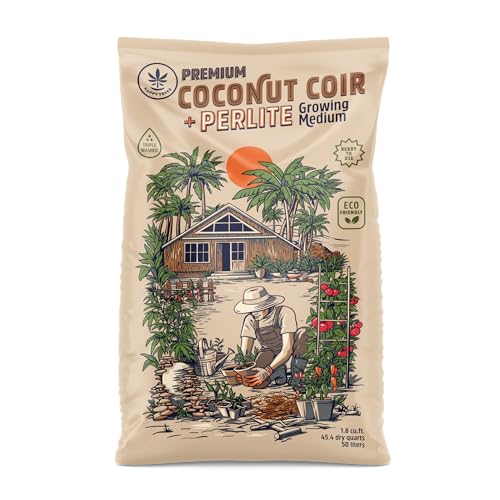
DITCH THE DIRT: Happy Trees Coconut Coir and Perlite is an absolute pleasure to garden with. It's pleasant to handle with low dust and a fresh aroma. Its soft fluffy texture is suitable for cultivation because of its ability to retain moisture without becoming saturated. It's also airy and light, giving plants an ease of growth that's impossible to achieve with any other medium. Once you and your plants feel it, you'll never want to deal with conventional soils again

You will receive (1) 2-cubic foot bag per purchase.

✅ Premium 70/30 Blend of Coco Coir and Perlite – Perfect for Small Pots & Houseplants Our loose-fill potting mix combines 70% coconut coir fiber and 30% perlite to deliver the perfect texture for delicate roots. This coco coir soil alternative supports strong aeration, balanced moisture, and easy drainage for indoor and outdoor containers. Ideal for succulents, herbs, orchids, and tropicals.
Pot Dimensions and Suitable Materials
Choosing the right pot dimensions and materials is crucial for successfully growing papaya trees in West Virginia’s mountain climate. The unique environmental conditions require careful consideration of factors like drainage, insulation, and size to ensure optimal growth and health of the plants. This section outlines the ideal specifications to help you create a thriving environment for your papaya trees.
The size and material of the pot affect the growth of papaya trees. A larger pot allows for better root development. Use pots made from:
Terracotta: Provides breathability and helps regulate temperature.
Plastic: Lightweight and retains moisture well.
| Pot Material | Benefits | Drawbacks |
|---|---|---|
| Terracotta | Breathable | Heavy |
| Plastic | Lightweight | Less breathable |
Ideal Papaya Tree Care in Mountain Climate
Caring for papaya trees in a mountain climate like West Virginia presents unique challenges and opportunities. Understanding the specific needs of these tropical plants, from temperature management to soil conditions, is essential for successful growth. This section outlines the best practices for nurturing papaya trees in pots, ensuring they thrive despite the region’s cooler temperatures and varying weather conditions.
Papaya trees thrive in warm, sunny environments. In West Virginia, consider the following conditions:
Sunlight: Place pots in a location that receives at least 6-8 hours of direct sunlight daily.
Temperature: Protect from frost by bringing pots indoors or using frost blankets during colder months.
Papaya Tree Care: Watering and Fertilizing Tips
Caring for papaya trees in pots requires attention to watering and fertilizing, especially in West Virginia’s mountain climate. Proper hydration and nutrient management are crucial for healthy growth and fruit production. This section provides essential tips to ensure your potted papaya thrives in a challenging environment.
Proper watering and fertilization are key to healthy papaya trees. Follow these guidelines:
Watering: Keep the soil consistently moist but not waterlogged. Check moisture levels regularly.
Fertilizing: Use a balanced fertilizer every 4-6 weeks during the growing season to promote strong growth.
Papaya Plant Pest and Disease Solutions
Managing pests and diseases is crucial for the successful growth of papaya trees in pots, especially in the unique mountain climate of West Virginia. Understanding the common threats these plants face and implementing effective solutions can help ensure their health and productivity. This section outlines practical strategies to combat these issues and promote thriving papaya plants.
Pests and diseases can threaten your papaya plants. Implement preventive measures to maintain plant health. Common issues include:
Aphids: Use insecticidal soap to control infestations.
Powdery mildew: Ensure good air circulation and avoid overhead watering.
Recommended Products

3-IN-1 FLOWER CARE: All-In-One Rose & Flower Plant Care provides insect control, disease control, and plant mite control all in one; Rainproof protection starts in 4 hours and lasts up to 14 days

PLANT DISEASE CONTROL: Natria Neem Oil acts as an insecticide and fungicide in one convenient spray; Ready-to-use trigger sprayer requires no mixing

KILLS LISTED INSECTS THROUGH CONTACT: Spinosad-based formula controls aphids, caterpillars, mealybugs, spider mites, thrips, and 30 listed pests on edible and ornamental plants
Seasonal Care Strategies for Potted Papayas
Caring for potted papaya trees in West Virginia’s mountain climate requires a tailored approach to seasonal changes. Understanding the specific needs of these tropical plants throughout the year can help ensure their growth and fruiting potential. This section outlines effective strategies to manage their care across different seasons.
Adjust care routines based on seasonal changes to ensure optimal growth. Consider these strategies:
Summer: Increase watering frequency due to higher evaporation rates.
Fall: Begin preparing for winter by reducing watering and applying mulch to retain soil warmth.
Harvest Timing for Container-Grown Papayas
Understanding the optimal harvest timing for container-grown papayas is crucial for gardeners in West Virginia’s mountain climate. Factors such as temperature fluctuations, sunlight exposure, and the specific growth stages of the papaya tree play significant roles in determining when fruits are ready for picking. This section explores the key indicators to look for to ensure a successful harvest.
Once your papaya trees begin to bear fruit, knowing when to harvest is essential. Look for these signs:
Color Change: Fruits should transition from green to yellow.
Softness: Gently squeeze the fruit; it should give slightly when ripe.
| Harvest Sign | Description |
|---|---|
| Color Change | Transition from green to yellow |
| Softness | Slight give when squeezed |
Papaya Pot Cultivation in Mountain Climates
Cultivating papaya trees in pots can be a rewarding endeavor, even in the challenging mountain climate of West Virginia. Understanding the specific requirements for growth, including temperature, soil type, and care techniques, is essential for successful cultivation. This section delves into the best practices for nurturing these tropical plants in a less-than-tropical environment.
Growing papaya trees in pots in West Virginia is achievable with careful planning and attention to detail. By selecting the right varieties, preparing the potting mix, and managing seasonal care, you can enjoy the fruits of your labor.
