

Growing walnut trees in pots in Philadelphia, PA is feasible with the right approach. These trees can thrive in urban environments if you choose the right varieties and provide proper care.
Selecting Ideal Walnut Tree Varieties for Containers
Selecting the appropriate walnut tree variety is crucial for success in an urban garden. The most suitable options for container growth include the Eastern Black Walnut and the English Walnut. These varieties adapt well to pot cultivation and can produce nuts within a few years. Consider the following factors when making your choice:
Climate Adaptability: Ensure the variety can withstand Philadelphia’s climate.
Size: Choose a variety that remains manageable in a pot.
Nut Production: Some varieties produce nuts faster than others.
Essential Supplies for Walnut Tree Cultivation
Growing walnut trees in pots can be a rewarding endeavor, especially in urban settings like Philadelphia. To ensure successful cultivation, it’s crucial to gather the right supplies that cater to the unique needs of these trees. This section outlines the essential items you will need to create a thriving environment for your potted walnut trees.
Before starting your walnut tree project, gather essential supplies. Proper equipment ensures a healthy growing environment. Here’s a checklist to help you prepare:
| Item | Purpose |
|---|---|
| Container | Provides adequate space for root growth |
| Potting Mix | Ensures proper drainage and nutrient supply |
| Fertilizer | Supports healthy growth and nut production |
| Watering Can | Facilitates consistent moisture levels |
| Pruning Shears | Maintains tree shape and health |
Potting Preparation for Walnut Trees
Proper preparation is vital for successful walnut tree cultivation. Start by selecting a pot that is at least 18 inches deep and wide. This size allows for sufficient root development. Fill the pot with a high-quality potting mix that drains well.
Ensure you wear gloves when handling soil and fertilizers to avoid skin irritation. Keep the planting area clean to prevent pest infestations.
Effective Walnut Tree Planting Techniques
Successfully planting walnut trees in pots requires careful consideration of their unique needs, especially in an urban setting like Philadelphia. This section outlines effective techniques to ensure these trees thrive in containers, addressing factors such as soil selection, watering practices, and optimal positioning to maximize growth potential in limited space.
Follow these steps to plant your walnut tree effectively:
Select a Sunny Location: Choose a spot that receives at least six hours of sunlight daily.
Fill the Pot: Add potting mix to the container, leaving about an inch of space at the top.
Create a Hole: Make a hole in the center of the mix for the root ball.
Position the Tree: Place the walnut tree in the hole and cover the roots with soil.
Water Thoroughly: Water the tree until moisture drains from the bottom of the pot.
Walnut Tree Maintenance Tips for Urban Gardens
Maintaining walnut trees in urban gardens requires specific strategies to ensure their health and productivity. In Philadelphia’s unique environment, understanding the needs of these trees is essential for successful growth. This section offers practical tips tailored for urban gardeners looking to cultivate walnut trees in pots.
Caring for your walnut tree involves regular maintenance. Monitor its health and growth closely. Here are essential care tips:
Watering: Keep the soil consistently moist but not soggy.
Fertilizing: Apply a balanced fertilizer every spring to promote growth.
Pruning: Trim dead or unhealthy branches to encourage new growth.
Pest Control: Regularly check for pests and treat any infestations promptly.
Urban Walnut Tree Growth Strategies
Growing walnut trees in pots can be a rewarding endeavor for urban gardeners in Philadelphia. This section explores effective strategies tailored for cultivating these trees in limited spaces, addressing the unique challenges posed by city environments while maximizing growth potential and health. Discover practical tips to ensure your potted walnut trees thrive amidst urban living.
Urban environments present unique challenges for growing walnut trees. Limited space and pollution can affect growth. Here are strategies to manage these challenges:
Container Size: Use larger containers as the tree grows to prevent root binding.
Air Quality: Place the tree in areas with less pollution for better health.
Microclimates: Utilize walls or fences to create sheltered areas that protect the tree from harsh winds.
Recommended Products

Planter with stand--sturdy and well-built, with an emphasis on functionality, keep planter from falling or being knocked over by or pets,pot stand for plants indoor
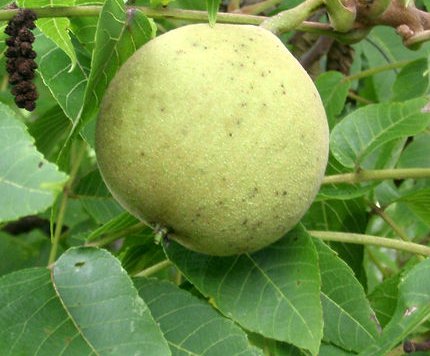
Black Walnuts are Beautiful Fruit Bearing Plants that will add spectacular beauty to any home or garden
Juglone Impact on Nearby Plant Growth
When cultivating walnut trees in pots, it’s essential to understand the effects of juglone, a chemical released by these trees that can inhibit the growth of nearby plants. This section explores how juglone affects the surrounding garden ecosystem, particularly in urban settings like Philadelphia, where space and plant compatibility are crucial for successful gardening.
Walnut trees produce juglone, a compound that can inhibit the growth of certain plants nearby. Ensure your tree is placed away from other sensitive plants to avoid negative effects.
Nut Production and Harvesting Techniques
Growing walnut trees in pots can be a rewarding endeavor, especially in urban settings like Philadelphia. Understanding nut production and the best harvesting techniques is crucial for maximizing yield and ensuring healthy trees. This section provides practical insights into nurturing your potted walnut trees for optimal growth and successful harvests.
Once your walnut tree matures, monitoring for nut production is essential. Typically, walnut trees start producing nuts in 4-7 years. Here’s how to manage the harvesting process:
Check for Ripeness: Nuts are ready when the outer husk starts to split.
Harvest Carefully: Use gloves to avoid staining from the husks.
Store Properly: Keep harvested nuts in a cool, dry place to maintain freshness.
By following these guidelines, you can successfully grow walnut trees in pots in Philadelphia. With proper care and attention, you will enjoy the benefits of your urban garden.
