

Growing walnut trees in a pot in Nebraska requires careful attention to wind protection and soil conditions. Proper care ensures healthy growth and a fruitful harvest, even in challenging climates.
Best Walnut Varieties for Container Growth
When growing walnut trees in pots, selecting the right variety is crucial for success, especially in Nebraska’s unique climate. Certain walnut types are better suited for container growth, offering resilience against wind and other environmental factors. Understanding these varieties will help ensure healthy growth and fruitful yields in your home garden.
Selecting the right walnut tree variety is crucial for container growth. Some varieties adapt better to pot culture and Nebraska’s climate. Consider these options:
English Walnut: This variety is known for its high-quality nuts and adaptability to pot growth. It thrives in well-drained soil and requires ample sunlight.
Black Walnut: While less common in pots, it can be grown with proper care. It produces a strong, flavorful nut but requires more space.
Hybrid Varieties: These often combine traits from both English and Black walnuts, offering disease resistance and better yields.
Choose a variety that aligns with your gardening goals and local climate.
Potting Soil Preparation for Walnut Trees
Preparing the right potting soil is crucial for the successful growth of walnut trees in Nebraska’s unique climate. The soil must provide adequate drainage and nutrients to support the tree’s development while also accommodating its root system. Understanding the specific requirements for potting soil will help ensure healthy growth and resilience against local environmental challenges.
The potting soil you use significantly affects the health of your walnut tree. A well-draining mix is essential to prevent root rot. Follow these steps to prepare your soil:
Select a Quality Potting Mix: Use a mix designed for trees or large plants. Look for one that includes perlite or vermiculite for drainage.
Add Organic Matter: Incorporate compost or well-rotted manure to enrich the soil.
Test pH Levels: Aim for a pH between 6.0 and 7.
Adjust with lime or sulfur as needed.
| Component | Purpose |
|---|---|
| Potting Mix | Provides structure and drainage |
| Organic Matter | Adds nutrients |
| pH Adjusters | Maintains optimal acidity |
Wind Protection Strategies for Young Walnut Trees
Growing walnut trees in pots can be rewarding, but young trees are particularly vulnerable to Nebraska’s strong winds. Implementing effective wind protection strategies is crucial for their survival and growth. This section outlines practical methods to shield your young walnut trees from harsh gusts while ensuring they thrive in their container environment.
Wind can severely damage young walnut trees, especially in Nebraska’s open landscapes. Implement these protective measures:
Choose a Windbreak: Position your pot near a natural windbreak like a fence or shrubs. This reduces wind exposure.
Use a Sturdy Pot: Select a heavy pot to prevent tipping. Consider materials like ceramic or concrete.
Stake the Tree: For added stability, stake the tree until it establishes strong roots. Use soft ties to avoid damaging the trunk.
Monitor wind conditions regularly to adjust your protective measures as needed.
Recommended Products
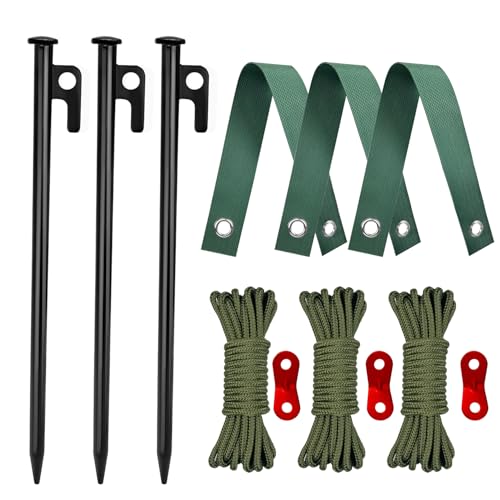
【Value Package】Package comes with 3pcs tree stakes,3pcs tree straps for staking and 3pcs ropes (each 13ft) with 3pcs aluminium tensioners. Complete tree stake kit enable your saplings to grow straight and healthy even in windy conditions

Perfect Tree Staking Kit: Our tree stake straight kits set includes 3 PCS tree strap ties for staking, 3 PCS steel tree stakes, and a 31.2 feet length rope for anchoring. Detailed instructions are included in the product packaging. This is a complete kit that you don't need to buy any other related accessories.

Protect Young Trees from Bad Weather: Tree stake kits are typically used when planting young trees, particularly those with small or shallow root systems, in order to provide support and promote healthy growth. Young trees are more susceptible to wind damage than mature trees, FCENDS tree stake kit can help to support the tree and prevent it from leaning or tipping over in high winds.
Container Walnut Tree Watering Guidelines
Successfully growing walnut trees in pots requires careful attention to their watering needs, especially in Nebraska’s variable climate. Proper watering not only supports healthy growth but also helps mitigate the effects of wind, which can be particularly challenging for container plants. Understanding these guidelines will ensure your walnut trees thrive despite the elements.
Proper watering is vital for container-grown walnut trees. Too much or too little water can lead to stress. Follow these guidelines:
Check Soil Moisture: Insert your finger about an inch into the soil. Water only if it feels dry.
Water Deeply: When watering, ensure the entire root ball receives moisture. This encourages deep root growth.
Adjust for Seasons: Reduce watering in the fall and winter months when the tree is dormant.
| Season | Watering Frequency |
|---|---|
| Spring | Weekly |
| Summer | Twice weekly |
| Fall | Every two weeks |
| Winter | Monthly |
Recommended Products

[10-Gallon Water Capacity]: Holds a substantial volume of water to support consistent root zone moisture

🏆 WORLD'S FIRST AUTOMATIC WATERERS since 1998 (patented) - Solves #1 Problem: Keeps Tree Watered and Alive. Affordable | Reliable | Simple | Proven

4-Hole Side Design: This high-performance tree watering spike makes it easy to deliver water and fertilizer directly to the root zone. The upgraded side-hole design helps improve watering efficiency, while the sharp tip makes it easy to push into hard or compact soil. The 4 side outlets help reduce clogging and distribute water more evenly for deep root watering and feeding.
Nutrient Requirements for Potted Walnut Trees
Growing walnut trees in pots requires careful attention to their nutrient needs, especially in Nebraska’s unique climate. Understanding the specific macronutrients and micronutrients essential for these trees will help ensure healthy growth and robust yields. This section delves into the key nutrients that potted walnut trees require to thrive.
Fertilizing your walnut tree is essential for optimal growth. A balanced approach ensures the tree receives necessary nutrients. Consider these steps:
Use a Slow-Release Fertilizer: Apply a formula high in nitrogen in early spring to support growth.
Follow Package Instructions: Adhere to recommended application rates to avoid over-fertilization.
Monitor Growth: Adjust fertilization based on tree health and growth patterns.
Regularly check for signs of nutrient deficiency, such as yellowing leaves or stunted growth.
Pest and Disease Monitoring for Walnuts
Monitoring for pests and diseases is crucial for the successful growth of walnut trees in pots, especially in Nebraska’s unique climate. By staying vigilant and understanding the common threats, you can protect your trees and ensure they thrive despite environmental challenges. This section will outline key indicators to watch for and effective management strategies.
Container-grown walnut trees can be susceptible to various pests and diseases. Regular monitoring is essential for early detection. Be vigilant for these common issues:
Walnut Aphids: These pests can weaken the tree. Use insecticidal soap for control.
Leaf Blight: This fungal disease affects foliage. Ensure good air circulation and remove affected leaves.
Root Rot: Caused by overwatering, it can be fatal. Ensure proper drainage and adjust watering practices.
Inspect your tree weekly to catch problems early and maintain its health.
Ongoing Care for Potted Walnut Trees
Caring for potted walnut trees in Nebraska requires ongoing attention to ensure their health and growth. This section will explore essential maintenance practices, including watering, fertilization, and protection from environmental stressors, particularly the strong winds that can affect young trees. Understanding these care strategies will help you cultivate thriving walnut trees in a pot.
Growing walnut trees in pots requires ongoing attention. Regularly assess your tree’s needs and adjust care practices accordingly.
Ensure your pot has adequate drainage to prevent root rot.
