

Growing papaya trees in pots in Delaware is feasible with the right care and conditions. These tropical plants can thrive in containers if you manage temperature, sunlight, and watering effectively.
Choosing Containers for Pot-Grown Papaya Trees
Choosing the appropriate container is crucial for successful papaya cultivation. A pot that is at least 18-24 inches in diameter and has good drainage will support healthy root growth. Consider materials like terracotta or plastic, which are lightweight and retain moisture well. Ensure the pot has drainage holes to prevent root rot.
Recommended Products

High Quality: 50PCS Tall Tree plant Pots Made from quality plastic material,which is lightweight and reusable. extra high and thick, strong. perfect size for indoor outdoor plants,vegetables and fruits etc.
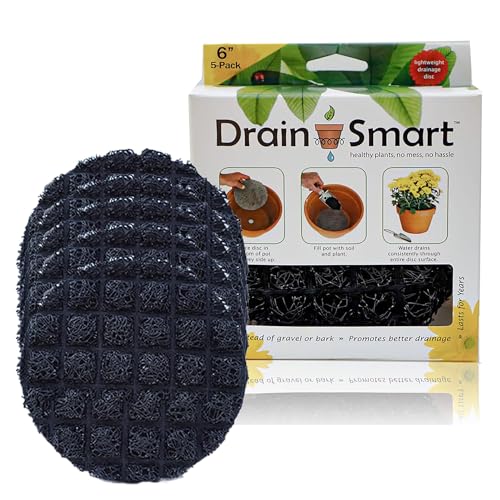
MADE IN THE USA — BUILT TO LAST - Drain Smart drainage discs are proudly made in the USA using a rigid 3D mesh design intended for long-term use. No flimsy imports, no cracking, no collapsing.
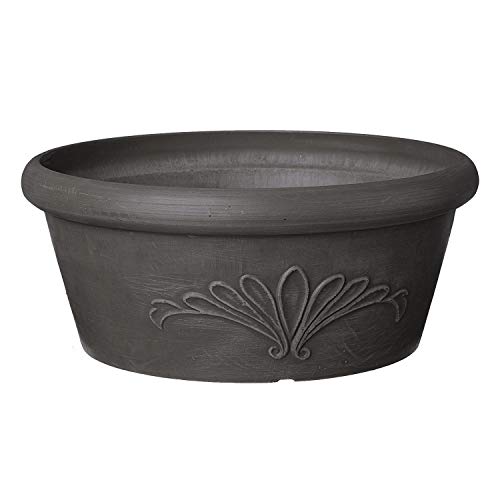
Made with Recycled Materials: A blend of recycled plastic, stone powder, and wood dust, PSW Pots are eye-catching and long-lasting for mindful gardening.
Optimal Pot Sizes for Papaya Trees
Choosing the right pot size is crucial for the healthy growth of papaya trees, especially in small spaces like those often found in Delaware. This section will explore the optimal pot sizes that provide adequate room for root development while ensuring proper drainage and nutrient retention, allowing your papaya trees to thrive in a limited environment.
| Pot Size | Diameter | Depth | Recommended for |
|---|---|---|---|
| Small | 18 inches | 15 inches | Young papaya trees |
| Medium | 24 inches | 18 inches | Mature papaya trees |
| Large | 30 inches | 24 inches | Multiple trees or larger growth |
Best Soil Blend for Potted Papaya Trees
The right soil mix is essential for papaya trees to flourish. A well-draining, nutrient-rich soil will support the tree’s growth and fruit production. A blend of potting soil, compost, and perlite or sand can provide the necessary aeration and nutrients.
Potting Soil Mix for Papaya Trees
Choosing the right potting soil mix is crucial for the health and growth of papaya trees in pots, especially in Delaware’s unique climate. The right blend provides essential nutrients, drainage, and aeration, ensuring that these tropical plants thrive even in small spaces. Understanding the specific requirements for potting soil will help you cultivate healthy papaya trees in your garden.
Potting Soil: Provides a base for nutrients.
Compost: Adds organic matter and enhances soil fertility.
Perlite or Sand: Improves drainage and aeration.
Optimal Sunlight and Temperature for Papayas
Papaya trees require warm temperatures and plenty of sunlight. In Delaware, it’s essential to place the pot in a location that receives at least 6-8 hours of direct sunlight daily. During colder months, consider bringing the pot indoors or using a greenhouse to maintain optimal temperatures.
Ideal Temperature Ranges for Papaya Trees
Understanding the ideal temperature ranges for papaya trees is crucial for successful cultivation, especially in Delaware’s unique climate. These tropical plants thrive in specific conditions that can be challenging to maintain in pots. Knowing the temperature requirements will help ensure healthy growth and fruit production in small spaces.
| Season | Ideal Temperature Range |
|---|---|
| Spring | 70-85°F |
| Summer | 75-90°F |
| Fall | 60-75°F |
| Winter | 50-65°F |
Papaya Tree Care: Watering and Fertilizing
Caring for papaya trees in pots requires attention to their specific watering and fertilizing needs, especially in Delaware’s climate. Proper moisture levels and nutrient-rich soil are essential for healthy growth and fruit production. This section provides essential guidelines to help you maintain vibrant and productive papaya trees in small spaces.
Proper watering and fertilizing are vital for healthy papaya trees. Water the trees deeply but infrequently, allowing the soil to dry out slightly between waterings. Fertilize every 4-6 weeks during the growing season with a balanced fertilizer.
Pot Watering Frequency for Delaware Papayas
Understanding the watering frequency for potted papaya trees in Delaware is crucial for their growth and health. Given the region’s unique climate and seasonal variations, proper hydration practices can significantly impact the success of cultivating these tropical plants in small spaces. This section delves into the specific watering needs tailored to Delaware’s conditions.
Frequency: Every 1-2 weeks, depending on rainfall.
Amount: Ensure the pot drains well after watering.
Balanced Fertilizer Guidelines for Potted Papayas
When cultivating papaya trees in pots, especially in Delaware’s unique climate, understanding the right fertilization is crucial for healthy growth. Balanced fertilizer guidelines can help ensure that your potted papayas receive the essential nutrients they need to thrive, even in limited space. This section outlines effective fertilization strategies tailored for small-space gardening.
Type: Use a balanced fertilizer with equal parts nitrogen, phosphorus, and potassium.
Application: Follow package instructions for dosage.
Pest Control for Potted Papaya Trees
Pests and diseases can threaten papaya trees, especially in container settings. Monitor for common pests like aphids and spider mites. Use insecticidal soap or neem oil as a preventative measure. Regularly check for signs of disease, such as yellowing leaves or mold.
Recommended Products
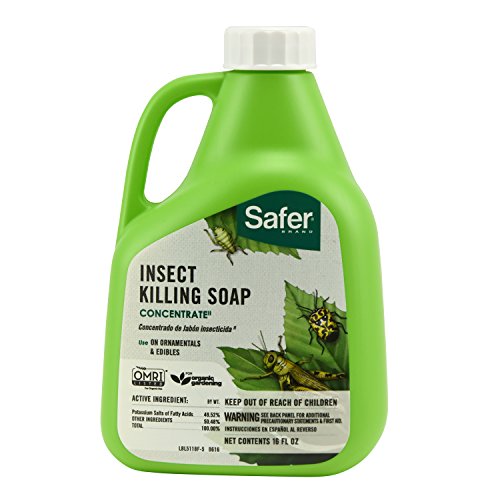
GENTLE ON MOST PLANTS - This aphid spray is ideal for use on flowers, herbs, vegetables, houseplants, lawn, tree, shrubs, and more

CROP, GARDEN & HOUSEPLANT INSECT CONTROL. Trifecta Crop Control all-natural, plant-based formula effectively combats destructive spider mites, aphids, whiteflies, fungus gnats, and other soft-bodied pests on indoor and outdoor plants. Our biodegradable, eco-friendly solution is safe for use on edible crops, without chemical residues. Our gentle yet potent plant spray suffocates and dehydrates pests without harming beneficial insects or the environment, making it ideal for organic gardening.

KILLS AND REPELS INSECTS - Knockdown common insects including spider mites, aphids, whiteflies, mealybugs, leafrollers, scale, thrips, cucumber beetle, carrot rust fly, earwig, tomato hornworm, Colorado potato beetle with a safe and effective all-purpose plant care solution.
Pest Management for Potted Papaya Trees
Potted papaya trees can thrive in Delaware’s unique climate, but they are susceptible to various pests. Effective pest management is crucial to ensure healthy growth and fruit production. Understanding common pests and implementing preventive measures will help maintain the vitality of your papaya trees in small spaces.
Aphids: Small, green insects that suck sap.
Spider Mites: Tiny pests that create webbing on leaves.
Airflow Strategies for Healthy Papaya Trees
Proper airflow is essential for the health of papaya trees grown in pots, especially in Delaware’s unique climate. Implementing effective airflow strategies can help prevent diseases and promote robust growth. Understanding how to optimize air circulation around your potted papayas will ensure they thrive in limited space.
Air Circulation: Ensure good airflow around the plant.
Cleanliness: Remove fallen leaves and debris from the pot.
Potted Papaya Harvesting Techniques
Successfully harvesting papayas from potted trees requires specific techniques tailored to small spaces. In Delaware’s unique climate, understanding the right methods for pruning, pollination, and pest management is essential for maximizing fruit yield. This section will explore effective strategies to ensure a bountiful harvest from your potted papaya trees.
Harvesting papayas from potted trees can be rewarding. Once the fruit turns from green to yellow, it is ready for picking. Handle the fruit gently to avoid bruising.
Ripening and Harvesting Papaya Tips
Growing papaya trees in pots can be a rewarding endeavor, especially in Delaware’s unique climate. Understanding the ripening and harvesting process is crucial for maximizing your yield and ensuring the fruit reaches its full flavor potential. Here are essential tips to help you successfully harvest your papayas at the right time.
Timing: Check daily during the ripening period.
Technique: Use pruning shears to cut the fruit from the stem.
Successful Papaya Cultivation in Delaware Pots
Growing papaya trees in pots can be a rewarding endeavor for Delaware gardeners, even in limited spaces. With the right techniques and attention to local climate conditions, you can cultivate healthy papayas that thrive in containers. This section explores the best practices for successful papaya cultivation in pots, tailored specifically for the unique challenges of Delaware’s environment.
Growing papaya trees in pots in Delaware is achievable with careful attention to pot selection, soil quality, and environmental conditions. Following these guidelines will enhance your chances of a fruitful harvest.
