

Growing walnut trees in pots in Arkansas can be a rewarding endeavor if done correctly. Proper selection of pot size, soil type, and care practices are essential for successful growth and fruit production.
Choose the Right Pot for Walnut Trees
Selecting the appropriate pot for walnut trees is crucial for their growth and overall health, especially in Arkansas’s unique climate. The right pot not only supports the tree’s root system but also ensures adequate drainage and stability. Understanding the specific requirements will help you create an optimal environment for your walnut trees to thrive.
Selecting the appropriate pot is crucial for the health of walnut trees. A large, sturdy pot allows roots to expand and absorb nutrients effectively. Consider the following factors when choosing a pot:
Size: A minimum of 20 gallons is recommended for young walnut trees.
Material: Opt for durable materials like ceramic or heavy-duty plastic to withstand Arkansas weather.
Drainage: Ensure the pot has adequate drainage holes to prevent root rot.
| Pot Size | Recommended Age | Growth Potential |
|---|---|---|
| 20 gallons | 1-2 years | Moderate |
| 30 gallons | 3-4 years | High |
| 50 gallons | 5+ years | Very High |
Use Quality Soil for Optimal Growth
Choosing the right soil is crucial for the success of walnut trees grown in pots in Arkansas. Quality soil not only provides essential nutrients but also ensures proper drainage and aeration, which are vital for healthy root development. Understanding the specific soil requirements can significantly enhance the growth and productivity of your walnut trees.
The right soil mix is vital for the development of walnut trees in pots. A well-draining, nutrient-rich soil promotes healthy root systems. Consider using a combination of the following:
Potting mix: Look for a high-quality, organic potting mix.
Perlite or vermiculite: These materials improve aeration and drainage.
Compost: Adding compost enriches the soil with essential nutrients.
Potting Mix and Soil Blend Techniques
Selecting the right potting mix and soil blend is crucial for the health and growth of walnut trees in pots, especially in Arkansas’s unique climate. This section explores effective techniques to create an optimal growing environment, ensuring your walnut trees thrive while providing essential nutrients and drainage. Understanding these strategies will help you cultivate robust and productive trees.
Combine potting mix, perlite, and compost in a large container.
Mix thoroughly to ensure even distribution of materials.
Fill the pot, leaving about an inch of space at the top for watering.
Effective Watering Practices for Potted Walnuts
Proper watering is crucial for the health of potted walnut trees in Arkansas, where climate conditions can vary significantly. Understanding the specific needs of these trees will help ensure they thrive in containers. This section outlines effective watering practices tailored to support the growth and vitality of walnut trees in a pot.
Proper watering practices are essential for the health of walnut trees in pots. Overwatering can lead to root rot, while underwatering can stunt growth. Follow these guidelines for effective watering:
Frequency: Water deeply once a week during dry spells.
Check moisture: Insert a finger into the soil; if it feels dry an inch down, it’s time to water.
Drainage: Ensure excess water can escape to avoid standing water.
Recommended Products

[10-Gallon Water Capacity] Holds a substantial volume of water to support consistent root zone moisture.
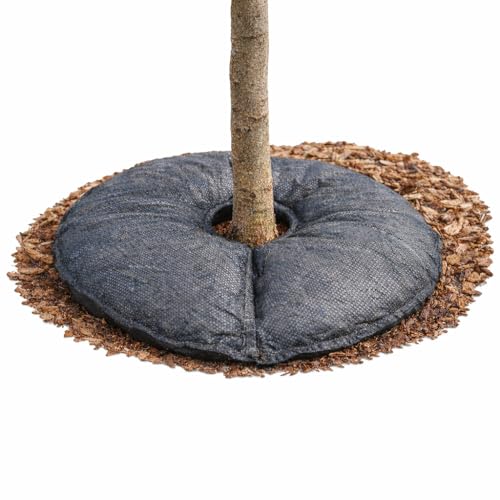
For Plants and Trees that with root balls about 12” in dia., (11-15”, e.g. 3-10 Gallon Container Sizes have top diameters between 11-15”) - Uses 99% LESS WATER than traditional tree bag over the course of multiple seasons for better establishment of the newly planted trees and shrubs! When the plant root ball is larger than 15”, the 36”, 48”, or multiple units of these larger sized SteadySpring Tree Mats are recommended to cover an area double of the root ball size or at least 20” larger than the root ball.

✔️ 20Gallon Tree Watering Ring, 33% More Capacity than Market 15Gallon.Tree bags for watering typically can slow release water approximately 6 to 8 hours, water release times may vary depending on certain factors, such as: ground surface, soil types, weather conditions, tree types and size, etc.
Pot Watering Schedule for Arkansas Walnut Trees
Proper watering is crucial for the health and growth of walnut trees in pots, especially in Arkansas’s unique climate. Understanding the specific watering schedule tailored to local conditions can significantly enhance the success of your potted walnut trees. This section outlines effective strategies to ensure your trees receive the right amount of moisture throughout the growing season.
| Day | Action |
|---|---|
| Monday | Water deeply if dry |
| Wednesday | Check soil moisture |
| Friday | Water if needed |
Fertilization Techniques for Pot-Grown Walnuts
Fertilizing pot-grown walnut trees in Arkansas requires a tailored approach to ensure healthy growth and optimal nut production. Understanding the specific nutrient needs of these trees and the best application methods can significantly impact their development. This section explores effective fertilization techniques to support thriving walnut trees in containers.
Regular fertilization supports growth and fruit production in walnut trees. Choose a balanced fertilizer specifically formulated for fruit trees. Consider the following:
Timing: Fertilize in early spring before new growth begins.
Type: Use a slow-release fertilizer to provide nutrients over time.
Application: Follow the manufacturer’s instructions for dosage.
Fertilizer Application for Potted Walnuts
Fertilizing potted walnut trees is crucial for their growth and fruit production, especially in Arkansas’s unique climate. Understanding the right type and timing of fertilizer application can significantly enhance the health and yield of these trees. This section will provide practical strategies to ensure your potted walnuts thrive with optimal nutrient support.
Measure the appropriate amount of fertilizer based on pot size.
Sprinkle the fertilizer evenly on the soil surface.
Water thoroughly to activate the fertilizer.
Pest Control for Potted Walnut Trees
Potted walnut trees can thrive in Arkansas, but they are susceptible to various pests that can hinder their growth. Effective pest control is essential to maintain the health and productivity of these trees. Understanding common pests and implementing targeted strategies will help ensure your walnut trees flourish in their containers.
Walnut trees are susceptible to various pests and diseases. Regular monitoring can prevent severe infestations. Focus on these common issues:
Walnut husk fly: Inspect leaves for larvae and apply organic insecticides if found.
Powdery mildew: Ensure good air circulation and apply fungicides if necessary.
Root rot: Avoid overwatering and ensure proper drainage to prevent this condition.
Pest and Disease Inspection Guidelines
Maintaining the health of walnut trees in pots requires vigilance against pests and diseases, especially in Arkansas’s unique climate. Regular inspection is essential to identify potential threats early, ensuring that these trees thrive in their container environment. The following guidelines will help you effectively monitor and manage any issues that may arise.
Inspect trees weekly for signs of pests or disease.
Remove any affected leaves or branches immediately.
Maintain cleanliness around the pot to deter pests.
Seasonal Walnut Tree Care Strategies
Caring for walnut trees in pots requires a keen understanding of seasonal changes, especially in Arkansas’s varied climate. Each season presents unique challenges and opportunities for growth, making it essential to adapt your care strategies accordingly. This section outlines effective approaches to ensure your walnut trees thrive throughout the year.
Seasonal changes require adjustments in care for walnut trees in pots. Each season presents unique challenges and opportunities for growth.
Spring: Focus on fertilization and watering as new growth appears.
Summer: Monitor for pests and ensure adequate moisture during hot months.
Fall: Prepare for dormancy by reducing watering and applying mulch.
Winter: Protect pots from freezing temperatures by moving them to sheltered areas.
Pot Care Tasks by Season
Caring for walnut trees in pots requires attention to seasonal changes, especially in Arkansas’s varied climate. Each season presents unique challenges and opportunities for growth, making it essential to adapt care routines accordingly. Understanding these seasonal tasks will help ensure your potted walnut trees thrive year-round.
| Season | Action |
|---|---|
| Spring | Fertilize and water |
| Summer | Monitor pests and moisture |
| Fall | Reduce watering and mulch |
| Winter | Move pots to shelter |
Successful Care Techniques for Potted Walnuts
Growing walnut trees in pots in Arkansas requires careful planning and execution. By selecting the right pot, using quality soil, and following proper care techniques, you can successfully cultivate these trees. Regular monitoring for pests and seasonal adjustments will ensure your walnut trees thrive.
