

Growing papaya trees in a pot in Arizona requires careful attention to the desert heat and soil conditions. Selecting the right variety and potting mix ensures healthy growth and fruit production despite the challenging climate.
Choosing Papaya Varieties for Arizona Containers
Selecting the right papaya variety is crucial for successful container gardening in Arizona’s challenging desert climate. Some varieties thrive better than others in high temperatures and limited moisture, making it essential to choose those that can withstand the heat while still producing delicious fruit. Understanding these options will help ensure a fruitful papaya-growing experience in pots.
Choosing the correct papaya variety is crucial for success in Arizona’s desert climate. Some varieties are better suited for container growth and can withstand higher temperatures. Look for these characteristics in your selection:
Dwarf Varieties: These grow well in pots and are easier to manage.
Hybrid Varieties: Often more resilient to pests and diseases.
Local Adaptations: Seek out varieties known to thrive in similar climates.
Recommended Products

Compact growth habit makes it suitable for small gardens, balconies, or large containers, allowing for efficient space utilization.

Fragrant Flowers: Bloom blossoms that provide precious nectar for pollinators like bees, creating your own romantic orchard with heavy fruit and rich flavor

Best Papaya Varieties for Container Growth
Choosing the right papaya variety is crucial for successful container growth in Arizona’s desert heat. Certain types are better suited for pot cultivation, offering resilience against high temperatures and limited space. This section explores the best papaya varieties that thrive in containers, ensuring a fruitful harvest even in challenging conditions.
| Variety Name | Characteristics | Ideal Pot Size |
|---|---|---|
| Red Lady | Sweet, large fruits | 15-20 gallons |
| Hawaiian | Fast-growing, high yield | 10-15 gallons |
| Solo | Compact, good for small spaces | 5-10 gallons |
Pot and Soil Preparation for Papayas
Preparing the right pot and soil is crucial for successfully growing papaya trees in Arizona’s desert heat. The combination of appropriate container size and well-draining soil will help ensure that these tropical plants thrive despite the challenging climate. This section outlines the essential steps for creating an optimal growing environment for your papayas.
Proper preparation of the pot and soil is essential for healthy papaya growth. A well-draining mix prevents root rot and allows for adequate moisture retention. Consider the following steps:
Choose a Pot: Select a container with drainage holes.
Use Quality Soil: A mix of potting soil, sand, and compost works well.
Add Fertilizer: Incorporate slow-release fertilizer to promote growth.
Optimal Soil Mix for Papaya Pots
Selecting the right soil mix is crucial for the successful growth of papaya trees in pots, especially in Arizona’s challenging desert climate. The ideal blend not only supports healthy root development but also ensures proper drainage and moisture retention, allowing these tropical plants to thrive despite the intense heat. Understanding the components of an optimal soil mix will set the foundation for robust papaya growth.
| Component | Ratio | Purpose |
|---|---|---|
| Potting Soil | 50% | Base for nutrients |
| Sand | 25% | Improves drainage |
| Compost | 25% | Adds organic matter |
Optimal Watering Techniques for Papayas in Arizona
Proper watering is crucial for the success of papaya trees in Arizona’s harsh desert climate. Understanding the specific needs of these tropical plants can help ensure they thrive despite the intense heat and arid conditions. This section will explore the best watering techniques to promote healthy growth and fruit production for potted papaya trees.
Watering papaya trees requires a balance to ensure they receive enough moisture without becoming waterlogged. The desert heat can quickly dry out the soil, so adjust your watering schedule accordingly.
Frequency: Water every 2-3 days in peak summer.
Method: Water deeply to encourage root growth.
Signs of Stress: Yellowing leaves indicate over or underwatering.
Recommended Products
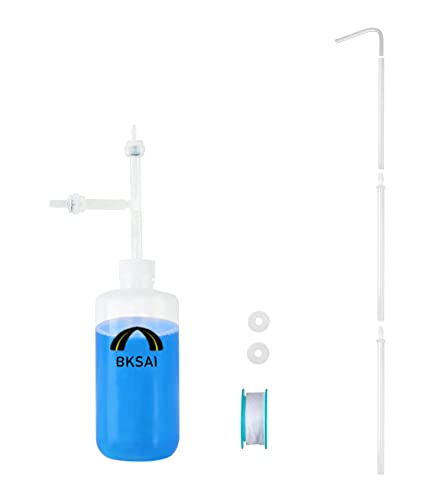
Gives a good idea to simplify overhead plants watering indoor and outdoor - No more taking plants down, or climbing a ladder, or getting out a footstool to water overhead house plants, gives you extra height max till 32.5inch, prevents effectively falling while plants watering

Built tough for big watering jobs: This watering can has thickened PP resin walls to resist crushing and bending; 2 gallon capacity waters multiple plants and saves refills in heat; ideal for gardens, patios and large indoor pots with frequent refills

WHAT A BEAUTIFUL GARDEN YOU HAVE: Watering can features an extra-long spout that makes it easy to water plants. One-piece construction that reduces the risk of leaks. Watering can for outdoor plants is sweet, sleek, and attractive in all the right ways to make your garden happy.
Papaya Tree Watering Guidelines for Arizona
Proper watering is crucial for the successful growth of papaya trees in Arizona’s desert climate. Given the intense heat and varying humidity levels, understanding the specific watering needs can significantly impact the health and productivity of your potted papaya. This section outlines essential guidelines to ensure your trees thrive despite the challenging conditions.
| Season | Frequency | Method |
|---|---|---|
| Spring | Every 3 days | Deep soak |
| Summer | Every 2 days | Deep soak |
| Fall | Every 4 days | Light soak |
Heat Stress Mitigation for Papaya Trees
In the challenging climate of Arizona, mitigating heat stress is crucial for the successful growth of papaya trees in pots. Understanding the specific needs of these tropical plants can help gardeners implement effective strategies to protect them from extreme temperatures, ensuring healthy development and fruitful yields. This section explores practical methods to manage heat stress and maintain optimal conditions for papayas.
Desert temperatures can soar, putting papaya trees at risk. Implementing protective measures helps mitigate heat stress. Consider these strategies:
Shade Cloth: Use to shield plants during the hottest part of the day.
Mulching: Apply organic mulch to retain soil moisture.
Positioning: Place pots in a location with afternoon shade.
Papaya Heat Protection Techniques
In the intense heat of Arizona, protecting papaya trees from extreme temperatures is crucial for their survival and productivity. This section explores effective techniques to shield these tropical plants from the harsh desert sun, ensuring they thrive in pots despite the challenging climate. By implementing these strategies, gardeners can enjoy healthy papaya trees even in the arid environment.
| Strategy | Description | Benefits |
|---|---|---|
| Shade Cloth | Lightweight fabric covering | Reduces direct sunlight |
| Organic Mulch | Layer of straw or wood chips | Maintains moisture |
| Strategic Placement | Positioning pots under trees | Natural shade |
Nutrient Strategies for Potted Papayas
To successfully cultivate papaya trees in pots under Arizona’s intense desert heat, understanding their nutrient needs is essential. This section explores effective strategies for providing the right balance of nutrients, ensuring robust growth and fruit production while adapting to the unique challenges posed by the arid environment.
Regular fertilization is necessary to support the growth of papaya trees in pots. Nutrient-rich soil promotes healthy foliage and fruit development. Follow these guidelines:
Frequency: Fertilize every 4-6 weeks during the growing season.
Type: Use a balanced fertilizer with equal parts nitrogen, phosphorus, and potassium.
Application: Follow package instructions for dosage.
Papaya Fertilization for Desert Conditions
Fertilizing papaya trees in Arizona’s desert climate requires careful consideration to ensure healthy growth and fruit production. The unique challenges of high temperatures and arid conditions necessitate specific nutrient strategies to support these tropical plants. Understanding the right fertilizers and application methods can significantly enhance the success of growing papayas in pots.
| Month | Fertilizer Type | Application Method |
|---|---|---|
| March | Balanced | Mix into soil |
| May | High Potassium | Top-dress |
| July | Balanced | Mix into soil |
Pest and Disease Inspection Techniques
Proper pest and disease inspection is crucial for the health of papaya trees grown in pots, especially in the challenging Arizona climate. This section outlines effective techniques to identify and manage potential threats, ensuring your papaya trees thrive despite the desert heat. Understanding these methods will help you maintain vibrant and productive plants throughout their growing season.
Regularly inspect papaya trees for signs of pests and diseases. Early detection can prevent serious damage. Common issues include:
Aphids: Small insects that suck sap.
Powdery Mildew: Fungal disease that appears as white spots.
Root Rot: Caused by overwatering.
Pest Management Strategies for Papaya
Managing pests is crucial for the health of papaya trees, especially in the challenging conditions of Arizona’s desert climate. Effective pest control strategies can help protect these tropical plants from common threats, ensuring they thrive despite the heat. Understanding the specific pests that target papayas and implementing targeted management techniques will enhance their growth and fruit production.
| Issue | Control Method | Prevention |
|---|---|---|
| Aphids | Insecticidal soap | Regular inspections |
| Powdery Mildew | Neem oil spray | Good air circulation |
| Root Rot | Adjust watering | Well-draining soil |
Successful Papaya Cultivation in Arizona Pots
Growing papaya trees in pots offers a unique opportunity for Arizona gardeners to enjoy this tropical fruit despite the desert’s challenging climate. By selecting the right varieties and implementing effective care strategies, you can cultivate healthy papaya plants that thrive in pots, adapting to the region’s intense heat and arid conditions.
Growing papaya trees in pots in Arizona is feasible with the right preparation and care. Monitor environmental conditions and adjust practices as needed. Regular maintenance leads to fruitful harvests.
