

Growing orange trees in pots in Minnesota requires careful planning and specific techniques to survive harsh northern winters. With proper care, these trees can thrive indoors or in a protected outdoor environment, ensuring a fruitful harvest despite the cold climate.
Best Orange Tree Varieties for Cold Climates
Selecting the right orange tree variety is crucial for successful cultivation in Minnesota’s cold climate. Some varieties are better equipped to withstand lower temperatures while still producing flavorful fruit. Understanding these options can help gardeners make informed choices for their potted orange trees, ensuring they thrive despite harsh winters.
Choosing the right orange tree variety is crucial for successful growth in Minnesota. Some varieties are more resilient to cold and can adapt better to pot cultivation. Look for dwarf varieties that are suitable for container growth, such as:
Calamondin: A small, tart fruit that can tolerate cooler temperatures.
Trovita: Known for its sweet fruit and compact size.
Kumquat: Hardy and can survive in lower temperatures.
These varieties not only fit well in pots but also offer a chance for successful fruiting in a northern climate.
Recommended Products

For sale are 2 satsuma mandarin trees that are approximately 2-5" tall and shipped TOGETHER in a ***SINGLE*** pot

For sale is one Sastuma Mandarin seedling that is approximately 2 to 5 inches tall and shipped in a pot

Winter Care Strategies for Potted Orange Trees
Caring for potted orange trees in Minnesota during the harsh winter months requires specific strategies to ensure their survival. As temperatures drop, these trees need protection from frost and proper maintenance to thrive despite the cold. Understanding the right techniques can help you keep your orange trees healthy and fruitful throughout the winter season.
Preparing your orange trees for winter is essential to prevent frost damage. Here are key steps to ensure their survival:
Choose the Right Pot: Use a pot with good drainage to prevent root rot. Clay pots are ideal as they allow for moisture evaporation.
Location Matters: Place your pots in a sheltered area, such as a garage or basement, where temperatures remain above freezing.
Insulate the Roots: Wrap the pot with burlap or bubble wrap to provide extra insulation against the cold.
Proper preparation can significantly enhance the chances of your trees surviving the winter months.
Recommended Products

The medium plant cover is perfect for Plant size 30''-39"high and 52''-62" round, Heavy-weight FRCs (1.77oz./sq. yard): usually used to extend the growing season in spring and fall, allow 40%-60% light transmittance, and recommend 3°-8°F of freeze protection
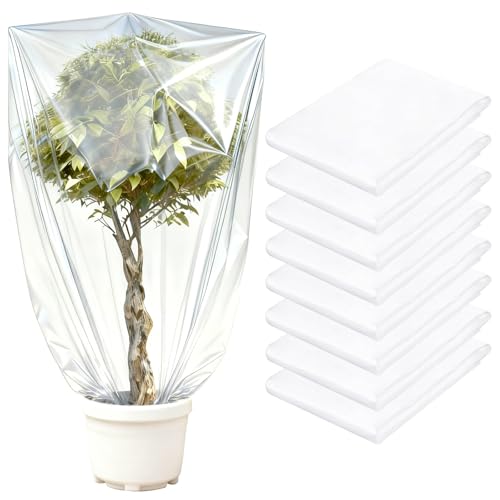
1. Perfect Winter Protection for Delicate Plants Shield your precious shrubs, small citrus trees, rose bushes, and large potted plants from frost, snow, hail, and freezing winds. This 39"x59" cover creates a insulated microclimate, trapping ground heat to effectively prevent frost damage and keep your plants healthy through the cold season.

【PROTECT YOUR PLANTS】 Made of high quality Oxford cloth and aluminum film, this planter protection bag provides excellent protection for your plants from harsh weather conditions such as snow, hail, frost and high winds.
Indoor Care Strategies for Orange Trees
Caring for orange trees indoors in Minnesota requires specific strategies to ensure their survival through harsh winters. With the right techniques, these vibrant trees can thrive despite the cold climate. This section outlines effective indoor care methods to help maintain the health and vitality of your potted orange trees during the winter months.
If you decide to bring your orange trees indoors for the winter, specific care techniques will help them thrive. Focus on these aspects:
Light Requirements: Ensure your trees receive at least 10-12 hours of bright light daily. Consider using grow lights if natural light is insufficient.
Humidity Levels: Indoor air can be dry during winter. Use a humidifier or place a tray of water near the trees to maintain humidity.
Watering Schedule: Water the trees when the top inch of soil feels dry. Overwatering can lead to root rot.
By mastering these indoor care techniques, your trees will remain healthy and productive.
Fertilization Techniques for Potted Orange Trees
Proper fertilization is crucial for the health and productivity of potted orange trees, especially in the challenging climate of Minnesota. Understanding the specific nutrient needs and timing can significantly enhance growth and fruiting, ensuring these trees thrive even during harsh winters. This section will explore effective fertilization techniques tailored for indoor orange cultivation.
Fertilizing your orange trees is crucial for healthy growth and fruit production. Follow these guidelines for effective fertilization:
Use a Balanced Fertilizer: Select a slow-release fertilizer designed for citrus trees. This will provide necessary nutrients over time.
Fertilize During Growing Season: Apply fertilizer in early spring and again in mid-summer for optimal growth.
Monitor Nutrient Levels: Keep an eye on leaf color and growth patterns. Yellowing leaves may indicate a nutrient deficiency.
Proper fertilization can lead to robust trees and a bountiful harvest.
Pest and Disease Management for Orange Trees
Managing pests and diseases is crucial for the health of orange trees grown in pots, especially in Minnesota’s challenging climate. With the right strategies, you can protect your trees from common threats while ensuring they thrive despite the harsh northern winters. Understanding these management techniques will help you maintain vibrant and productive orange trees year-round.
Being aware of potential pests and diseases is essential for maintaining healthy orange trees. Common issues include:
Spider Mites: Look for webbing on leaves. Treat with insecticidal soap or neem oil.
Scale Insects: These appear as small bumps on stems and leaves. Remove them manually or use a horticultural oil.
Root Rot: Caused by overwatering. Ensure proper drainage and adjust your watering schedule.
Addressing these issues promptly can prevent significant damage to your trees.
Recommended Products

PLANT DISEASE CONTROL: Natria Neem Oil acts as an insecticide and fungicide in one convenient spray; Ready-to-use trigger sprayer requires no mixing

Repels Insects, Bugs, Ants, Roaches, Fleas, Palmettos and Silverfish

Plant-Based Pest Protection: Helps protect plants from common pests including gnats, spider mites, aphids, fungus issues, and other plant-damaging insects using plant-based ingredients.
Essential Practices for Potted Orange Trees
Successfully growing orange trees in pots in Minnesota requires careful attention to their unique needs, especially during the harsh northern winters. Implementing essential practices can help ensure your potted trees thrive despite the cold climate, allowing you to enjoy vibrant foliage and potentially even fruit. This section outlines key strategies to maintain the health and vitality of your orange trees year-round.
| Aspect | Best Practice | Frequency |
|---|---|---|
| Pot Selection | Clay pot with drainage | N/A |
| Light | 10-12 hours of bright light | Daily |
| Watering | Water when top inch is dry | Weekly |
| Fertilizing | Use slow-release fertilizer | Spring and summer |
| Pest Management | Inspect regularly | Weekly |
Understanding these aspects of care will help you maintain healthy orange trees in Minnesota, allowing for a successful growing experience despite the challenges posed by the climate.
