

Jujube trees thrive in Seattle’s unique climate with proper rain and soil management. To ensure successful growth, focus on soil drainage and moisture retention strategies tailored for the Pacific Northwest.
Jujube Tree Soil and Rainfall Needs
Understanding the specific soil and rainfall requirements for jujube trees is crucial for successful cultivation in Seattle’s unique climate. This section delves into the ideal soil conditions and moisture levels necessary to support healthy growth, ensuring that gardeners can effectively manage their jujube trees in the Pacific Northwest’s variable weather.
Jujube trees prefer well-draining soil and moderate rainfall. In Seattle, the combination of wet winters and dry summers necessitates careful management of soil conditions.
These trees can tolerate drought but will produce better fruit with consistent moisture. Understanding the specific needs of jujube trees can help optimize their growth and fruit yield.
Recommended Products
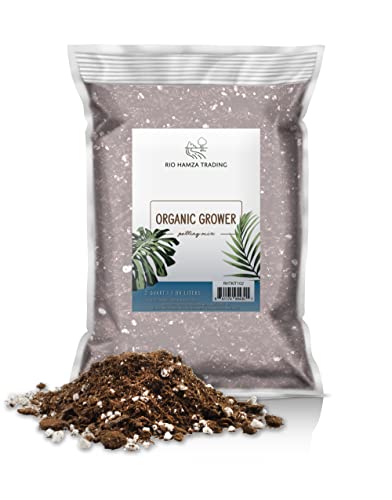
Promotes excellent aeration, drainage, and nutrient retention.

Natural Soil Conditioner for Healthier Plants: Heirloom Worm Castings are a 100% natural soil amendment rich in beneficial nutrients that improve overall soil quality and plant performance
Optimal Soil Types for Jujube Trees
Understanding the optimal soil types for jujube trees is crucial for successful cultivation in Seattle’s unique climate. The Pacific Northwest’s rainfall and soil characteristics can significantly impact growth and fruit production. This section delves into the specific soil conditions that best support jujube trees, ensuring they thrive in the region’s environment.
The right soil composition is crucial for jujube trees. They thrive in sandy loam or loamy soils that provide good drainage. Heavy clay soils can lead to root rot, while overly sandy soils may not retain enough moisture.
Consider the following soil components for optimal growth:
| Soil Component | Ideal Percentage |
|---|---|
| Sand | 40% |
| Silt | 30% |
| Clay | 30% |
Proper soil amendments can improve drainage and moisture retention. Adding organic matter like compost can enhance soil structure and nutrient availability.
Jujube Tree Rainfall Management Techniques
Understanding rainfall management techniques for jujube trees is crucial for successful cultivation in Seattle’s unique climate. The Pacific Northwest’s wet conditions can pose challenges, but with the right strategies, growers can optimize soil health and ensure robust tree growth. This section explores effective methods to manage rainfall and enhance the resilience of jujube trees in this region.
Seattle’s rainfall can be both a blessing and a challenge for jujube trees. While these trees require water, excessive moisture can lead to root problems. Implementing effective rainfall management strategies can mitigate these risks.
Mulch Application: Apply a 2-3 inch layer of organic mulch around the base of the tree. This helps retain moisture and regulate soil temperature.
Drainage Systems: Install drainage tiles or French drains to redirect excess water away from the root zone.
Rain Gardens: Create a rain garden to capture runoff and provide a controlled environment for jujube trees.
Jujube Tree Fertilization Techniques
Effective fertilization is crucial for jujube trees to thrive in Seattle’s unique climate and soil conditions. Understanding the specific nutrient needs and timing for application can significantly enhance growth and fruit production. This section explores various techniques tailored to optimize the health and yield of jujube trees in the Pacific Northwest.
Fertilization plays a significant role in the growth of jujube trees. A balanced fertilizer with a ratio of 10-10-10 can provide essential nutrients. Apply fertilizer in early spring before new growth begins.
Follow these steps for effective fertilization:
Test Soil: Conduct a soil test to determine nutrient levels.
Choose Fertilizer: Select a balanced fertilizer based on soil test results.
Apply Correctly: Spread fertilizer evenly around the tree, avoiding direct contact with the trunk.
PNW Jujube Pest and Disease Control
In the Pacific Northwest, managing pests and diseases is crucial for the successful cultivation of jujube trees. The region’s unique climate and soil conditions present specific challenges that require targeted strategies. Understanding these factors will help ensure healthy growth and fruitful harvests for jujube growers in Seattle and surrounding areas.
Jujube trees can face various pests and diseases, particularly in the Pacific Northwest. Regular monitoring and preventive measures can help maintain tree health.
Common issues include:
Aphids: Treat with insecticidal soap or neem oil.
Root Rot: Ensure proper drainage to prevent this issue.
Powdery Mildew: Improve air circulation and apply fungicides if necessary.
Seasonal Jujube Tree Care Strategies
Caring for jujube trees in Seattle requires a thoughtful approach to seasonal changes and local environmental conditions. With the Pacific Northwest’s unique rain patterns and soil characteristics, understanding the specific care strategies for each season can significantly enhance the health and productivity of these trees. This section outlines effective techniques to ensure robust growth throughout the year.
Seasonal care is essential for maintaining the health of jujube trees. Each season brings unique challenges and opportunities for growth.
| Season | Recommended Action |
|---|---|
| Spring | Fertilize and prune for shape |
| Summer | Monitor for pests and water as needed |
| Fall | Harvest fruit and prepare for winter |
| Winter | Protect roots with mulch and monitor for frost |
Understanding seasonal needs helps ensure that jujube trees remain healthy and productive throughout the year.
Jujube Tree Care Strategies for Seattle
Jujube trees can flourish in Seattle with the right rain and soil management strategies. Focus on soil composition, rainfall management, and seasonal care to maximize growth and fruit production. Regular monitoring for pests and diseases will further enhance tree health.
Implement these practices to ensure your jujube trees thrive in the unique climate of the Pacific Northwest.
