

Tamarind trees can thrive in Mississippi’s climate, offering both aesthetic and culinary benefits. Proper planting and care are essential for successful growth in the Deep South.
Tamarind Tree Benefits for Mississippi Landscapes
Tamarind trees are tropical legumes that produce sweet, tangy pods used in various culinary dishes. They can grow up to 80 feet tall and are known for their dense, shady canopy. In Mississippi, these trees can provide shade and attract wildlife, making them a valuable addition to any landscape. Their adaptability to different soil types and resistance to drought make them suitable for the region.
Recommended Products

Thrives in full sun and warm climates

✅ ABOUT PRODUCT- This package contains New Fresh 100pcs Tamarind Tree Seeds , SEEDS ONLY, no live plants.The photos show are the mature plant in the future, not the actual plant you will receive
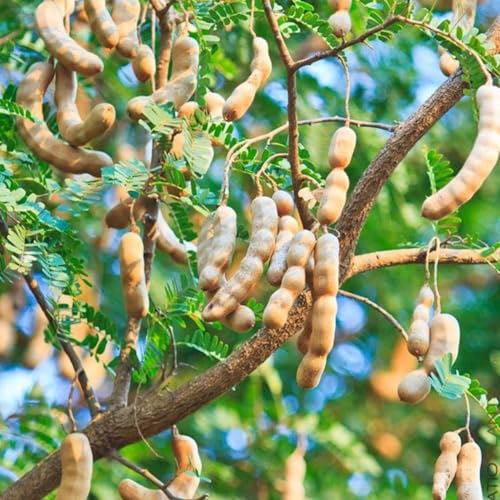
Prefers full sun for optimal growth and canopy development
Tamarind Tree Growth Environment in Mississippi
Tamarind trees prefer well-drained soil with a pH between 6.0 and 7.5. They thrive in full sun, requiring at least six hours of direct sunlight daily. Proper spacing is crucial to allow for their expansive root systems. Here are some specific conditions to consider:
Temperature: Ideal range is 70°F to 95°F.
Humidity: Moderate levels are best; excessive moisture can lead to root rot.
Watering: Regular watering is essential during the first year; reduce frequency as the tree matures.
Optimal Tamarind Tree Planting Techniques
Successfully planting tamarind trees in Mississippi requires an understanding of the local climate and soil conditions. This section outlines the best techniques for ensuring healthy growth, focusing on site selection, soil preparation, and proper planting methods tailored to the unique environment of the Deep South. With the right approach, you can cultivate these tropical trees effectively.
Successful planting requires careful preparation. Start by selecting a location that meets the tree’s sunlight and space requirements. Follow these steps for optimal results:
Choose a Healthy Sapling: Select a sapling that is at least 3 feet tall and free from pests.
Prepare the Soil: Amend the planting area with organic matter to improve drainage.
Dig a Hole: Create a hole twice as wide and deep as the root ball.
Position the Tree: Place the sapling in the center, ensuring the top of the root ball is level with the ground.
Backfill and Water: Fill the hole with soil, then water thoroughly to eliminate air pockets.
Tamarind Tree Care and Maintenance Practices
Caring for tamarind trees in Mississippi requires an understanding of their unique needs and environmental conditions. This section outlines essential practices for maintaining healthy tamarind trees, including watering, pruning, and pest management. By following these guidelines, gardeners can ensure robust growth and fruitful yields in the Deep South.
Ongoing care is vital for the health of your tamarind tree. Regular maintenance tasks include:
Mulching: Apply a 3-inch layer of mulch around the base to retain moisture and suppress weeds.
Fertilizing: Use a balanced fertilizer in early spring to promote growth.
Pruning: Trim dead or crossing branches to improve air circulation and shape the canopy.
| Care Task | Frequency | Best Time |
|---|---|---|
| Watering | Weekly | Spring to Fall |
| Fertilizing | Twice a year | Early Spring, Late Summer |
| Pruning | Annually | Late Winter |
Tamarind Tree Pest and Disease Threats
Tamarind trees, while resilient, can face various pest and disease threats that may hinder their growth and productivity in Mississippi. Understanding these challenges is crucial for successful cultivation in the Deep South, where local conditions can exacerbate issues. This section delves into common pests and diseases affecting tamarind trees and offers insights on prevention and management strategies.
Tamarind trees can face several threats from pests and diseases. Regular monitoring can help catch issues early. Common problems include:
Aphids: These small insects can weaken the tree by sucking sap. Treat with insecticidal soap.
Scale Insects: Look for sticky residue on leaves. Remove by hand or use horticultural oil.
Root Rot: Caused by overwatering. Ensure proper drainage to prevent this issue.
Tamarind Pod Harvesting Techniques
Harvesting tamarind pods requires careful timing and technique to ensure the best quality fruit. In Mississippi’s unique climate, understanding the right methods for collecting and processing these pods can significantly impact both yield and flavor. This section explores effective strategies for harvesting tamarind, tailored specifically for growers in the Deep South.
Once established, tamarind trees will produce pods within 3 to 5 years. Harvesting requires care to avoid damaging the tree. Follow these steps:
Identify Ripe Pods: Look for brown, dry pods that easily detach from the tree.
Use Pruning Shears: Cut the stem close to the pod without damaging surrounding branches.
Store Properly: Keep harvested pods in a cool, dry place until ready for use.
Tamarind Cultivation Best Practices in Mississippi
Tamarind trees thrive in Mississippi’s unique climate, offering both culinary and ecological benefits. Understanding the best practices for cultivating these trees is essential for successful growth and fruit production. This section outlines key techniques and considerations tailored to the Deep South environment, ensuring optimal health and yield for your tamarind trees.
Tamarind trees can flourish in Mississippi with the right care and conditions. Understanding their needs ensures a healthy, productive tree that enhances your landscape and provides culinary delights.
