

Growing jujube trees in San Jose, CA, is straightforward with the right approach. These trees thrive in warm climates and require minimal care once established, making them ideal for local gardeners.
Choosing Ideal Jujube Varieties for San Jose
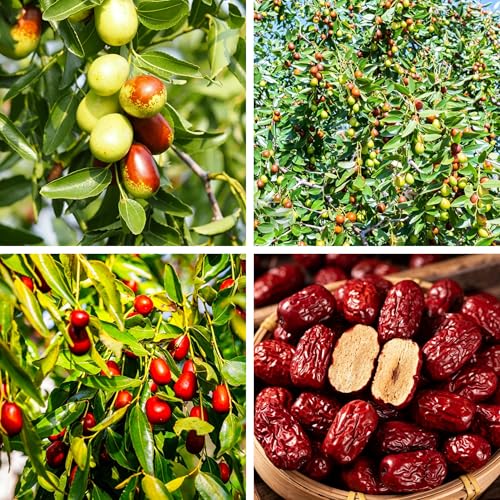
Choosing the appropriate jujube variety is crucial for successful growth in San Jose. Popular options include the Li and Lang varieties, both known for their hardiness and fruit quality. The Li variety produces sweet, crisp fruits, while the Lang variety offers larger, softer fruits.
| Variety | Fruit Size | Flavor Profile | Ripening Time |
|---|---|---|---|
| Li | Medium | Sweet and Crisp | Late Summer |
| Lang | Large | Soft and Sweet | Early Fall |
Recommended Products

Easy to Sow: Jujube seeds adapt to most climates, low-maintenance for home gardens

Compact Starter Size: 8-14” tall bare root tree, ideal for planting in gardens, yards, or small orchards
Site Preparation for Jujube Trees
Preparing the right site is crucial for successfully growing jujube trees in San Jose’s unique climate. This section outlines the essential steps to ensure optimal soil conditions, sunlight exposure, and drainage, setting the foundation for healthy growth and abundant fruit production. Proper site preparation will help you cultivate robust trees that thrive in your local environment.
A well-prepared site ensures optimal growth for your jujube trees. Choose a location with full sun exposure and well-drained soil. Avoid areas with heavy clay or standing water.
Clear the Area of weeds and debris.
Test the Soil pH to ensure it is between 6.0 and 8.0.
Amend the Soil with organic matter to improve drainage.
Site Preparation Safety Measures
Preparing your site for jujube trees in San Jose requires careful consideration of safety measures to ensure a successful growing environment. This section outlines essential precautions and best practices to protect both your plants and yourself during the planting process. Following these guidelines will help create a safe and productive space for your jujube trees to thrive.
When preparing the site, wear gloves and protective eyewear. Ensure tools are in good condition to prevent injuries.
Proper Techniques for Planting Jujube Trees
Planting jujube trees requires careful attention to local conditions and specific techniques to ensure successful growth in San Jose, CA. Understanding the right methods for soil preparation, spacing, and watering can significantly impact the health and productivity of your trees. This section outlines the essential steps to establish jujube trees effectively in your garden.
Planting your jujube trees correctly is essential for their establishment. Follow these steps for successful planting:
Dig a Hole twice the width of the root ball and equal in depth.
Place the Tree in the center of the hole, ensuring the graft union is above soil level.
Backfill with Soil and water thoroughly to eliminate air pockets.
Irrigation and Mulching Strategies for Jujube Trees
Effective irrigation and mulching are crucial for the successful growth of jujube trees in San Jose’s unique climate. Understanding the local water requirements and soil conditions will help ensure these trees thrive. This section delves into practical strategies tailored for optimal moisture retention and soil health, enabling healthy jujube production in the region.
After planting, water the tree deeply once a week. Apply a layer of organic mulch around the base to retain moisture and suppress weeds.
Maintain Your Jujube Trees
Maintaining jujube trees in San Jose requires attention to their unique needs, including proper watering, pruning, and pest management. Understanding the local climate and soil conditions is essential for promoting healthy growth and maximizing fruit production. This section offers practical tips to ensure your jujube trees thrive throughout the seasons.
Regular maintenance is vital for healthy growth. Follow these guidelines:
Prune Annually to remove dead or crossing branches.
Fertilize in Early Spring with a balanced fertilizer.
Monitor for Pests such as aphids and spider mites.
Recommended Products

Adjustable and Durable Handle - Extendable Loppers: The lopping shears are adjustable from 16 inches to 24 inches, allowing you to handle tall branches easily. The iron arm is more sturdy and durable, and will not bend even when cutting large and thick branches.

2 in 1 Grafting Pruning Pliers: The sharp and durable stainless steel blade with a anti-skid handle allows you to cut scion and stock better

CHOPS THROUGH 2-INCH BRANCHES EFFORTLESSLY: The compound action mechanism multiplies your cutting power for fast removal of dry, dead and woody growth. This anvil-style blade is built for the toughest preparatory cuts and cut-to-length work, making heavy-duty pruning dramatically easy through extra leverage.
Pest Management for Jujube Trees
Effective pest management is crucial for ensuring the health and productivity of jujube trees in San Jose. This section outlines common pests that may affect your trees and provides practical strategies for prevention and control, helping you maintain a thriving jujube orchard in the local climate. Understanding these techniques will empower you to protect your investment and enjoy a bountiful harvest.
Identifying and addressing pest issues early can save your jujube trees from damage. Common pests include:
| Pest | Symptoms | Control Method |
|---|---|---|
| Aphids | Curling leaves | Insecticidal soap |
| Spider Mites | Fine webbing | Neem oil |
Optimal Timing for Jujube Harvest
Understanding the optimal timing for harvesting jujube trees is crucial for achieving the best flavor and quality of fruit. In San Jose’s unique climate, knowing when to pick can significantly impact your yield. This section will provide insights into the signs of ripeness and the ideal harvest period for jujube trees in the region.
Knowing when to harvest is crucial for enjoying the best flavor. Jujube fruits are typically ready to pick when they turn a deep brown color.
Check for Firmness: Fruits should feel firm to the touch.
Harvest Gently: Twist the fruit to detach it from the branch.
Optimal Storage for Jujube Harvests
Proper storage is crucial for preserving the quality and flavor of jujube fruits after harvest. In San Jose’s climate, understanding the best practices for storage can significantly extend the shelf life and enhance the eating experience of these unique fruits. This section will outline effective methods to ensure your jujube harvest remains fresh and delicious.
Store harvested jujube fruits in a cool, dry place. They can also be dried for longer shelf life, enhancing their sweetness.
Identifying Jujube Tree Distress Signals
Recognizing the signs of distress in jujube trees is crucial for maintaining their health and productivity. In San Jose’s unique climate, specific symptoms can indicate underlying issues that need timely intervention. This section will help you identify these distress signals to ensure your jujube trees thrive in your garden.
If your jujube trees show signs of distress, assess the situation promptly. Common issues include:
Yellowing Leaves: Indicates nutrient deficiency or overwatering.
Poor Fruit Set: May result from inadequate pollination or extreme temperatures.
Jujube Tree Overwatering Risks
Overwatering can pose significant risks to jujube trees, particularly in the unique climate of San Jose, CA. Understanding the signs of overwatering and its effects on these trees is crucial for ensuring their health and productivity. This section will explore the potential pitfalls of excessive watering and how to avoid them for optimal growth.
Do not overwater jujube trees as they are drought-tolerant and susceptible to root rot.
Jujube Tree Care and Harvest Tips
Caring for jujube trees involves understanding their specific needs and the local climate of San Jose. This section provides essential tips on watering, fertilizing, and pruning, as well as guidance on when and how to harvest your jujubes for optimal flavor and yield. With the right care, your jujube trees can thrive and produce abundant fruit.
Growing jujube trees in San Jose requires careful selection, proper planting, and ongoing maintenance. By following these guidelines, you can enjoy a fruitful harvest and enhance your garden’s diversity.
