

Growing jujube trees in Los Angeles is feasible and rewarding, thanks to the region’s warm climate and well-drained soil. These trees thrive with proper care and can yield abundant fruit. This guide outlines essential steps to ensure successful cultivation of jujube trees in this specific environment.
Essential Supplies for Jujube Cultivation
Growing jujube trees in Los Angeles requires careful preparation and the right tools. This section outlines the essential supplies needed for successful cultivation, ensuring that both novice and experienced gardeners can create an optimal environment for these resilient trees. From soil amendments to irrigation systems, having the right equipment is crucial for thriving jujube plants.
Before starting your jujube tree cultivation, gather the necessary supplies. Proper tools and materials enhance your chances for success. Here’s a checklist to get you started:
| Item | Purpose |
|---|---|
| Jujube tree saplings | Source of fruit |
| Shovel | Digging holes |
| Pruning shears | Trimming branches |
| Mulch | Retaining moisture |
| Fertilizer | Nutrient support |
| Watering can | Providing hydration |
Recommended Products
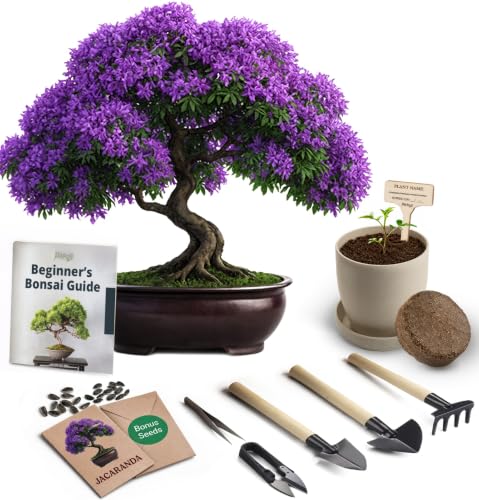
FREE EXTRA SEEDS!! Avergo’s bonsai starter kit comes with 2 additional seed packets just in case you’ll need more
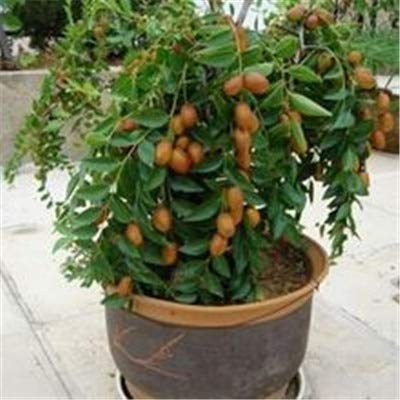
5 pcs/ lot Taiwan Big Jujube Outdoor Sweet Fruit Succulent Plant Tree Bonsai Pot Plant SeedsDIY Home Garden Easy to Grow : 6

Grow Your Own Fruit - Produces large, high-quality fruit with a sweet, crisp, apple-like flavor - excellent for fresh eating or drying.
Site Preparation for Healthy Jujube Trees
Preparing the right site is crucial for the successful growth of jujube trees in Los Angeles. This section outlines essential steps to ensure optimal conditions, including soil selection, sunlight exposure, and drainage considerations. By focusing on these factors, you can create a thriving environment that supports healthy jujube tree development.
Preparing the planting site is crucial for the health of your jujube trees. Choose a location that receives full sunlight for at least six hours daily. Ensure the soil is well-draining to prevent root rot.
Test soil pH; jujubes prefer a pH of 6.0 to 7.0.
Clear the area of weeds and debris.
Wear gloves and protective eyewear when handling tools.
For safety, ensure that your planting area is free from hazards. This promotes a smooth planting process.
Optimal Techniques for Planting Jujube Trees
Planting jujube trees in Los Angeles requires specific techniques to ensure successful growth in the region’s unique climate. Understanding the best practices for soil preparation, spacing, and watering will set the foundation for a thriving jujube orchard. This section outlines the optimal methods to help you cultivate healthy, productive trees that can flourish in your local environment.
Planting jujube trees requires careful execution to ensure healthy growth. Follow these steps for optimal results:
Select a healthy sapling with a strong root system.
Dig a hole twice the width and depth of the root ball.
Place the sapling in the center of the hole, ensuring the graft union is above soil level.
Fill the hole with soil and gently pack it down to eliminate air pockets.
Water thoroughly to help settle the soil around the roots.
Apply mulch around the base to retain moisture.
Monitor the trees regularly for signs of stress or disease.
Jujube Tree Watering and Fertilization Guide
Proper watering and fertilization are crucial for the successful growth of jujube trees in Los Angeles. This guide will provide you with essential techniques and tips tailored to the local climate, ensuring your trees thrive and produce abundant fruit. Understanding these practices will help you cultivate healthy jujube trees that flourish in your garden.
Jujube trees require a specific watering and fertilization regimen for optimal growth. Here’s how to manage these needs:
Water deeply once a week during dry spells.
Fertilize with a balanced fertilizer in early spring and again in late summer.
Adjust watering frequency based on rainfall; avoid overwatering.
A consistent schedule promotes healthy growth and fruit production.
Recommended Products

BIGGER PLANTS: Miracle-Gro Water Can Singles All Purpose Plant Food is a water soluble plant fertilizer that grows plants twice as big (vs unfed plants)
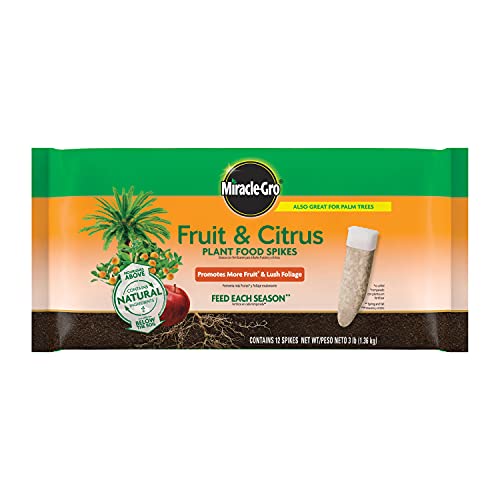
FORMULATED FOR CITRUS AND FRUIT TREES: Use these citrus fertilizer spikes on apple, orange, lemon, lime, and avocado trees; this formula is also great for feeding palm trees

🌿 BALANCED 6-4-6 FORMULA FOR HEALTHY PLANTS: Give your plants balanced nutrition with a professional 6-4-6 NPK fertilizer formulated to support strong roots, greener foliage, healthy leaf development, flowering, and vigorous overall growth. A versatile plant food for a wide variety of indoor and outdoor plants.
Effective Pruning Methods for Jujube Trees
Pruning is a crucial aspect of cultivating healthy jujube trees, particularly in the unique climate of Los Angeles. Proper techniques not only enhance tree structure but also promote fruit production and overall vitality. Understanding effective pruning methods can significantly impact the success of your jujube tree cultivation.
Pruning is essential for maintaining the shape and health of your jujube trees. Proper techniques encourage better air circulation and sunlight penetration. Here’s how to prune effectively:
Remove dead or damaged branches to improve tree health.
Thin out crowded areas to allow light to reach inner branches.
Shape the tree by cutting back excessive growth to maintain a balanced structure.
Pruning should be done in late winter or early spring before new growth begins.
Jujube Tree Pest and Disease Prevention
Maintaining the health of jujube trees in Los Angeles requires vigilance against pests and diseases that can threaten their growth. Understanding the common challenges faced by these trees in the local climate is essential for successful cultivation. This section will explore effective prevention strategies to ensure your jujube trees thrive in a bustling urban environment.
Jujube trees are relatively pest-resistant but can still encounter issues. Regular monitoring and preventive measures are crucial. Here are common pests and diseases to watch for:
| Pest/Disease | Symptoms | Treatment |
|---|---|---|
| Aphids | Curling leaves | Spray with insecticidal soap |
| Scale insects | Sticky residue | Apply horticultural oil |
| Root rot | Wilting leaves | Improve drainage and reduce watering |
Implementing these strategies helps maintain healthy trees and ensures a fruitful harvest.
Recommended Products

Control diseases and insects in your garden with Captain Jack’s Fruit Tree Spray Concentrate! Use on a variety of listed fruits, nuts and citrus plants.

INSECT KILLER: Fast-acting formula kills listed insects including aphids, Japanese beetles, caterpillars, whiteflies, and other listed pests on contact

INDOOR & OUTDOOR HOUSEPLANT CARE: Houseplant Insect & Mite Control provides insect control, plant mite control, and disease control all in one; Use to protect houseplants, flowers, and herbs indoors and outdoors
Optimal Jujube Harvest Timing for Quality
Timing is crucial when it comes to harvesting jujube trees in Los Angeles. Understanding the optimal periods for picking these fruits can significantly enhance their quality and flavor. This section delves into the best practices for determining when your jujubes are ready for harvest, ensuring a successful yield.
Harvesting jujube fruit at the right time is essential for flavor and quality. Here’s how to ensure you get the best yield:
Monitor fruit color; ripe jujubes turn brown and have a wrinkled appearance.
Gently twist or cut the fruit from the tree to avoid damaging branches.
Store harvested fruit in a cool, dry place to prolong freshness.
Proper harvesting techniques maximize your fruit yield and enhance the overall success of your jujube tree cultivation.
