

Choosing the best olive trees for California involves considering climate adaptability and fruit production. The right selection can enhance your landscape and provide a bountiful harvest. This guide explores top varieties suited for California’s diverse environments.
California Olive Tree Climate Considerations
California’s Mediterranean climate is characterized by hot, dry summers and mild, wet winters. This climate is ideal for olive trees, which thrive in well-drained soil and require full sun exposure. Selecting the right variety ensures optimal growth and fruit yield. Consider the following factors when choosing your olive trees:
Soil Type: Well-drained, sandy, or loamy soil is best.
Watering Needs: Olive trees are drought-tolerant but need regular watering during establishment.
Sunlight: Full sun is essential for healthy growth.
Olive Tree Variety Specifications Overview
When selecting the best olive trees for California, understanding the specific characteristics of each variety is essential. This overview will detail the unique specifications of popular olive tree types, helping you make an informed choice based on climate adaptability, fruit production, and growth habits. Whether you seek ornamental beauty or high-quality olives, knowing these details will guide your selection process.
Understanding the differences between olive tree varieties helps in making an informed choice. The following table summarizes key specifications for popular olive tree options.
| Variety Name | Fruit Type | Growth Rate | Cold Tolerance | Yield Potential |
|---|---|---|---|---|
| Arbequina | Table | Moderate | 15°F | High |
| Manzanilla | Table | Moderate | 20°F | Moderate |
| Kalamata | Oil | Slow | 15°F | High |
| Frantoio | Oil | Fast | 10°F | Very High |
Top Olive Tree Varieties for California Gardens
California’s climate is ideal for growing a variety of olive trees, each offering unique flavors and aesthetics. Selecting the right type can enhance your garden’s beauty and yield. Here, we explore the top olive tree varieties that thrive in California, ensuring you find the perfect match for your landscape and culinary needs.
Selecting the right variety can significantly impact your gardening success. Here are in-depth reviews of the top olive tree options for California.
Recommended Products

The Olive Arbequinal plant produces an abundant harvest of flavorful olives, perfect for curing or pressing into high-quality olive oil.

Gourmet Home Gardening: Cultivate a taste of the Mediterranean in your own backyard with the Arbequina Olive Tree. This exquisite variety is renowned for its high-quality olives, perfect for homemade olive oil and culinary creations. Elevate your cooking experience with the authentic flavors of freshly harvested olives, right from your garden.

Arbequinas are popular because of their flavor, but they also have a high concentration of healthy, antioxidant-rich oils. You can get up to 20 pounds of olives each year to enjoy in your salads and add to your favorite recipes
Arbequina Olive Tree Benefits and Care
Arbequina is a top choice for home gardeners. This variety produces small, flavorful olives ideal for oil and table use. It grows well in containers and can adapt to various soil types. Regular pruning enhances air circulation and fruit production.
Manzanilla Olive Tree Characteristics
Manzanilla is another popular variety known for its excellent table olives. It has a compact growth habit, making it suitable for smaller gardens. This tree requires minimal care and produces a moderate yield. Regular watering during dry spells is essential for optimal growth.
Kalamata Olive Tree Characteristics and Care
The Kalamata olive tree is renowned for its rich flavor and distinctive dark purple fruit, making it a popular choice for both home gardeners and commercial growers in California. Understanding its unique characteristics and care requirements is essential for successful cultivation, ensuring a bountiful harvest of these beloved olives. Here, we delve into the specifics of nurturing this iconic tree.
Kalamata olives are renowned for their rich flavor and are primarily used for oil production. This variety grows slowly but offers a high yield once established. It thrives in well-drained soil and requires full sun exposure for best results.
Frantoio Olive Tree Benefits for California
The Frantoio olive tree stands out as a top choice for California growers, offering a blend of resilience and high-quality oil production. Known for its adaptability to various climates and soil types, this variety thrives in California’s unique environment, making it a favorite among both amateur and professional olive farmers. Its rich flavor profile further enhances its appeal in culinary applications.
Frantoio is a fast-growing variety favored for its high oil yield. It is well-suited for California’s climate and can withstand colder temperatures. Regular fertilization and pruning can enhance its productivity.
Olive Tree Variety Selection Criteria
When selecting the best olive tree varieties for California, it’s essential to consider several key factors that influence growth and fruit production. The climate, soil type, and intended use—whether for oil production or table olives—play crucial roles in determining the most suitable options. Understanding these criteria will help you make informed choices for a thriving olive garden.
When comparing olive trees, consider the following aspects to determine the best fit for your garden:
Fruit Use: Decide between table olives or oil production.
Growth Rate: Faster-growing varieties yield sooner.
Cold Hardiness: Essential for areas with occasional frost.
Maintenance Needs: Some varieties require more care than others.
Recommended Products

Gourmet Home Gardening: Cultivate a taste of the Mediterranean in your own backyard with the Arbequina Olive Tree. This exquisite variety is renowned for its high-quality olives, suitable for homemade olive oil and culinary creations. Elevate your cooking experience with the authentic flavors of freshly harvested olives, right from your garden

2 Arbequina Olive Live Trees Plant for Planting, Very Cold Hardy, Well-rooted, 4-7 Inches, 5 Months Old

Planting and Care Techniques for Olive Trees
Successfully planting and caring for olive trees in California requires an understanding of their specific needs and environmental conditions. This section provides essential techniques for ensuring healthy growth and optimal fruit production, covering everything from soil preparation to watering practices. By following these guidelines, you can cultivate thriving olive trees that flourish in California’s unique climate.
Successful olive tree cultivation requires proper planting and care techniques. Follow these guidelines to ensure healthy growth:
Choose a Sunny Spot: Ensure the planting location receives full sunlight.
Prepare the Soil: Amend with compost for better drainage.
Water Wisely: Water deeply but infrequently to encourage deep root growth.
Prune Regularly: Remove dead or crowded branches to promote airflow.
Pests and Diseases Affecting Olive Trees
Olive trees, while resilient, are not immune to various pests and diseases that can threaten their health and productivity. Understanding these challenges is crucial for California growers who want to ensure their trees thrive. This section explores the most common pests and diseases affecting olive trees, along with strategies for prevention and management.
Olive trees can be susceptible to certain pests and diseases. Monitor for the following:
Olive Fruit Fly: Causes damage to fruit and can be controlled with traps.
Scale Insects: Can weaken trees; treat with horticultural oil.
Fungal Diseases: Ensure good air circulation to prevent issues.
Choosing the Right Olive Tree Varieties
Selecting the right olive tree variety is crucial for thriving in California’s unique climate and soil conditions. With numerous options available, understanding the characteristics and requirements of each variety will help ensure successful growth and optimal olive production. This guide will explore the best olive tree varieties suited for California gardens and orchards.
Choosing the right olive tree variety is crucial for successful cultivation in California. Assess your garden’s conditions and select a variety that meets your needs. Proper care will lead to a fruitful harvest and enhance your landscape.
Recommended Products
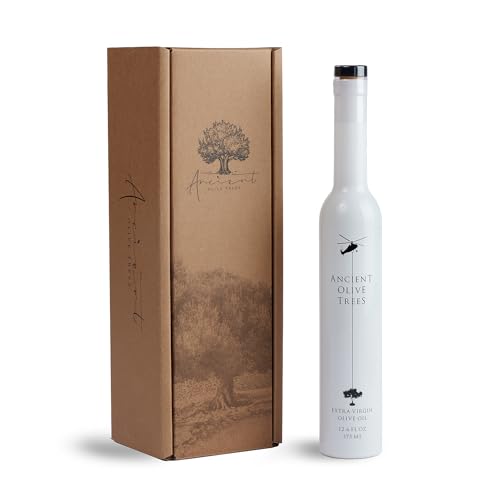
PURE EVOO OLIVE OIL - Our Extra Virgin Olive Oil is pressed from premium olives grown around the world!

✅ Planter Included - Our olive tree comes with a 10.25nch White Planter ,save extra purchase of planter.The artificial Olive tree is pre-assembled in a sturdy plastic planter for easy placement and care.

Space Planning: To achieve the best decorative effect, we recommend placing this 7ft (84''H) olive tree in a spacious area. Its adjustable branches span up to 37'' in width. As it's compressed during delivery, allowing ample room for it to fully expand will ensure a lush and natural appearance
