

Apricot trees can grow successfully in Kentucky’s Bluegrass Region with the right conditions and care. Key factors include selecting the right variety, ensuring proper soil drainage, and providing adequate winter protection.
Best Apricot Varieties for Kentucky Climate
When considering apricot trees for the unique climate of Kentucky, selecting the right variety is crucial for successful growth and fruit production. The Bluegrass Region presents specific challenges and opportunities, making it essential to choose apricot varieties that thrive in this environment. Here are some of the best options suited for Kentucky’s conditions.
Choosing the correct apricot tree variety is crucial for success in Kentucky. Some varieties are more suited to the climate and soil conditions than others. The Bluegrass Region experiences cold winters and warm summers, which affects fruit production.
Consider these varieties for optimal growth:
Tilton: Known for its hardiness and adaptability.
Moorpark: Produces large, flavorful fruit and is relatively disease-resistant.
Harcot: Early ripening and good for colder climates.
Soil Conditions for Apricot Tree Growth
Understanding the soil conditions essential for apricot tree growth is crucial for successful cultivation in Kentucky’s Bluegrass Region. The right soil type, pH level, and drainage can significantly impact the health and productivity of these trees. This section delves into the specific soil requirements that can help ensure thriving apricot orchards in the area.
Apricot trees thrive in well-drained soil with a pH between 6.0 and 7.5. Poor drainage can lead to root rot and other issues. Conducting a soil test is essential to determine nutrient levels and pH.
Soil preparation steps include:
Test soil for pH and nutrients.
Amend soil with organic matter to improve drainage.
Ensure proper spacing to allow air circulation.
| Soil Type | pH Level | Nutrient Needs |
|---|---|---|
| Sandy Loam | 6.0-7.5 | Moderate |
| Clay | 6.0-7.5 | High |
| Silt | 6.0-7.5 | Low |
Optimal Planting Methods for Apricot Trees
Successfully growing apricot trees in Kentucky’s Bluegrass Region requires careful attention to planting methods that suit the local climate and soil conditions. Understanding the optimal techniques for planting can significantly enhance the chances of thriving trees, ensuring a fruitful harvest. This section outlines the best practices for establishing apricot trees in this unique environment.
Proper planting techniques significantly influence the growth and yield of apricot trees. Timing is essential, with early spring being the ideal planting season.
Follow these steps for successful planting:
Choose a sunny location with at least six hours of sunlight daily.
Dig a hole twice the width of the root ball.
Place the tree in the hole and backfill with soil.
Water thoroughly to settle the soil.
Winter Care Strategies for Apricot Trees
Successfully growing apricot trees in Kentucky’s Bluegrass Region requires careful attention to winter care. The cold temperatures and potential frost can pose challenges, making it essential for gardeners to implement effective strategies. This section outlines key practices to protect apricot trees during the winter months, ensuring their health and productivity come spring.
Kentucky winters can be harsh, impacting apricot tree survival. Providing adequate winter protection is essential for young trees.
Consider these winter protection methods:
Wrap trunks with burlap or tree wrap to prevent frost damage.
Mulch around the base to insulate roots.
Use stakes to support young trees against strong winds.
Apricot Tree Pest and Disease Control
Maintaining healthy apricot trees in Kentucky’s Bluegrass Region requires vigilance against pests and diseases that can threaten their growth. Understanding the specific challenges posed by local conditions is crucial for successful cultivation. This section explores effective strategies for pest management and disease prevention to ensure robust apricot production.
Pests and diseases can threaten apricot tree health. Regular monitoring and preventive measures are vital.
Common pests include:
Aphids: Can weaken trees by sucking sap.
Spider mites: Cause leaf discoloration and damage.
Common diseases include:
Brown rot: A fungal disease affecting fruit.
Bacterial canker: Causes dieback and leaf spots.
Implement these management strategies:
Inspect trees regularly for signs of pests or disease.
Apply organic pesticides as needed.
Prune infected branches to prevent spread.
Recommended Products

3-in-1 FORMULA: Aphid spray for outdoor plants for use on roses, flowers, shrubs and trees to control listed insects, disease and mites

Control diseases and insects in your garden with Captain Jack’s Fruit Tree Spray Concentrate! Use on a variety of listed fruits, nuts and citrus plants.
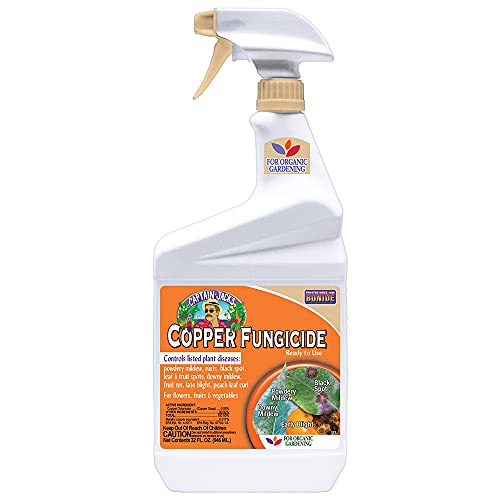
Control fungus and disease in your garden with Captain Jack’s ready-to-use Liquid Copper Fungicide!
Apricot Harvest Timing and Storage Tips
Understanding the optimal timing for harvesting apricots is crucial for ensuring the best flavor and quality in Kentucky’s Bluegrass region. This section provides insights into when to pick apricots and offers practical storage tips to help maintain their freshness and taste after harvest.
Knowing when and how to harvest apricots is key to enjoying their flavor. Apricots should be harvested when they are fully colored and slightly soft to the touch.
Follow these harvesting tips:
Use pruning shears to cut fruit from the tree.
Handle gently to avoid bruising.
Store in a cool place for short-term use.
| Harvest Time | Fruit Color | Firmness |
|---|---|---|
| Early July | Golden Yellow | Slightly Soft |
| Late July | Deep Orange | Soft |
Apricot Tree Maintenance in Kentucky
Maintaining apricot trees in Kentucky’s Bluegrass Region requires careful attention to local climate conditions and soil types. Proper pruning, pest management, and irrigation practices are essential for ensuring healthy growth and fruit production. Understanding these maintenance strategies can significantly enhance the success of cultivating apricot trees in this unique environment.
Maintaining apricot trees involves regular care and attention. Establishing a routine can simplify the process and improve yields.
Key logistics include:
Watering schedule: Deep watering every two weeks during dry spells.
Fertilization: Use a balanced fertilizer in early spring.
Pruning: Perform annual pruning to promote healthy growth.
Regular care will enhance the tree’s resilience and fruit production.
Monitor for signs of stress or disease to address issues promptly.
