

Growing olive trees in pots in North Dakota requires specific strategies to ensure their survival in cold climates. Implementing proper care techniques and winter protection measures can help these trees thrive despite harsh weather conditions.
Olive Tree Varieties for Cold Climates
Olive trees are typically suited for Mediterranean climates but can adapt to colder regions with the right care. In North Dakota, temperatures can drop significantly, making it essential to understand the limits of your olive tree’s cold resistance. Most varieties can withstand temperatures down to 15°F, but prolonged exposure can cause damage. Knowing which varieties to choose and how to protect them is crucial for successful cultivation.
Cold-Hardy Olive Tree Varieties for North Dakota
When considering olive trees for container gardening in North Dakota, selecting the right cold-hardy varieties is crucial. These specific types can withstand the region’s harsh winters while still offering the potential for fruitful harvests. Understanding which varieties thrive in colder climates will help ensure successful cultivation and enjoyment of these unique trees.
Choosing the right olive tree variety is the first step in ensuring cold survival. Some varieties have better cold tolerance than others. Consider the following options:
| Variety Name | Cold Tolerance | Growth Habit | Fruit Type |
|---|---|---|---|
| Arbequina | 15°F | Compact | Oil |
| Frantoio | 15°F | Medium | Oil |
| Koroneiki | 20°F | Spreading | Table |
| Manzanilla | 20°F | Upright | Table |
These varieties can provide a better chance of survival in colder climates. Always check local nurseries for availability and specific recommendations.
Cold Weather Preparation for Olive Trees
Preparing olive trees for the harsh North Dakota winters requires careful planning and specific strategies to ensure their survival. These trees, typically suited for warmer climates, need protection from extreme cold and frost. Understanding the best practices for winterizing olive trees can help gardeners maintain healthy plants throughout the colder months.
Preparation is key to protecting your olive trees from cold damage. Start by ensuring your trees are healthy before winter.
Healthy trees are more resilient to cold stress. Follow these steps:
Water the trees thoroughly before the first frost.
Fertilize with a balanced fertilizer to promote strong growth.
Prune any dead or damaged branches to enhance air circulation.
Recommended Products

The Large plant cover is perfect for Plant size 55''-70"high and 84''-94" round, Heavy-weight FRCs (1.77oz./sq. yard): usually used to extend the growing season in spring and fall, allow 40%-60% light transmittance, and recommend 3°-8°F of freeze protection

The small plant cover is perfect for Plant size 16''-23"high and 36''-46" round, Heavy-weight FRCs (1.77oz./sq. yard): usually used to extend the growing season in spring and fall, allow 40%-60% light transmittance, and recommend 3°-8°F of freeze protection

【PROTECT YOUR PLANTS】 Made of high quality Oxford cloth and aluminum film, this planter protection bag provides excellent protection for your plants from harsh weather conditions such as snow, hail, frost and high winds.
Potted Olive Tree Winter Protection Methods
Protecting potted olive trees during the harsh North Dakota winters requires careful planning and effective strategies. These trees, while hardy, need specific measures to survive freezing temperatures and snow. The following methods outline practical steps to ensure your olive trees thrive despite the cold climate challenges.
Winterizing your potted olive trees is essential for their survival. Here are effective methods to protect them:
Move pots indoors during extreme cold spells.
Wrap pots in insulating materials like burlap or bubble wrap.
Use frost cloths to cover the trees during freezing nights.
These actions can significantly reduce the risk of frost damage.
Microclimate Strategies for Olive Tree Survival
Creating a suitable microclimate is essential for the survival of olive trees in North Dakota’s harsh climate. By understanding and implementing specific strategies, such as using protective coverings and strategic placement, you can help these trees thrive despite the cold. This section explores effective methods to enhance the local environment for your potted olive trees.
Establishing a microclimate can help your olive trees survive harsh winters. A microclimate is a localized area with different climate conditions than the surrounding environment. Consider these strategies:
Position pots against a south-facing wall to maximize sunlight.
Use reflective materials around the planting area to retain heat.
Plant near heat sources like patios or driveways.
These adjustments can create a more favorable environment for your trees.
Temperature and Humidity Levels for Olive Trees
Understanding the temperature and humidity requirements for olive trees is crucial for their successful cultivation in North Dakota’s challenging climate. These trees, typically suited for warmer regions, need specific conditions to thrive even when grown in pots. This section delves into the optimal environmental factors that support the health and growth of olive trees in colder areas.
Regularly monitoring temperature and humidity levels is vital for the health of your olive trees. Use a digital thermometer and hygrometer to keep track of conditions. Aim for the following:
| Condition | Ideal Range |
|---|---|
| Temperature | 45°F – 65°F |
| Humidity | 40% – 60% |
Maintaining these levels can prevent stress and promote healthy growth.
Seasonal Care Techniques for Potted Olives
Caring for potted olive trees in North Dakota requires specific seasonal strategies to ensure their survival in a challenging climate. Understanding the unique needs of these trees throughout the year is essential for maintaining their health and productivity. This section outlines effective techniques for seasonal care, helping you navigate the demands of cold weather while nurturing your olive trees.
Seasonal care practices are essential for the ongoing health of your olive trees. During the growing season, ensure consistent watering and fertilization.
In winter, focus on protection and monitoring. Consider these practices:
Mulch around the base of the pots to retain moisture.
Check for pests regularly and treat as needed.
Adjust watering based on changing temperatures.
These steps will help maintain tree vitality throughout the year.
Recommended Products

Premium Material: Made of 2.06 oz/yd² (70gsm) breathable, non-woven fabric, our plant covers are an affordable, durable, and convenient way to provide frost and cold protection for outdoor plants; Breathable and water-resistant, these covers allow sunlight to penetrate while shielding plants from cold air, helping to maintain a consistent inner temperature

Wide Compatibility: Our large plant winter protection pot measures 27.6 x 25.6 inches, fitting most potted plants — bushes, small and young trees, shrubs, tomatoes, blueberry bushes, citrus trees, and more. One cover protects a wide range of garden plants through the cold season

The medium plant cover is perfect for Plant size 30''-39"high and 52''-62" round, Heavy-weight FRCs (1.77oz./sq. yard): usually used to extend the growing season in spring and fall, allow 40%-60% light transmittance, and recommend 3°-8°F of freeze protection
Cold Tolerance Limits for Potted Olive Trees
Understanding the cold tolerance limits of potted olive trees is essential for successful cultivation in North Dakota’s challenging climate. This section explores the specific temperature thresholds these trees can withstand, along with practical strategies to protect them during harsh winter months. By knowing their limits, gardeners can better ensure the health and longevity of their olive trees.
Avoid exposing olive trees to temperatures below their cold tolerance limit. Prolonged exposure can lead to irreversible damage.
Olive Tree Care Strategies for Cold Climates
Successfully growing olive trees in pots in North Dakota requires careful planning and consistent care. By selecting the right variety, preparing for winter, and creating a microclimate, you can ensure your trees thrive despite the cold. Implement these strategies to enjoy healthy olive trees year-round.
Recommended Products
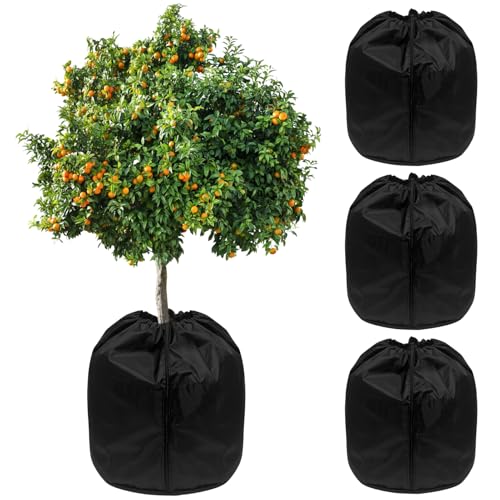
Multi-Functional Compatibility: Our plant winter protection pot measures 17.7" x 19.7" (45 x 50 cm), making it perfect for various small potted plants, like shrubs, young trees, aloe vera, roses, geraniums, and rosemary. This plant pot cover is a great choice for plant lovers and gardeners looking to keep their favorite plants safe from winter frost.

The Large plant cover is perfect for Plant size 55''-70"high and 84''-94" round, Heavy-weight FRCs (1.77oz./sq. yard): usually used to extend the growing season in spring and fall, allow 40%-60% light transmittance, and recommend 3°-8°F of freeze protection
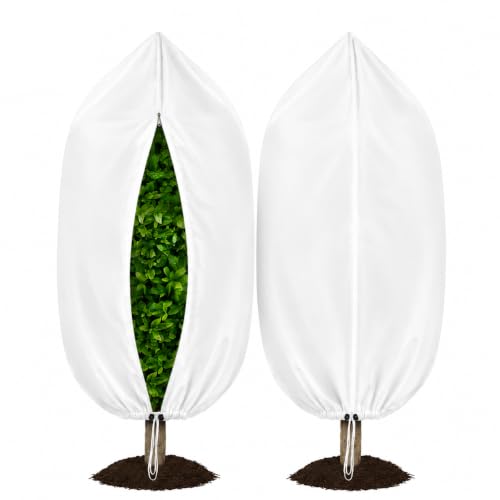
70GSM (2.07oz) Polypropylene Nonwoven Fabric — Ideal weight for winter use. Blocks cold wind and provides a barrier against frost down to -5°C (23°F). Breathable to avoid overheating. For colder areas below -10°C, layer two covers for more coverage,2 covers per pack for multiple plants
