

Growing olive trees in pots in Minnesota can be challenging due to the harsh northern winters. However, with the right techniques and preparations, these trees can survive and thrive even in colder climates.
Choosing Cold-Hardy Olive Tree Varieties
Olive trees generally thrive in USDA hardiness zones 8 to 11. Minnesota falls into zones 3 to 5, making it essential to choose the right variety and provide adequate protection. Some cold-hardy varieties can survive in colder climates, but they require specific care.
Recommended Products
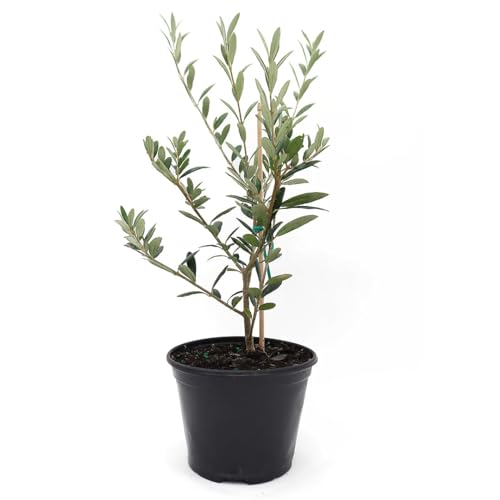
TIMELESS ELEGANCE: The Olive Tree is a symbol of timeless elegance and grace. With its slender, silvery leaves and twisting branches, this tree adds a touch of Mediterranean charm to any home. Embrace the beauty of ancient civilizations as you bring the allure of olive groves to your own garden or home.

Gourmet Home Gardening: Cultivate a taste of the Mediterranean in your own backyard with the Arbequina Olive Tree. This exquisite variety is renowned for its high-quality olives, suitable for homemade olive oil and culinary creations. Elevate your cooking experience with the authentic flavors of freshly harvested olives, right from your garden

Choose Cold-Hardy Olive Varieties
When selecting olive trees for container gardening in Minnesota, it’s essential to choose cold-hardy varieties that can withstand harsh winters. These resilient options not only thrive in pots but also offer the best chance for survival during the frigid months, ensuring that your olive cultivation remains fruitful despite the challenging climate.
Selecting the right olive tree variety is crucial for successful growth in Minnesota. Some varieties are more resilient to cold temperatures. Consider the following options:
Arbequina: Known for its adaptability and cold tolerance.
Mission: Another hardy option that can withstand cooler temperatures.
Koroneiki: Offers good cold resistance and high oil yield.
Winter Protection Strategies for Potted Olive Trees
Potted olive trees can thrive in Minnesota’s challenging winters with the right protection strategies. Understanding how to shield these Mediterranean plants from harsh temperatures and frost is essential for their survival. This section explores effective methods to ensure your olive trees remain healthy and vibrant despite the northern climate.
Proper winter preparation is vital for the survival of potted olive trees. These trees need protection from freezing temperatures and harsh winds. Implement the following strategies:
Insulate the Pot: Wrap the pot with burlap or bubble wrap to provide insulation.
Move Indoors: If possible, relocate the tree indoors during the coldest months.
Use a Greenhouse: A greenhouse can offer a controlled environment for your olive tree.
Essential Care Practices for Potted Olive Trees
Caring for potted olive trees in Minnesota requires a tailored approach to ensure their survival through harsh northern winters. Understanding the specific needs of these Mediterranean plants, from watering to temperature management, is crucial for maintaining their health and vitality. This section outlines essential care practices to help your olive trees thrive despite the challenging climate.
Caring for olive trees in pots requires attention to watering, fertilization, and pruning. These practices ensure healthy growth and fruit production.
Olive Tree Watering and Drainage Guidelines
Proper watering and drainage are crucial for the health of potted olive trees, especially in Minnesota’s challenging climate. Understanding how to balance moisture levels while ensuring adequate drainage can help these trees thrive despite the harsh northern winters. This section outlines essential guidelines to keep your olive trees hydrated and healthy throughout the year.
Proper watering is essential for maintaining healthy olive trees. Overwatering can lead to root rot, while underwatering can cause stress. Follow these guidelines:
Check Soil Moisture: Use your finger to test the top inch of soil. If dry, water thoroughly.
Ensure Drainage: Make sure pots have drainage holes to prevent water accumulation.
Fertilization Strategies for Potted Olive Trees
Fertilizing potted olive trees is essential for their growth and resilience, especially in Minnesota’s challenging climate. Proper nutrient management can significantly enhance their ability to withstand harsh winters while promoting healthy foliage and fruit production. Understanding the right fertilization strategies will help ensure these trees thrive despite the cold conditions.
Fertilizing your olive tree is important for nutrient uptake. Use a balanced fertilizer designed for fruit trees. Apply during the growing season to support healthy growth.
Frequency: Fertilize every 4-6 weeks during the growing season.
Type: Use a slow-release fertilizer to provide consistent nutrients.
Pest and Disease Monitoring for Olive Trees
Monitoring pests and diseases is crucial for the health of olive trees, especially in Minnesota’s challenging climate. With the potential for various threats, understanding how to identify and manage these issues can significantly enhance the chances of survival for potted olive trees during harsh northern winters. This section will explore effective strategies for keeping your olive trees healthy and thriving.
Pests and diseases can affect the health of your olive trees. Regular monitoring helps catch issues early. Be vigilant for the following:
Aphids: Small green insects that can weaken the tree.
Scale: Hard, shell-like insects that can affect leaves and stems.
Fungal Infections: Look for discoloration or spots on leaves.
Pest Management Strategies for Olive Trees
Managing pests is crucial for the health of potted olive trees, especially in Minnesota’s challenging climate. As these trees face unique threats from insects and diseases, implementing effective pest management strategies can help ensure their survival and productivity throughout the harsh northern winters. Understanding the specific pests that target olive trees will aid in developing a proactive approach to their care.
Implementing effective pest control methods is essential for maintaining your olive tree’s health. Consider these options:
Insecticidal Soap: Effective against soft-bodied insects like aphids.
Neem Oil: A natural pesticide that can help control various pests.
Regular Inspections: Check leaves and stems weekly for early signs of infestation.
Winter Care Routine for Potted Olives
Caring for potted olive trees during Minnesota’s harsh winters requires a thoughtful approach to ensure their survival. This section outlines essential steps for winterizing these delicate plants, including optimal placement, temperature management, and protective measures. By following these guidelines, you can help your olive trees thrive despite the cold conditions.
Establishing a winter care schedule will help ensure your olive trees receive the attention they need during the colder months. This schedule should include:
| Task | Frequency | Notes |
|---|---|---|
| Watering | Weekly | Adjust based on indoor humidity |
| Fertilizing | Monthly | Use a diluted solution |
| Inspections | Bi-weekly | Check for pests and diseases |
Failure to follow a winter care schedule can lead to tree stress and potential loss.
Recommended Products

【PROTECT YOUR PLANTS】 Made of high quality Oxford cloth and aluminum film, this planter protection bag provides excellent protection for your plants from harsh weather conditions such as snow, hail, frost and high winds.

8 Pack Value Package:Comes with 8 pieces green plant frost protection bags in 47 x 31.5 Inch size, ample quantity to protect multiple potted plants, small bushes, fruit saplings and medium shrubs in your yard for whole winter freeze prevention

8 Pack Value Package:Comes with 8 pieces white plant frost protection covers in size 39.3 × 19.6 Inch, sufficient quantity to wrap most small shrubs, fruit trees, potted plants and outdoor garden vegetation for winter cold defense
Assessing Olive Tree Growth and Care Adjustments
Understanding how olive trees adapt to pot cultivation in Minnesota’s harsh winters is crucial for successful growth. This section evaluates the specific care adjustments needed to promote healthy development and resilience in these trees, ensuring they thrive despite the challenges posed by the northern climate. Careful assessment of their growth patterns will guide effective strategies for winter survival.
Regularly assess the growth of your olive trees and adjust care as needed. Signs of stress may indicate the need for changes in watering, fertilization, or pest control.
Leaf Drop: May indicate overwatering or nutrient deficiency.
Slow Growth: Could signal insufficient light or poor soil quality.
By understanding the specific needs of your olive trees and implementing these strategies, you can successfully grow them in pots in Minnesota.
