
Close Menu
    Fruit Tree Hub
    • Home
    • Apple Trees
    • Lemon Trees
    • Mango Trees
    • Orange Trees
    • More Trees
      • Best Fruit Trees
      • Apricot Trees
      • Cherry Trees
      • Fig Trees
      • Lime Trees
      • Mulberry Trees
      • Peach Trees
      • Pear Trees
      • Plum Trees
      • Pomegranate Trees
    • Tips and Advice
      • Tools
    • About Us
      • Contact
      • Privacy Policy
    Fruit Tree Hub
    Home»Planting»Olive Trees in a Pot in Massachusetts (Coastal Growth Manual)
    Planting

    Olive Trees in a Pot in Massachusetts (Coastal Growth Manual)

    Lucy SmithBy Lucy SmithApril 3, 20266 Mins Read
    Share Facebook Twitter Pinterest WhatsApp Email
    Share
    Facebook Twitter LinkedIn Pinterest Telegram Email

    Growing olive trees in pots in Massachusetts can be a rewarding endeavor, provided you understand the unique challenges of coastal climates. Proper care, including temperature management and soil selection, is essential for successful growth and fruit production. This guide outlines the necessary steps and considerations for cultivating olive trees in pots along the Massachusetts coast.

    Contents show
    1 Coastal Olive Tree Varieties for Massachusetts
    2 Pot and Soil Preparation for Olive Trees
    3 Temperature and Light Management for Olive Trees
    4 Olive Tree Watering and Fertilization Guidelines
    5 Pruning Techniques for Potted Olive Trees
    6 Coastal Protection Strategies for Olive Trees
    7 Olive Tree Problem-Solving in Massachusetts
    8 Essential Resources for Growing Olive Trees

    Coastal Olive Tree Varieties for Massachusetts

    When considering olive trees for container gardening in Massachusetts, it’s essential to choose varieties that thrive in coastal climates. The unique conditions of this region can influence growth, making specific cultivars more suitable for successful cultivation. This section explores the best coastal olive tree varieties that can flourish in pots, offering both beauty and resilience.

    Choosing the right olive tree variety is crucial for successful cultivation in Massachusetts. Some varieties are more suited for cooler climates and can withstand coastal conditions better than others. Popular options include:

    • Arbequina: Known for its adaptability and high oil yield.

    • Mission: Tolerates cooler temperatures and produces a rich flavor.

    • Frantoio: Offers excellent oil quality and is moderately cold-hardy.

    Selecting a variety that thrives in your specific conditions can significantly impact your success.

    Pot and Soil Preparation for Olive Trees

    Preparing the right pot and soil is crucial for successfully growing olive trees in Massachusetts. The unique coastal climate presents specific challenges, making it essential to choose appropriate materials that promote healthy growth. This section outlines the necessary steps to ensure your olive trees thrive in containers.

    MUST READ
    Growing Avocado Trees in Fort Wayne, IN: Midwestern Success

    The right pot and soil mix are vital for healthy olive tree growth. Use pots that allow for proper drainage to prevent root rot.

    A well-draining soil mix is essential. Consider the following:

    • Pot Size: Use a pot that is at least 12-16 inches in diameter for young trees. Larger pots are needed as the tree matures.

    • Soil Mix: Combine potting soil with perlite or sand to enhance drainage.

    Ensure that your pot has drainage holes to allow excess water to escape.

    Pot SizeRecommended Soil Mix
    12-16 inches50% potting soil, 50% perlite
    18-24 inches60% potting soil, 40% sand

    Recommended Products

    Miracle-Gro Houseplant Potting Mix, 4 qt. | Fertilized, Perlite Soil for Indoor Gardening, Designed to Be Less Prone to Gnats
    Miracle-Gro Houseplant Potting Mix, 4 qt. | Fertilized, Perlite Soil for Indoor Gardening, Designed to Be Less Prone to Gnats

    INDOOR GROWING: Growing indoors is easy under the right conditions; Miracle-Gro Houseplant Potting Mix is an indoor plant potting soil that combines key elements container plants need to thrive

    VIEW LATEST PRICE

    As an affiliate, we earn on qualifying purchases.

    Gardenera Olive Tree Premium Potting Mix - Optimal Air, Moisture, and Nutrient Balance for Healthy Trees - 2 Quart
    Gardenera Olive Tree Premium Potting Mix - Optimal Air, Moisture, and Nutrient Balance for Healthy Trees - 2 Quart

    ✅ 🌿 Unleash Olive Tree Excellence: Our premium potting mix enhances growth, health, and productivity, resulting in flourishing olive trees.

    VIEW LATEST PRICE

    As an affiliate, we earn on qualifying purchases.

    Soil Sunrise Olive Tree Potting Soil Mix (8 Quarts) for Planting, Repotting, and Growing Olive Bushes/Plants
    Soil Sunrise Olive Tree Potting Soil Mix (8 Quarts) for Planting, Repotting, and Growing Olive Bushes/Plants

    100% Natural: Special custom blend for olive trees in containers

    VIEW LATEST PRICE

    As an affiliate, we earn on qualifying purchases.

    Temperature and Light Management for Olive Trees

    Successfully growing olive trees in pots in Massachusetts requires careful attention to temperature and light conditions. Given the region’s climate, understanding how to manage these factors is essential for ensuring healthy growth and maximizing fruit production. This section will explore the specific temperature ranges and light requirements necessary for thriving olive trees in coastal environments.

    MUST READ
    Neem Oil on Almond Trees: When to Spray for Organic Pest Control

    Olive trees thrive in warm climates but can adapt to cooler conditions with proper management. In Massachusetts, consider the following strategies:

    • Location: Place pots in a sunny area that receives at least 6 hours of direct sunlight daily.

    • Temperature Control: During winter, move pots indoors or to a sheltered area to protect against frost.

    Monitoring temperature and light exposure will help ensure your trees remain healthy and productive.

    Recommended Products
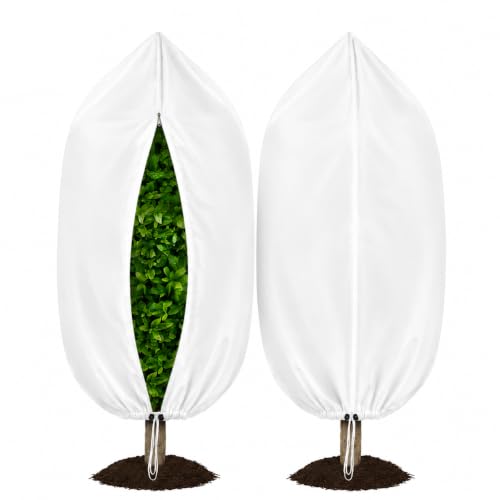
    Plant Freeze Protection Covers: 48" x 72", Zipper & Drawstring, 2-Pack | 2.07oz Frost Cloth Plant Freeze Protection for Potted Citrus, Shrubs. Breathable, Uv-Resistant, Blocks Wind Down To -5°C
    Plant Freeze Protection Covers: 48" x 72", Zipper & Drawstring, 2-Pack | 2.07oz Frost Cloth Plant Freeze Protection for Potted Citrus, Shrubs. Breathable, Uv-Resistant, Blocks Wind Down To -5°C

    70GSM (2.07oz) Polypropylene Nonwoven Fabric — Ideal weight for winter use. Blocks cold wind and provides a barrier against frost down to -5°C (23°F). Breathable to avoid overheating. For colder areas below -10°C, layer two covers for more coverage,2 covers per pack for multiple plants

    VIEW LATEST PRICE

    As an affiliate, we earn on qualifying purchases.

    MIXC Plant Covers Freeze Protection, 23.6''Ă—23.6'' Winter Cold Weather Frost Blankets Shrub Jacket With Drawstring No Zipper Reusable Frost Protection Cloth For Outdoor Plants Fruit Tree Potted 2 Pack
    MIXC Plant Covers Freeze Protection, 23.6''Ă—23.6'' Winter Cold Weather Frost Blankets Shrub Jacket With Drawstring No Zipper Reusable Frost Protection Cloth For Outdoor Plants Fruit Tree Potted 2 Pack

    The small plant cover is perfect for Plant size 16''-23"high and 36''-46" round, Heavy-weight FRCs (1.77oz./sq. yard): usually used to extend the growing season in spring and fall, allow 40%-60% light transmittance, and recommend 3°-8°F of freeze protection

    VIEW LATEST PRICE

    As an affiliate, we earn on qualifying purchases.

    MIXC Plant Covers Freeze Protection, 47.2''Ă—70.8'' Winter Cold Weather Frost Blankets Shrub Jacket with Drawstring Reusable Frost Protection Cloth for Outdoor Plants Fruit Tree Potted (2 Pack)
    MIXC Plant Covers Freeze Protection, 47.2''Ă—70.8'' Winter Cold Weather Frost Blankets Shrub Jacket with Drawstring Reusable Frost Protection Cloth for Outdoor Plants Fruit Tree Potted (2 Pack)

    The Large plant cover is perfect for Plant size 55''-70"high and 84''-94" round, Heavy-weight FRCs (1.77oz./sq. yard): usually used to extend the growing season in spring and fall, allow 40%-60% light transmittance, and recommend 3°-8°F of freeze protection

    MUST READ
    Peach Trees in Vermont (New England Hardiness Secrets)
    VIEW LATEST PRICE

    As an affiliate, we earn on qualifying purchases.

    Olive Tree Watering and Fertilization Guidelines

    Proper watering and fertilization are crucial for the health and productivity of olive trees grown in pots, especially in the unique climate of Massachusetts. Understanding the specific needs of these trees will help ensure they thrive, producing healthy foliage and potentially fruit despite the challenges posed by coastal conditions. This section outlines essential guidelines for maintaining optimal moisture and nutrient levels.

    Proper watering and fertilization are essential for the health of your olive trees. Overwatering can lead to root rot, while underwatering can stress the plant. Follow these guidelines:

    • Watering: Allow the top inch of soil to dry out before watering. Use a moisture meter for accuracy.

    • Fertilization: Use a balanced fertilizer every 4-6 weeks during the growing season.

    Regular monitoring of soil moisture and nutrient levels will promote optimal growth.

    Recommended Products

    Olive Tree Fertilizer – Liquid Plant Food for Bigger Harvests, 8 oz | Encourages Fruit Set, For Potted or In-Ground Use, Supports Root Development, Easy Pour Formula
    Olive Tree Fertilizer – Liquid Plant Food for Bigger Harvests, 8 oz | Encourages Fruit Set, For Potted or In-Ground Use, Supports Root Development, Easy Pour Formula

    Made for Olive Trees - This olive tree fertilizer is formulated specifically to support healthy growth and long-term vitality in olive trees.

    VIEW LATEST PRICE

    As an affiliate, we earn on qualifying purchases.

    Olive Tree Fertilizer – Fruit Tree Fertilizer for Olive Tree, Citrus, Lemon, Lime, Fig, Avocado, Mango, Apple & Pomegranate – for Potted & Outdoor Trees (8 oz - 1/2 lbs.)
    Olive Tree Fertilizer – Fruit Tree Fertilizer for Olive Tree, Citrus, Lemon, Lime, Fig, Avocado, Mango, Apple & Pomegranate – for Potted & Outdoor Trees (8 oz - 1/2 lbs.)

    🌳Olive & Fruit Trees: 6-4-6 fertilizer for fruit trees—ideal olive tree fertilizer for potted & outdoor trees; supports healthy growth and fruiting.

    MUST READ
    Growing Banana Trees in Maine (Indoor and Winter Care)
    VIEW LATEST PRICE

    As an affiliate, we earn on qualifying purchases.

    Premium Liquid Olive Tree Plant Fertilizer - 3-1-2 Concentrate for Indoor Plants and Flowers by Gardenera | Organic Plant Food for Olive Trees - 8oz
    Premium Liquid Olive Tree Plant Fertilizer - 3-1-2 Concentrate for Indoor Plants and Flowers by Gardenera | Organic Plant Food for Olive Trees - 8oz

    🌳 OLIVE OPULENCE: Specifically formulated for indoor olive trees, our 3-1-2 Liquid Fertilizer Concentrate provides the ideal balance of nitrogen, phosphorus, and potassium. This ensures your olive tree remains lush, vibrant, and on the path to bearing fruit.

    VIEW LATEST PRICE

    As an affiliate, we earn on qualifying purchases.

    Pruning Techniques for Potted Olive Trees

    Pruning is essential for maintaining the health and productivity of potted olive trees, especially in Massachusetts’ coastal climate. This section explores effective pruning techniques that promote optimal growth, enhance air circulation, and improve fruit yield, ensuring that your olive trees thrive even in confined spaces. Understanding these methods will help you cultivate robust and fruitful olive trees in your garden.

    Regular pruning is necessary to maintain the shape and health of your olive trees. Proper maintenance encourages better air circulation and sunlight penetration. Key practices include:

    • Pruning: Trim back any dead or diseased branches in late winter or early spring.

    • Pest Control: Inspect for pests like scale and aphids. Use organic insecticides if necessary.

    Regular maintenance will help your trees thrive and produce fruit.

    Coastal Protection Strategies for Olive Trees

    In Massachusetts, cultivating olive trees in pots presents unique challenges, particularly along coastal areas where environmental factors can impact growth. This section explores effective coastal protection strategies tailored to ensure the health and productivity of potted olive trees, addressing issues like salt exposure, wind resistance, and soil management to optimize their development in a maritime climate.

    Coastal conditions can be harsh, impacting the growth of your olive trees. Implement protective measures to mitigate these effects:

    • Wind Protection: Use windbreaks or place pots in sheltered locations to reduce wind exposure.

    • Salt Tolerance: Monitor for signs of salt damage, especially if near the ocean. Rinse leaves with fresh water after storms.

    MUST READ
    Growing Pomegranate Trees in a Pot in Iowa: Avoid Common Mistakes

    Taking these precautions will help your trees withstand the coastal environment.

    Olive Tree Problem-Solving in Massachusetts

    Growing olive trees in pots in Massachusetts presents unique challenges due to the region’s climate and environmental conditions. This section addresses common issues faced by gardeners, offering practical solutions to help ensure the health and vitality of potted olive trees. From pest management to temperature regulation, effective strategies are essential for successful cultivation in this coastal area.

    Even with proper care, olive trees may face challenges. Common issues include:

    • Leaf Drop: Often caused by overwatering or sudden temperature changes.

    • Poor Fruit Production: May result from inadequate pollination or nutrient deficiencies.

    Identifying these problems early can help you take corrective actions.

    IssueSymptomsSolution
    Leaf DropYellowing leaves, falling leavesAdjust watering schedule
    Poor Fruit ProductionFew olives, small sizeEnsure proper fertilization

    Essential Resources for Growing Olive Trees

    Growing olive trees in pots can be a rewarding endeavor, especially in Massachusetts where coastal conditions present unique challenges. This section outlines essential resources that will help you successfully cultivate these resilient trees, from soil requirements to suitable pot sizes, ensuring you have the information needed for thriving olive trees in your garden.

    Utilizing available resources can enhance your olive tree growing experience. Consider:

    • Local Gardening Clubs: Join for advice and support from experienced growers.

    • Online Forums: Participate in discussions to learn from others’ experiences.

    Accessing these resources can provide valuable insights and tips for successful cultivation.

    Share. Facebook Twitter Pinterest LinkedIn Tumblr Email
    lucy smith
    Lucy Smith
    • Website

    Lucy Smith is a highly experienced horticulturist with a passion for fruit tree cultivation. She holds a degree in Horticulture from the University of California, Davis, and has worked in various roles in the industry. With over 10 years of experience, Lucy is dedicated to using eco-friendly methods for sustainable gardening practices.

    Related Posts

    Can Olive Trees Grow in New Jersey? Garden State Growth Tips

    July 11, 2026

    Can Star Fruit Trees Grow in Missouri? Expert Variety Guide

    July 10, 2026

    How to Grow Jujube Trees in Las Vegas, NV: Desert Growth

    July 10, 2026

    Mango Trees in Illinois: Indoor and Greenhouse Growth Secrets

    July 10, 2026

    Growing Papaya Trees in Oklahoma: High Heat Resilience

    July 10, 2026

    Tamarind Trees in a Pot in Ohio (Complete Maintenance Manual)

    July 10, 2026
    Leave A Reply Cancel Reply

    Affiliate Disclosure

    As an Amazon Associate I earn from qualifying purchases.

    Recommended Reading

    The Best Ways to Harvest Walnut Nuts

    Is Almond Tree Bark Used in Any Products

    How Long Till Apple Trees Bear Fruit: Essential Tips for Faster Harvesting

    What Fruit Trees Pollinate Each Other to Boost Your Orchard’s Yield and Success

    Persimmon Trees in a Pot in Delaware (Regional Small Space Advice)

    5 Best Fertilizers for Cherry Trees: Grow Lush and Delicious Fruits

    Can Tamarind Trees Grow in a Pot in Missouri? Expert Advice

    How to Plant a Nectarine Tree from Seed: A Guide to Growing Your Own Delicious Fruit

    19 Colorful Granny Square Crochet Bags With Modular Motifs

    Why Grapefruit Split on Trees & Practical Solutions for Growers

    Fruit Tree Hub

    Fruit Tree Hub is a website dedicated to providing you everything you need to grow fruit trees successfully at in your own yard.

    Contact us at: [email protected]

    - AFFILIATE DISCLOSURE: As an Amazon Associate I earn from qualifying purchases.

    Latest Posts

    18 Crochet Keychain Packaging Ideas With Gift Tags and Display Cards

    19 Crochet Backpack Charm Ideas for Lightweight Everyday Accessories

    20 Personalized Crochet Initial Keychain Ideas for Handmade Gifts

    18 Couples’ Crochet Keychain Ideas With Matching Half-and-Half Designs

    21 Pastel Crochet Keychain Ideas Featuring Coordinated Color Palettes

    19 Cotton Yarn Crochet Keychain Ideas With Crisp Stitch Definition

    22 Scrap-Yarn Crochet Keychain Ideas for Colorful Miniature Projects

    18 Flat Crochet Keychain Ideas Using Simple Shapes and Basic Stitches

    Categories
    • Almond Trees
    • Apple Trees
    • Apricot Trees
    • Best Fruit Trees
    • Blackberry
    • Cantaloupe
    • Cherry Trees
    • Christmas Crochet Ideas
    • Crochet Bag Ideas
    • Crochet Blanket Ideas
    • Crochet Dress Ideas
    • Crochet Ideas
    • Crochet Ideas for Beginners
    • Crochet Keychain Ideas
    • Crochet Top Ideas
    • Cucamelon
    • Cute Crochet Ideas
    • Easy Crochet Ideas
    • Easy Knitting Projects
    • Fall Crochet Ideas
    • Fig Trees
    • Grapefruit Trees
    • Grapes
    • Guava Trees
    • Halloween Crochet Ideas
    • Honeydew
    • Jujube Trees
    • Kiwi
    • Knitting For Beginners
    • Knitting Ideas
    • Knitting Inspiration
    • Lemon Trees
    • Lime Trees
    • Loquat Trees
    • Mango Trees
    • Mulberry Trees
    • Nectarine Trees
    • Olive Trees
    • Orange Trees
    • Papaya Trees
    • Peach Trees
    • Pear Trees
    • Persimmon Trees
    • Planting
    • Plum Trees
    • Pomegranate Trees
    • Quince Trees
    • Raspberry
    • Reviews
    • Small Crochet Ideas
    • Star Fruit Trees
    • Summer Crochet Ideas
    • Tamarind Trees
    • Tangerine Trees
    • Tips and Advice
    • Tools
    • Uncategorized
    • Walnut Trees
    • Winter Crochet Ideas
    © 2026 Fruit Tree Hub
    • Home
    • About Us
    • Contact
    • Privacy Policy
    • Terms and Conditions
    • Disclaimer
    • Editorial Policy
    • Affiliate Disclosure

    Type above and press Enter to search. Press Esc to cancel.