

Growing guava trees in Boise, ID, is achievable with careful planning and attention to the unique climate. By selecting the right varieties and implementing specific cultivation techniques, you can successfully produce fruit in this high desert environment.
Best Guava Varieties for Boise’s Climate
Choosing the correct guava varieties is crucial for successful growth in Boise’s climate. Varieties such as the Tropical Pink and Mexican Cream are more adaptable to cooler temperatures and can withstand occasional frost. These types typically produce fruit within two to three years, making them ideal for home gardeners.
| Variety | Growth Time | Frost Tolerance | Flavor Profile |
|---|---|---|---|
| Tropical Pink | 2-3 years | Moderate | Sweet, aromatic |
| Mexican Cream | 2-3 years | High | Mild, creamy |
Recommended Products

🌱 Premium Guava Seeds: High-quality guava seeds selected for strong germination and healthy tropical fruit tree growth.

Fragrant Flowers: Bloom blossoms that provide precious nectar for pollinators like bees, creating your own romantic orchard with heavy fruit and rich flavor

Elevate your garden with the exquisite charm of Tropical Strawberry Guava, and cultivate your own paradise with our 30pcs organic pink guava seeds.
Soil Preparation for Thriving Guava Trees
To successfully grow guava trees in Boise’s high desert climate, proper soil preparation is essential. The right soil conditions not only support healthy root development but also enhance the tree’s resilience against environmental stresses. Understanding the specific needs of guava trees will help ensure a thriving garden in this unique region.
Soil preparation is essential for guava trees to thrive in Boise. The soil should be well-draining and rich in organic matter.
Conduct a soil test to determine pH levels and nutrient content. Aim for a pH between 6.0 and 7.0 for optimal growth.
Amend soil with compost or well-rotted manure to enhance fertility.
Incorporate perlite or sand to improve drainage.
Mulch around the base to retain moisture and regulate temperature.
Guava Tree Planting Strategies for Boise
Planting guava trees in Boise requires careful consideration of the region’s unique climate and soil conditions. Understanding the best strategies for planting will help ensure successful growth and fruit production in this high desert environment. This section outlines effective techniques tailored specifically for Boise’s challenges and opportunities.
Proper planting techniques can significantly influence the success of your guava trees. The best time to plant is in the spring after the last frost. Follow these steps for effective planting:
Dig a hole twice the width of the root ball and the same depth.
Place the tree in the center, ensuring the root collar is level with the surrounding soil.
Backfill with native soil mixed with compost.
Water thoroughly to eliminate air pockets.
Recommended Products
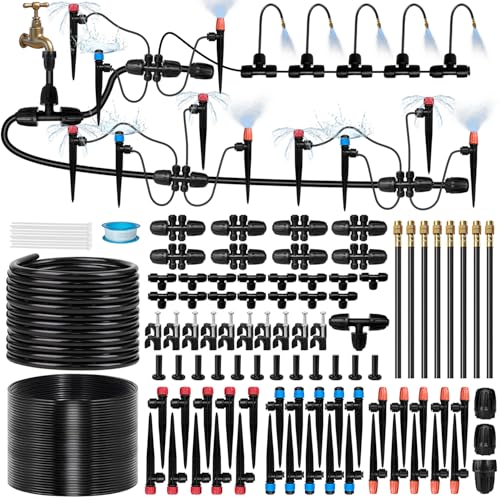
【Upgraded Tube Design & Water Saving】 Our garden watering system is upgraded to 1/2” diameter to support high water pressure. The 1/2” tee connector allows seamless splitting into 2 independent zones for customized watering schedules. By delivering moisture directly to root zones, this drip Irrigation system significantly reduces evaporation and runoff—saving more water compared to conventional sprinklers while eliminating the need for manual watering.
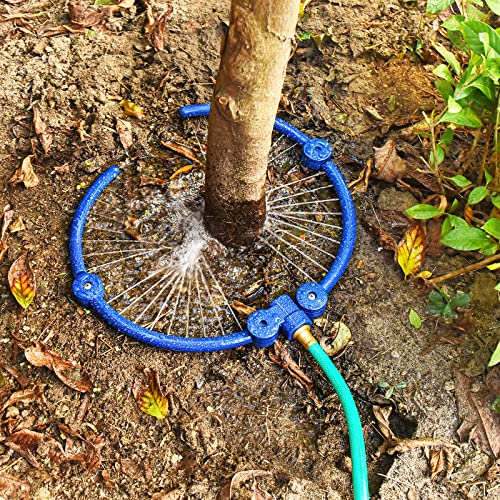
【Specially Designed for Trees and Shrubs】 The Watering Ring is a multi-purpose irrigation ring that attaches to a garden hose to efficiently water young trees shrubs vegetables or flower beds using drip or trickle irrigation.It directs water to the root perimeter of the plant to give them a good start during the first two growing seasons or through periods of drought.

NO MORE HARD INSTALLATION - SET UP IN MINUTES. Tired of struggling with stiff barbed fittings? This drip irrigation system features quick-connect fittings that let you push, lock, and secure tubing effortlessly. No tools, no leaks, just a smooth setup experience. Enjoy a frustration-free installation and get your garden watering system running in minutes.
Guava Tree Irrigation and Nutrition Strategies
Effective irrigation and nutrition are crucial for the successful growth of guava trees in Boise’s high desert climate. Understanding the specific water needs and nutrient requirements will help ensure that these tropical trees thrive despite the region’s unique challenges. Implementing the right strategies can lead to a fruitful harvest and robust tree health.
Maintaining appropriate moisture and nutrition is vital for healthy guava trees. Water regularly, especially during dry spells. Use a balanced fertilizer every six to eight weeks during the growing season.
Water deeply to encourage deep root growth.
Adjust frequency based on rainfall and temperature.
Use a slow-release fertilizer to provide consistent nutrients.
Guava Tree Pest and Disease Control
Managing pests and diseases is crucial for the successful growth of guava trees in Boise’s unique high desert climate. Understanding the common threats and implementing effective control measures will help ensure your trees remain healthy and productive. This section provides essential strategies for safeguarding your guava trees against potential infestations and diseases.
Pests and diseases can threaten your guava trees. Regular monitoring and early intervention are key to maintaining plant health. Common issues include:
Fruit flies: Use traps to monitor and reduce populations.
Scale insects: Apply horticultural oil to control infestations.
Fungal diseases: Ensure good air circulation and avoid overhead watering.
Recommended Products

INSECT KILLER: Fast-acting formula kills listed insects including aphids, Japanese beetles, caterpillars, whiteflies, and other listed pests on contact

TRIPLE PROTECTION FORMULA: 3-in-1 solution kills listed insects, controls listed diseases, and controls listed mites with one easy application

Seasonal Strategies for Guava Tree Health
Growing guava trees in Boise’s high desert climate presents unique challenges throughout the seasons. Understanding the specific seasonal strategies is crucial for maintaining the health and vitality of these tropical trees. This section outlines effective techniques to ensure your guava trees thrive year-round, regardless of the fluctuating temperatures and conditions.
Seasonal care is crucial for the health of your guava trees. Each season presents unique challenges and opportunities for growth.
Spring: Fertilize and prune to encourage new growth.
Summer: Monitor for pests and ensure consistent watering.
Fall: Harvest ripe fruit and prepare trees for winter.
Winter Protection Strategies for Guava Trees
Growing guava trees in Boise’s high desert climate presents unique challenges, especially during the winter months. To ensure the health and productivity of these tropical plants, it’s essential to implement effective winter protection strategies. This section outlines practical methods to safeguard your guava trees against the harsh cold and ensure they thrive year after year.
Boise winters can be harsh, so protecting your guava trees is essential. Consider the following strategies:
Wrap trunks with burlap to prevent frost damage.
Use frost cloths during extreme cold snaps.
Mulch heavily around the base to insulate roots.
Successful Guava Varieties for Boise Climate
Selecting the right guava varieties is crucial for thriving in Boise’s unique high desert climate. With its distinct temperature fluctuations and arid conditions, certain guava types are better suited for successful growth. This section will explore the most resilient and productive guava varieties that can flourish in Boise, ensuring a fruitful harvest.
Successfully growing guava trees in Boise requires careful selection of varieties and attention to seasonal care. By following these guidelines, you can enjoy the fruits of your labor in this unique climate.
