

Guava trees can thrive in Madison, WI, with proper winter care and protection. By selecting the right variety and implementing effective winterization techniques, you can enjoy fresh guavas even in the Upper Midwest.
Hardy Guava Varieties for Cold Weather
When considering guava trees for colder climates like Madison, WI, it’s essential to select varieties that can withstand harsh winter conditions. Certain hardy guava types have proven resilient, offering both fruit production and adaptability to the Upper Midwest’s unique climate challenges. This section explores the best options for successful guava cultivation in colder regions.
Choosing the right guava variety is crucial for successful growth in colder regions. Some varieties are more tolerant of frost and lower temperatures than others. For Madison, consider these options:
Pineapple Guava: Known for its cold hardiness and sweet fruit.
Tropical Guava: Requires more care but can yield delicious fruit with proper protection.
Strawberry Guava: Offers smaller fruits but is more resilient to cold.
| Variety Name | Cold Hardiness | Fruit Size | Flavor Profile |
|---|---|---|---|
| Pineapple Guava | 20°F | Medium | Sweet |
| Tropical Guava | 30°F | Large | Sweet-Tart |
| Strawberry Guava | 25°F | Small | Sweet |
Recommended Products
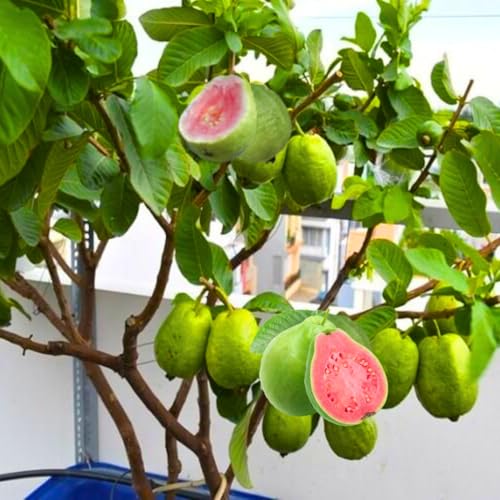
Year-Round Greenery: Keep your garden vivid and beautiful during the colder months.
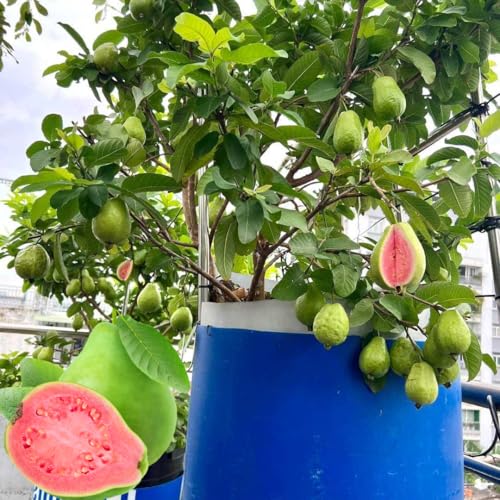
9-15" Pink Guava Plant Live Tree, Cold Hardy Live Guava Trees for Planting, Sweet Guava Tree Live Plant, No Pot

Live Pink Guava Plant Tree, Sweet Fragrant and Cold Hardy Very Well Rooted, 5 to 10 Inc Tall in 4 Inches Pot
Winter Preparation for Guava Trees
Preparation is essential for ensuring the health of your guava trees through winter. Start by pruning your trees in late fall to remove dead or diseased branches. This helps improve airflow and reduces the risk of disease. After pruning, apply a thick layer of mulch around the base to insulate the roots.
Use organic mulch like wood chips or straw.
Ensure mulch is at least 3 inches thick.
Keep mulch a few inches away from the trunk to prevent rot.
Guava Tree Winter Protection Techniques
Implementing effective winter protection strategies can safeguard your guava trees from harsh conditions. Consider wrapping the trunk with burlap to shield it from freezing temperatures. Additionally, construct a simple frame around the tree and cover it with frost cloth or plastic. This creates a greenhouse effect, trapping heat.
Use stakes to support the frame.
Ensure the covering is secure but allows for ventilation.
Remove coverings during warmer days to prevent overheating.
Winter Watering and Fertilizing for Guava Trees
Proper watering and fertilizing practices can enhance the resilience of your guava trees. During winter, reduce watering frequency to prevent root rot. Water only when the soil is dry to the touch. In late fall, apply a slow-release fertilizer to provide essential nutrients.
| Fertilizer Type | Application Rate | Timing |
|---|---|---|
| Balanced Fertilizer | 1 cup per tree | Late Fall |
| Organic Compost | 2 inches layer | Early Spring |
Pest and Disease Inspection Techniques
Maintaining the health of guava trees in Madison, WI, requires vigilance against pests and diseases, especially during the harsh winter months. Effective inspection techniques are essential for early detection and management, ensuring these tropical trees thrive despite the challenges of the Upper Midwest climate. This section outlines practical methods for identifying and addressing potential threats to your guava trees.
Even in winter, pests and diseases can pose a threat to your guava trees. Regularly inspect your trees for signs of infestation or disease. Look for:
Discoloration on leaves
Unusual growths or spots
Presence of insects
If you notice any issues, treat them promptly with appropriate organic pesticides or fungicides. Always follow the manufacturer’s instructions for application rates and timing.
Ripening Indicators for Madison Guavas
Understanding the ripening indicators for guava trees is essential for successful cultivation in Madison, WI. Given the unique climate of the Upper Midwest, recognizing these signs can help gardeners determine the optimal harvest time, ensuring the fruit reaches its peak flavor and quality. This section delves into the specific cues that indicate when guavas are ready to be picked.
Harvesting guavas in Madison requires patience and attention to detail. Guavas typically ripen in late summer to early fall. Look for these signs to determine ripeness:
Fruit color changes to yellow or green
Slight softness when gently squeezed
A sweet aroma surrounding the fruit
To harvest, use pruning shears to cut the fruit from the tree, leaving a small stem attached. Handle the fruit carefully to avoid bruising.
Guava Tree Winter Protection Guidelines
Successfully growing guava trees in Madison, WI requires careful attention to winter protection strategies. As temperatures drop in the Upper Midwest, implementing effective measures can ensure these tropical trees survive and thrive despite harsh conditions. The following guidelines will help you safeguard your guava trees during the cold months.
Do not expose guava trees to temperatures below their hardiness threshold without protection.
Winterization Techniques for Guava Trees
Successfully growing guava trees in Madison, WI requires careful attention to winterization techniques. With the region’s harsh winters, implementing effective strategies can protect these tropical plants from frost damage and ensure their survival. This section outlines essential methods to prepare guava trees for the cold months ahead, helping gardeners maintain healthy trees year after year.
By selecting the right variety and implementing effective winterization techniques, you can successfully grow guava trees in Madison, WI. Proper care will yield delicious fruit even in the Upper Midwest.
