

Star fruit trees can grow in New York, but they require specific conditions to thrive. With the right care, including temperature management and protection from harsh winters, these tropical trees can produce fruit even in less-than-ideal climates.
Star Fruit Tree Growth Conditions in New York
Star fruit trees, known for their unique flavor and striking appearance, face specific challenges when grown in New York’s climate. Understanding the ideal growth conditions, including temperature, sunlight, and soil requirements, is crucial for successfully cultivating these tropical trees in a region that is not typically conducive to their needs. This section delves into the essential factors that influence star fruit tree growth in New York.
Star fruit trees, or Averrhoa carambola, thrive in warm, humid climates. They prefer temperatures between 60°F and 70°F for optimal growth. In New York, winter temperatures can drop significantly, making it essential to provide adequate protection during colder months.
Key requirements include:
Well-draining soil
Full sunlight exposure
Regular watering without waterlogging
Optimal Soil Types for Star Fruit Trees
Understanding the optimal soil types for star fruit trees is crucial for successful cultivation, especially in a climate like New York’s. The right soil composition can significantly influence the health and productivity of these tropical trees, ensuring they thrive despite the region’s challenges. This section delves into the specific soil characteristics that best support star fruit growth.
Proper soil composition is crucial for star fruit trees. They flourish in sandy loam or loamy soils that drain well. Heavy clay soils can retain too much moisture, leading to root rot.
Optimal Soil pH for Star Fruit Trees
Understanding the optimal soil pH for star fruit trees is crucial for successful cultivation, especially in regions like New York where conditions can be challenging. This section delves into the specific pH levels that promote healthy growth and fruit production, providing expert-tested insights for gardeners eager to nurture these tropical trees in a non-tropical climate.
Test soil pH: Aim for a pH of 6.0 to 7.0.
Amend soil: Mix in organic matter like compost.
Ensure drainage: Create raised beds if necessary.
| Soil Type | Drainage Quality | Ideal pH Range |
|---|---|---|
| Sandy Loam | Excellent | 6.0-7.0 |
| Loamy | Good | 6.0-7.0 |
| Clay | Poor | 6.0-7.0 |
Winter Protection Strategies for Star Fruit Trees
Growing star fruit trees in New York presents unique challenges, particularly during the harsh winter months. To ensure these tropical plants thrive despite the cold, it’s essential to implement effective winter protection strategies. This section explores expert-tested methods to safeguard your star fruit trees and help them flourish in a less-than-ideal climate.
New York winters can be harsh, so protecting star fruit trees is vital for their survival. Consider these strategies to shield them from cold temperatures.
Winter Mulching Strategies for Star Fruit Trees
Winter mulching is crucial for protecting star fruit trees in New York’s colder climate. This section explores effective mulching strategies that can help insulate the roots and retain moisture, ensuring the trees remain healthy and resilient during harsh winter months. By implementing these expert-tested techniques, gardeners can enhance the survival chances of their star fruit trees.
Mulch: Apply a thick layer of mulch around the base to retain heat.
Frost cloth: Use frost cloths during cold snaps to cover the trees.
Indoor relocation: If possible, bring potted trees indoors during winter months.
Star Fruit Tree Watering and Fertilization Tips
Proper watering and fertilization are crucial for the health of star fruit trees, especially when growing in less-than-ideal climates like New York. Understanding the specific needs of these tropical trees can significantly impact their growth and fruit production. This section provides expert-tested tips to help you nurture your star fruit trees effectively.
Star fruit trees require consistent watering and appropriate fertilization to thrive. Overwatering can lead to root rot, while underwatering can stunt growth.
Recommended Products
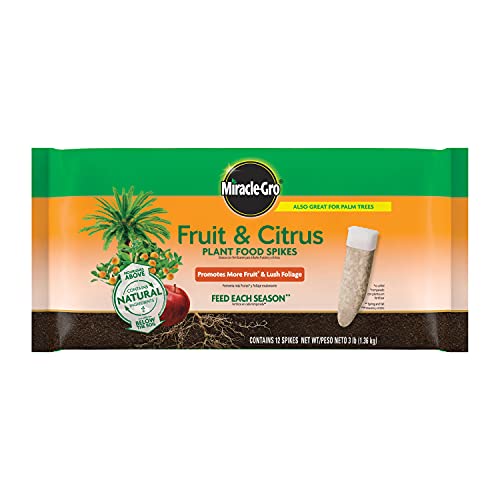
FORMULATED FOR CITRUS AND FRUIT TREES: Use these citrus fertilizer spikes on apple, orange, lemon, lime, and avocado trees; this formula is also great for feeding palm trees

Let our professionally formulated plant food help your fruit tree grow healthy, strong AND abundantly producing

Star Fruit Tree Watering Frequency
Understanding the watering frequency for star fruit trees is crucial for their successful growth, especially in regions like New York where climate conditions differ significantly from their native environments. Proper hydration not only supports healthy development but also influences fruit yield and overall tree vitality. This section delves into expert-tested guidelines to help you maintain optimal moisture levels for your star fruit trees.
Frequency: Water deeply once a week.
Signs of need: Look for drooping leaves or dry soil.
Optimal Fertilizer Timing for Star Fruit Trees
Understanding the optimal timing for fertilizing star fruit trees is crucial for their successful growth, especially in a climate like New York’s. Proper fertilization not only enhances fruit quality but also supports overall tree health. This section delves into expert-tested strategies to ensure your star fruit trees receive the nutrients they need at the right moments.
Spring: Use a balanced fertilizer high in potassium.
Summer: Apply monthly to support fruit development.
| Season | Fertilizer Type | Application Frequency |
|---|---|---|
| Spring | Balanced | Monthly |
| Summer | High Potassium | Monthly |
Pruning Techniques for Star Fruit Trees
Pruning is essential for maintaining the health and productivity of star fruit trees, especially in a challenging climate like New York’s. Understanding the right techniques can significantly influence growth, fruit quality, and overall tree vigor. This section delves into expert-tested pruning methods tailored specifically for star fruit cultivation in less-than-ideal conditions.
Regular pruning helps maintain the shape of the star fruit tree and encourages healthy growth. It also improves air circulation and light penetration.
Pruning Techniques for Star Fruit Trees
Pruning is essential for maintaining the health and productivity of star fruit trees, especially in climates like New York where conditions can be challenging. Understanding the right techniques can help ensure these trees thrive, promoting better fruit production and overall growth. This section delves into expert-tested pruning methods tailored for star fruit trees in less-than-ideal environments.
Remove dead branches: Cut away any dead or diseased wood.
Thin out crowded areas: Ensure adequate space between branches.
Shape the tree: Trim to maintain a manageable height and spread.
Pest Control Strategies for Star Fruit Trees
Maintaining the health of star fruit trees in New York requires effective pest control strategies tailored to the region’s climate and ecosystem. Understanding common pests and implementing expert-tested methods can help ensure these tropical trees thrive despite the challenges posed by a less-than-ideal environment. Here are some practical approaches to protect your star fruit trees from potential threats.
Star fruit trees can be susceptible to pests and diseases. Monitoring for signs of trouble is essential for maintaining tree health.
Recommended Products

Control diseases and insects in your garden with Captain Jack’s Fruit Tree Spray Concentrate! Use on a variety of listed fruits, nuts and citrus plants.

KILLS LISTED FRUIT & CITRUS TREE INSECTS: Controls Asian Citrus Psyllid, Whiteflies, Aphids Thrips, Citrus Leafminers, Leafhoppers, Blackfly, Mealybugs, Scales, Avocado Lacebugs, Oriental Beetles, Flea Beetles, Sharpshooters, and Spittlebugs

Control diseases and insects in your garden with Captain Jack’s Fruit Tree Spray Concentrate! Use on a variety of listed fruits, nuts and citrus plants.
Star Fruit Tree Pest Management
Managing pests is crucial for the health of star fruit trees, especially in climates like New York where they face unique challenges. Understanding the specific pests that target these trees and implementing effective control strategies can significantly enhance their growth and fruit production. This section explores expert-tested methods for keeping star fruit trees pest-free and thriving.
Scale insects: Look for sticky residue on leaves.
Aphids: Check for clusters on new growth.
Fungal Infection Prevention Strategies
Fungal infections can pose a significant threat to star fruit trees, particularly in climates like New York where humidity levels can fluctuate. Understanding effective prevention strategies is crucial for ensuring the health and productivity of these trees. This section explores expert-tested methods to safeguard your star fruit trees from fungal issues.
Fungal infections: Ensure good air circulation.
Root rot: Avoid overwatering and improve drainage.
| Pest/Disease | Symptoms | Treatment |
|---|---|---|
| Scale Insects | Sticky residue | Insecticidal soap |
| Aphids | Clusters on leaves | Neem oil spray |
| Fungal Infections | Wilting leaves | Fungicide application |
| Root Rot | Yellowing leaves | Improve drainage |
Star Fruit Tree Care in New York
Caring for star fruit trees in New York presents unique challenges due to the region’s climate. Understanding the specific needs for temperature, soil, and watering can help gardeners successfully cultivate these tropical trees. This section delves into essential care techniques tailored for New York’s environment to ensure healthy growth and fruitful harvests.
Growing star fruit trees in New York is feasible with the right care and conditions. Focus on soil quality, winter protection, and pest management for the best results.
