Close Menu
    Fruit Tree Hub
    • Home
    • Apple Trees
    • Lemon Trees
    • Mango Trees
    • Orange Trees
    • More Trees
      • Best Fruit Trees
      • Apricot Trees
      • Cherry Trees
      • Fig Trees
      • Lime Trees
      • Mulberry Trees
      • Peach Trees
      • Pear Trees
      • Plum Trees
      • Pomegranate Trees
    • Tips and Advice
      • Tools
    • About Us
      • Contact
      • Privacy Policy
    Fruit Tree Hub
    Home»Planting»Growing Apple Trees in Kansas City, MO: Regional Planting Guide
    Planting

    Growing Apple Trees in Kansas City, MO: Regional Planting Guide

    Lucy SmithBy Lucy SmithMay 10, 20255 Mins Read
    Share Facebook Twitter Pinterest WhatsApp Email
    Share
    Facebook Twitter LinkedIn Pinterest Telegram Email

    Growing apple trees in Kansas City, MO requires careful selection of varieties and attention to local climate conditions. Choosing disease-resistant varieties and understanding the optimal planting times will ensure healthy growth and fruitful harvests.

    Contents show
    1 Best Apple Varieties for Kansas City’s Climate
    2 Site Preparation for Healthy Apple Trees
    3 Apple Tree Planting Techniques for Kansas City
    4 Maintain Your Apple Trees Year-Round
    5 Local Pests and Diseases Threatening Apple Trees
    6 Apple Harvest Timing and Techniques

    Best Apple Varieties for Kansas City’s Climate

    Selecting the right apple varieties is crucial for successful cultivation in Kansas City’s unique climate. With its hot summers and cold winters, certain apple types thrive better than others, offering the best chance for fruitful harvests. This section explores the top apple varieties suited for this region, ensuring both novice and experienced gardeners can make informed choices.

    Choosing the right apple varieties is crucial for successful cultivation in Kansas City. The region’s climate features cold winters and warm summers, which can affect fruit development. Consider these varieties known for their adaptability and disease resistance:

    VarietyFlavor ProfileDisease ResistanceHarvest Time
    HoneycrispSweet, CrispHighLate September
    FujiSweet, JuicyMediumEarly October
    Granny SmithTart, CrispHighLate September
    Red DeliciousSweet, SoftMediumEarly October

    These varieties thrive in the local environment and provide diverse flavors for different uses.

    Recommended Products

    American Plant Exchange Apple Tree 'Liberty' – Live Fruit-Bearing Plant, 5-Gallon Pot, Cold-Hardy, Disease-Resistant, for Home Orchards, Backyard Gardens & Edible Landscapes
    American Plant Exchange Apple Tree 'Liberty' – Live Fruit-Bearing Plant, 5-Gallon Pot, Cold-Hardy, Disease-Resistant, for Home Orchards, Backyard Gardens & Edible Landscapes

    Live Fruit-Bearing Apple Tree – Grow your own Liberty apples, a disease-resistant variety known for its crisp texture, sweet-tart flavor, and deep red skin, perfect for fresh eating, baking, and cider-making

    MUST READ
    Apple Trees in Nebraska: Protecting Trees From High Wind
    VIEW LATEST PRICE

    As an affiliate, we earn on qualifying purchases.

    Apples of North America: A Celebration of Exceptional Varieties
    Apples of North America: A Celebration of Exceptional Varieties
    VIEW LATEST PRICE

    As an affiliate, we earn on qualifying purchases.

    American Plant Exchange Apple Tree 'Enterprise' – Live Fruit-Bearing Plant, 5-Gallon Pot, Cold-Hardy, Disease-Resistant, Crisp Tart Red Harvest for Orchards, Backyard Gardens & Edible Landscapes
    American Plant Exchange Apple Tree 'Enterprise' – Live Fruit-Bearing Plant, 5-Gallon Pot, Cold-Hardy, Disease-Resistant, Crisp Tart Red Harvest for Orchards, Backyard Gardens & Edible Landscapes

    Crisp, Tart & Juicy Apples – Produces deep red apples with a firm texture and mildly tart flavor that sweetens in storage, making them perfect for fresh eating, baking, and cider-making

    VIEW LATEST PRICE

    As an affiliate, we earn on qualifying purchases.

    Site Preparation for Healthy Apple Trees

    Preparing the right site is crucial for the successful growth of apple trees in Kansas City. This section outlines essential steps to ensure optimal soil conditions, sunlight exposure, and drainage, all of which contribute to the health and productivity of your apple trees. Proper site preparation lays the foundation for a thriving orchard in the unique climate of the region.

    A well-prepared site is essential for healthy apple trees. Choose a location with full sun exposure and well-drained soil. Follow these steps to prepare the site:

    1. Clear the area of weeds and debris.

    2. Test the soil pH, aiming for a range of 6.0 to 7.0.

    3. Amend the soil with organic matter to improve drainage and nutrient content.

    Proper preparation sets the foundation for strong root development and overall tree health.

    Recommended Products

    NewTest Soil pH Test Kit: Upgraded 125 Soil pH Test Strips with Measuring Cylinders for Accurate Testing pH Level of Garden Lawn Grass Flower Vegetable Compost Dirt (125)
    NewTest Soil pH Test Kit: Upgraded 125 Soil pH Test Strips with Measuring Cylinders for Accurate Testing pH Level of Garden Lawn Grass Flower Vegetable Compost Dirt (125)

    How to Accurately Test Garden's Soil pH? Many growers do not able to use the correct tools and methods to obtain accurate soil ph values; NewTest soil ph test kit includes upgraded soil ph test strips, measuring cylinders, and instructions for professional testing methods; it allows even beginners to easily and accurately obtain soil ph values

    MUST READ
    Can Avocado Trees Grow in Memphis, TN? (Mid-South Success Secrets)
    VIEW LATEST PRICE

    As an affiliate, we earn on qualifying purchases.

    SONKIR Soil pH Meter, MS02 3-in-1 Soil Moisture/Light/pH Tester Gardening Tool Kits for Plant Care, Great for Garden, Lawn, Farm, Indoor & Outdoor Use (Green)
    SONKIR Soil pH Meter, MS02 3-in-1 Soil Moisture/Light/pH Tester Gardening Tool Kits for Plant Care, Great for Garden, Lawn, Farm, Indoor & Outdoor Use (Green)

    Kindly NOTE: This soil tester can not be applied to test pH value of any other liquid. If the soil is too dry the indicator will not move, and water it before testing.

    VIEW LATEST PRICE

    As an affiliate, we earn on qualifying purchases.

    MySoil Soil Test Kit, Unlock Your Lawn & Garden Potential, Complete & Accurate Nutrient and pH Analysis with Recommendations Tailored to Your Soil and Plant Needs
    MySoil Soil Test Kit, Unlock Your Lawn & Garden Potential, Complete & Accurate Nutrient and pH Analysis with Recommendations Tailored to Your Soil and Plant Needs

    KNOW BEFORE YOU GROW | Grow the healthiest, sustainable lawn and garden with the most accurate and easy to use professional soil test kit on the market

    VIEW LATEST PRICE

    As an affiliate, we earn on qualifying purchases.

    Apple Tree Planting Techniques for Kansas City

    When planting apple trees in Kansas City, understanding the local climate and soil conditions is essential for success. This section outlines effective techniques tailored to the region, ensuring that your apple trees thrive and produce a bountiful harvest. By following these guidelines, you can cultivate healthy trees that are well-suited to the unique challenges of Kansas City’s environment.

    Planting apple trees correctly ensures robust growth. Follow these steps for successful planting:

    1. Dig a hole twice as wide as the root ball and the same depth.

    2. Place the tree in the hole, ensuring the graft union is above soil level.

    3. Backfill the hole with soil, gently tamping down to remove air pockets.

    4. Water thoroughly to settle the soil around the roots.

    MUST READ
    Apricot Trees in Chicago, IL (Winter Protection for Urban Trees)

    Timing is critical. Plant in early spring or fall for the best results.

    Maintain Your Apple Trees Year-Round

    Maintaining apple trees year-round is essential for ensuring healthy growth and a bountiful harvest in Kansas City’s unique climate. Regular care, including pruning, pest management, and proper watering, will help your trees thrive through the changing seasons. This section outlines the key practices to keep your apple trees in optimal condition throughout the year.

    Ongoing care is vital for healthy apple trees. Implement these maintenance practices:

    • Prune trees annually to promote airflow and remove dead or diseased branches.

    • Fertilize in early spring with a balanced fertilizer to support growth.

    • Monitor for pests and diseases, applying organic treatments as needed.

    Regular maintenance helps prevent issues and maximizes fruit production.

    Local Pests and Diseases Threatening Apple Trees

    In Kansas City, apple trees face unique challenges from local pests and diseases that can hinder their growth and fruit production. Understanding these threats is crucial for successful cultivation, allowing gardeners to take proactive measures to protect their trees. This section outlines the most common pests and diseases affecting apple trees in the region, along with strategies for management and prevention.

    Kansas City’s climate can attract specific pests and diseases that threaten apple trees. Be vigilant and take action to protect your trees. Common threats include:

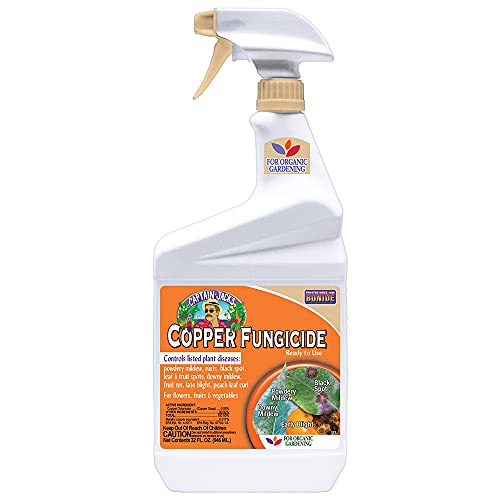
    • Apple Scab: A fungal disease causing dark spots on leaves. Treat with fungicides and remove infected leaves.

    • Coddling Moth: Larvae can damage fruit. Use traps or organic insecticides to control populations.

    • Aphids: These pests can weaken trees. Introduce beneficial insects or apply insecticidal soap.

    MUST READ
    Best Fruit Trees for Charlotte, NC: Piedmont Planting Success

    Understanding these threats allows for proactive management.

    Apple Harvest Timing and Techniques

    Understanding the timing and techniques for harvesting apples is crucial for successful cultivation in Kansas City. This section delves into the best practices for determining when to pick your apples, ensuring optimal flavor and quality. By following these guidelines, you can maximize your yield and enjoy the fruits of your labor.

    Knowing when and how to harvest your apples ensures the best flavor and quality. Follow these guidelines:

    • Check for firmness and color; apples should be fully colored and slightly soft to the touch.

    • Twist the apple gently to detach it from the tree, avoiding damage to the stem.

    • Store apples in a cool, dark place to prolong freshness.

    Enjoy the fruits of your labor by using them in various recipes or fresh eating.

    Share. Facebook Twitter Pinterest LinkedIn Tumblr Email
    lucy smith
    Lucy Smith
    • Website

    Lucy Smith is a highly experienced horticulturist with a passion for fruit tree cultivation. She holds a degree in Horticulture from the University of California, Davis, and has worked in various roles in the industry. With over 10 years of experience, Lucy is dedicated to using eco-friendly methods for sustainable gardening practices.

    Related Posts

    Can Tamarind Trees Grow in Connecticut? Regional Success Tips

    May 21, 2026

    Can Jujube Trees Grow in Hawaii? Tropical Growing Secrets

    May 21, 2026

    Can Loquat Trees Grow in Ohio? Buckeye State Success Manual

    May 21, 2026

    Growing Quince Trees in Arkansas (Successful Growth Guide)

    May 21, 2026

    Pear Trees in a Pot in Kentucky (Bluegrass Regional Advice)

    May 21, 2026

    Growing Walnut Trees in Pennsylvania: Professional Guide

    May 21, 2026
    Leave A Reply Cancel Reply

    Affiliate Disclosure

    As an Amazon Associate I earn from qualifying purchases.

    Recommended Reading

    How to Prune a Pomegranate Tree for Fruit: Essential Techniques for Maximum Yield

    Is Loquat Wood Suitable for Furniture

    Can Walnut Trees Grow in Phoenix, AZ? Desert Sun Care

    What Fruit Trees Grow Well in Alabama: Top Varieties for a Bountiful Harvest

    Growing Banana Trees in Garland, TX: Dallas County Secrets

    Should I Cut Down My Banana Tree After Fruiting: Essential Tips for Gardeners

    Where Do Papaya Trees Grow Best

    Orange Trees in a Pot in Nebraska (Wind and Soil Management)

    Can Guava Trees Survive Frost

    When and How to Prune Your Nectarine Tree for Healthy Growth and Fruitfulness

    Fruit Tree Hub

    Fruit Tree Hub is a website dedicated to providing you everything you need to grow fruit trees successfully at in your own yard.

    Contact us at: [email protected]

    - AFFILIATE DISCLOSURE: As an Amazon Associate I earn from qualifying purchases.

    Latest Posts

    Can Tamarind Trees Grow in Connecticut? Regional Success Tips

    Can Jujube Trees Grow in Hawaii? Tropical Growing Secrets

    Can Loquat Trees Grow in Ohio? Buckeye State Success Manual

    Growing Quince Trees in Arkansas (Successful Growth Guide)

    Pear Trees in a Pot in Kentucky (Bluegrass Regional Advice)

    Growing Walnut Trees in Pennsylvania: Professional Guide

    Can Jujube Trees Grow in Corpus Christi, TX? Salt-Tolerant

    Nectarine Trees in a Pot in Kentucky (Bluegrass Regional Advice)

    Categories
    • Almond Trees
    • Apple Trees
    • Apricot Trees
    • Best Fruit Trees
    • Blackberry
    • Cantaloupe
    • Cherry Trees
    • Crochet Ideas
    • Crochet Ideas for Beginners
    • Cucamelon
    • Easy Crochet Ideas
    • Easy Knitting Projects
    • Fig Trees
    • Grapefruit Trees
    • Grapes
    • Guava Trees
    • Honeydew
    • Jujube Trees
    • Kiwi
    • Knitting For Beginners
    • Knitting Ideas
    • Knitting Inspiration
    • Lemon Trees
    • Lime Trees
    • Loquat Trees
    • Mango Trees
    • Mulberry Trees
    • Nectarine Trees
    • Olive Trees
    • Orange Trees
    • Papaya Trees
    • Peach Trees
    • Pear Trees
    • Persimmon Trees
    • Planting
    • Plum Trees
    • Pomegranate Trees
    • Quince Trees
    • Raspberry
    • Reviews
    • Small Crochet Ideas
    • Star Fruit Trees
    • Summer Crochet Ideas
    • Tamarind Trees
    • Tangerine Trees
    • Tips and Advice
    • Tools
    • Uncategorized
    • Walnut Trees
    © 2026 Fruit Tree Hub
    • Home
    • About Us
    • Contact
    • Privacy Policy
    • Terms and Conditions
    • Disclaimer
    • Editorial Policy
    • Affiliate Disclosure

    Type above and press Enter to search. Press Esc to cancel.