

Guava trees can thrive in Oklahoma City with proper wind protection. Utilizing specific planting strategies and protective measures ensures healthy growth and fruit production in this region.
Selecting Wind-Resistant Guava Varieties for Oklahoma City
Choosing the right guava tree variety is essential for successful cultivation in Oklahoma City. Varieties such as the Tropical Pink and White Indian are known for their resilience against wind and adverse weather conditions. These varieties can withstand the local climate while providing delicious fruit.
Recommended Products

READY TO PLANT: These 3 thriving Pineapple Guava saplings (Feijoa Sellowiana variety) arrive in 2.5-inch nursery cubes, ready to plant. These versatile, tropical (and pet-safe!) evergreen trees and shrubs offer year-round beauty and fruit in any home.

Suitable for tropical and warm climates
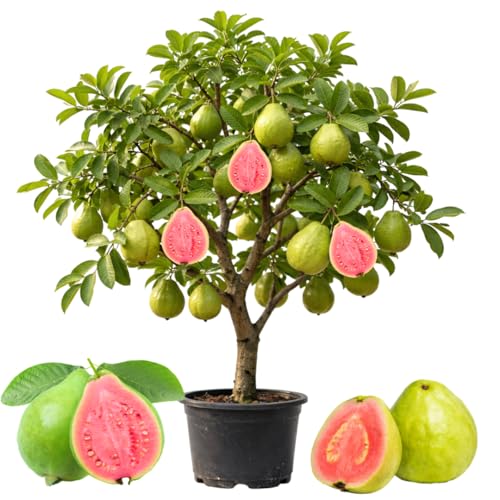
Guava Variety Wind Resistance Insights
Understanding the wind resistance of different guava varieties is crucial for successful cultivation in Oklahoma City, where high winds can pose challenges. This section delves into the specific characteristics of various guava types, highlighting their resilience against strong gusts and offering insights for gardeners aiming to protect their plants effectively.
| Variety | Wind Resistance | Fruit Flavor | Growth Habit |
|---|---|---|---|
| Tropical Pink | High | Sweet | Upright |
| White Indian | Moderate | Mild | Spreading |
Wind Protection Techniques for Guava Trees
Guava trees, while resilient, can be vulnerable to the high winds often experienced in Oklahoma City. Implementing effective wind protection techniques is essential for ensuring their health and productivity. This section explores various strategies to shield guava trees from harsh gusts, helping gardeners maintain robust and thriving plants.
Wind protection is crucial for the health of guava trees. Erecting barriers and selecting appropriate planting locations can significantly reduce wind damage. Consider using natural windbreaks such as hedges or fences.
Effective Windbreak Hedges for Guava Trees
In Oklahoma City, the unique climate poses challenges for guava trees, particularly from high winds. Implementing effective windbreak hedges can significantly enhance their resilience and promote healthy growth. This section explores various hedge options that provide optimal protection for guava trees in this region.
Hedges: Dense shrubs that absorb wind.
Fences: Solid structures that redirect airflow.
Planting Trees: Positioning taller trees to shield smaller guavas.
Guava Tree Planting for Wind Protection
Planting guava trees in Oklahoma City can provide an effective natural barrier against high winds. Their dense foliage not only offers protection to more vulnerable plants but also contributes to the overall resilience of your garden. Understanding the best practices for planting these trees will help ensure they thrive while safeguarding your landscape from harsh weather conditions.
Proper planting techniques enhance the wind resistance of guava trees. Space trees adequately to promote airflow and reduce stress during storms. Planting in a sheltered area can also provide additional protection.
Recommended Products

Supports Flowering & Fruit Production – Helps encourage strong flowering, fruit set, and consistent guava development.

High Nutritional Value: Guava fruit is packed with vitamins, particularly vitamin C, antioxidants, fiber, and essential minerals, making it a nutritious addition to any diet.

PINK GUAVA TREE STARTER – TROPICAL FRUIT VARIETY: Grown for its pink-fleshed guava fruit at maturity and attractive green foliage, offering both decorative and productive value
Optimal Planting Techniques for Guava Trees
When planting guava trees in Oklahoma City, it’s essential to consider techniques that promote healthy growth while providing protection against high winds. Understanding the optimal planting practices can significantly enhance the resilience of these trees, ensuring they thrive in the region’s challenging weather conditions. This section outlines effective strategies for planting guava trees successfully.
Select a Location: Choose a site with some natural windbreaks.
Prepare the Soil: Ensure well-draining soil with organic matter.
Space Trees: Maintain a distance of 10-15 feet between each tree.
Mulch: Apply a layer of mulch to retain moisture and stabilize soil temperature.
Environmental Factors Impacting Guava Growth
Understanding the environmental factors that influence guava tree growth is crucial for successful cultivation in Oklahoma City. This section delves into how local climate conditions, soil quality, and wind exposure specifically affect the health and productivity of guava trees, providing insights for both novice and experienced gardeners in the region.
Regular monitoring of environmental factors is essential for the health of guava trees. Wind speed, soil moisture, and temperature can all impact growth and fruit production.
Wind and Soil Conditions for Guava Trees
Understanding the wind and soil conditions is crucial for successfully growing guava trees in Oklahoma City. These factors significantly influence the health and productivity of the trees, especially given the region’s unique climate challenges. Proper assessment and management can enhance growth and fruit yield, ensuring a thriving guava garden.
| Factor | Ideal Range | Monitoring Method |
|---|---|---|
| Wind Speed | Below 20 mph | Anemometer |
| Soil Moisture | 20-30% | Soil Moisture Meter |
| Temperature | 70-85°F | Thermometer |
Choose the Right Fertilizers for Growth
Selecting the appropriate fertilizers is crucial for the healthy growth of guava trees in Oklahoma City, particularly given the region’s unique climate challenges. The right nutrients can enhance resilience against high winds and promote robust development, ensuring the trees thrive despite environmental stresses. Understanding the specific needs of guava trees will help optimize their growth and fruit production.
Fertilizing guava trees appropriately promotes healthy growth and fruiting. Use a balanced fertilizer with micronutrients to ensure optimal health.
Optimal Fertilizer Choices for Guava Trees
Choosing the right fertilizer is crucial for the health and productivity of guava trees, especially in Oklahoma City’s unique climate. Understanding the specific nutrient needs can help ensure robust growth and fruiting, while also providing resilience against environmental stressors. This section will explore the optimal fertilizer options tailored for guava trees in this region.
Slow-Release Fertilizer: Provides nutrients over time.
Organic Compost: Improves soil structure and nutrient content.
Liquid Fertilizer: Quick nutrient absorption for immediate needs.
Pest Management Strategies for Guava Trees
Effective pest management is crucial for maintaining the health of guava trees in Oklahoma City, particularly given the region’s unique climate and potential pest pressures. This section outlines various strategies to protect these trees from common pests, ensuring they thrive despite environmental challenges. Implementing these methods can help cultivate robust and fruitful guava trees in urban settings.
Pest and disease management is vital for maintaining healthy guava trees. Regular inspections and timely interventions can prevent significant damage.
Pest Management Strategies for Guava Trees
Effective pest management is crucial for maintaining the health of guava trees in Oklahoma City, where environmental conditions can attract various pests. Understanding the specific threats these trees face and implementing targeted strategies can significantly enhance their resilience and productivity. This section explores practical approaches to safeguard guava trees against common pests in the region.
| Pest | Symptoms | Treatment |
|---|---|---|
| Aphids | Curling leaves | Insecticidal soap |
| Scale Insects | Sticky residue | Neem oil |
| Fungal Diseases | Leaf spots | Fungicide application |
Maintain Regular Pruning Practices
Regular pruning is essential for guava trees in Oklahoma City, especially to ensure their resilience against high winds. By strategically trimming branches, you can enhance the tree’s structure and reduce wind resistance, promoting healthier growth and fruit production. Implementing consistent pruning practices will help maintain the overall health and stability of your guava trees in this challenging environment.
Pruning guava trees is essential for maintaining shape and encouraging fruit production. Regularly removing dead or diseased branches improves airflow and reduces disease risk.
Guava Tree Pruning Techniques for Wind Protection
Pruning guava trees is essential for enhancing their resilience against high winds, especially in areas like Oklahoma City. Proper techniques not only promote healthy growth but also help maintain a sturdy structure that can withstand harsh weather conditions. Understanding these methods can significantly improve the longevity and productivity of your guava trees.
Assess the Tree: Identify branches that need removal.
Use Sharp Tools: Ensure all tools are clean and sharp.
Cut at an Angle: Make cuts at a 45-degree angle to prevent water accumulation.
Remove Suckers: Eliminate any growth from the base of the tree.
Irrigation Strategies for Guava Tree Health
Irrigation is crucial for maintaining the health of guava trees, especially in the unique climate of Oklahoma City. Understanding effective watering techniques can enhance growth and fruit production while ensuring the trees withstand environmental stresses. This section explores various irrigation strategies tailored for guava trees to thrive in this region.
Irrigation is crucial for guava tree health, especially during dry spells. Implementing efficient watering techniques ensures trees receive adequate moisture without waterlogging.
Drip Irrigation for Guava Tree Health
Drip irrigation is essential for maintaining the health of guava trees, especially in the challenging climate of Oklahoma City. This method ensures that the trees receive a consistent and efficient water supply, promoting robust growth and fruit production while minimizing water waste. Understanding the specific needs of guava trees can help gardeners implement effective irrigation strategies.
Drip Irrigation: Delivers water directly to the roots.
Soaker Hoses: Provides slow, consistent moisture.
Rainwater Harvesting: Collects and stores rain for irrigation use.
Regularly implementing these strategies will enhance the growth and fruit production of guava trees in Oklahoma City while protecting them from high winds.
