

Growing star fruit trees in pots in Vermont is feasible with the right care and techniques. To thrive in a cold climate, these trees require specific potting strategies and protection from harsh winter conditions.
Choosing the Ideal Container for Star Fruit Trees
Choosing the appropriate pot is crucial for the health of your star fruit tree. A pot that is too small restricts root growth, while one that is too large can lead to overwatering. Opt for a container that is at least 12-16 inches deep and has drainage holes to prevent water accumulation.
Best Pot Materials for Cold-Climate Trees
Choosing the right pot material is crucial for successfully growing star fruit trees in Vermont’s cold climate. The pot not only supports the tree’s growth but also helps regulate temperature and moisture levels. Understanding the benefits and drawbacks of various materials will ensure your tree thrives despite the challenges of colder weather.
The material of the pot affects insulation and moisture retention. Consider these options:
Terracotta: Good for drainage but may require more frequent watering.
Plastic: Lightweight and retains moisture well.
Ceramic: Offers aesthetic appeal and insulation but can be heavy.
| Pot Material | Insulation | Weight | Drainage |
|---|---|---|---|
| Terracotta | Moderate | Heavy | Excellent |
| Plastic | Low | Light | Good |
| Ceramic | High | Very Heavy | Moderate |
Ideal Soil Blend for Star Fruit Trees
Choosing the right soil blend is crucial for the health and productivity of star fruit trees grown in pots, especially in Vermont’s cold climate. The ideal mix not only supports proper drainage but also retains essential moisture and nutrients. Understanding the specific soil requirements will help ensure your star fruit trees thrive despite the challenges of colder temperatures.
The right soil mix is essential for your star fruit tree to flourish. A well-draining mix prevents root rot while providing necessary nutrients.
Optimal Soil Mix for Star Fruit Pots
Choosing the right soil mix is crucial for the health of star fruit trees grown in pots, especially in Vermont’s cold climate. The ideal blend will ensure proper drainage and nutrient retention, allowing these tropical plants to thrive despite the challenges posed by lower temperatures. Understanding the specific needs of star fruit trees will help you create a suitable environment for growth.
Combine the following components for an effective soil mix:
Potting soil: Provides a nutrient base.
Perlite or pumice: Enhances drainage.
Coconut coir: Retains moisture without becoming soggy.
Star Fruit Potting Mix Soil Ratios
Choosing the right potting mix is essential for growing star fruit trees in Vermont’s cold climate. The soil ratios you use can significantly impact the health and productivity of your tree, ensuring it thrives despite the challenges of cooler temperatures. Here’s a detailed look at the ideal soil composition for successful potting.
A good ratio for a star fruit tree potting mix is:
50% potting soil
30% perlite or pumice
20% coconut coir
Cold Climate Protection for Star Fruit Trees
Growing star fruit trees in Vermont presents unique challenges due to the cold climate. Protecting these tropical plants from harsh winter conditions is essential for their survival and productivity. This section outlines effective strategies to ensure your potted star fruit trees thrive despite the frigid temperatures.
Vermont winters can be harsh, so protecting your star fruit tree from freezing temperatures is vital. Consider these strategies to ensure survival through the cold months.
Pot Insulation Methods for Cold Climates
When growing star fruit trees in pots in Vermont, protecting the roots from cold temperatures is crucial for their survival. Effective pot insulation methods can help maintain soil warmth and prevent frost damage, ensuring your trees thrive even in harsh winter conditions. Explore various techniques to safeguard your potted star fruit trees and promote healthy growth year-round.
Wrap the pot: Use burlap or bubble wrap to insulate the pot.
Move indoors: If possible, bring the pot inside during extreme cold.
Use a heat mat: Place a heat mat under the pot to maintain a stable temperature.
Watering Techniques for Star Fruit in Winter
Successfully growing star fruit trees in pots during Vermont’s cold winters requires careful attention to watering techniques. As temperatures drop, the needs of the tree change, making it essential to adjust your watering routine to prevent overwatering and ensure healthy growth. Understanding these specific techniques will help you maintain the vitality of your star fruit tree throughout the winter months.
Proper watering is essential for your star fruit tree during winter. Overwatering can lead to root rot, especially in cold conditions.
Recommended Products
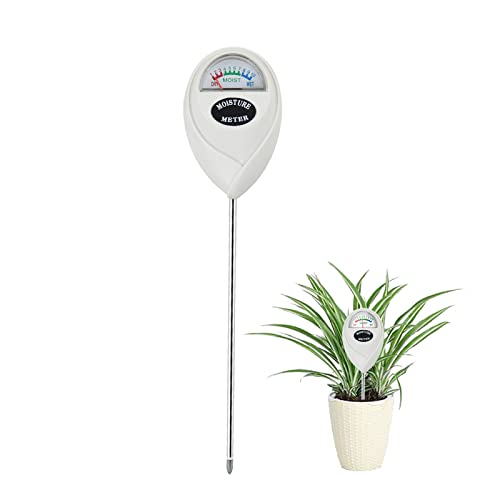
【SAVE YOUR PLANTS】: Over watering can cause problems with your plants or even kill them. This soil moisture meter helps you know the soil is dry, moist or wet.No more over watering!
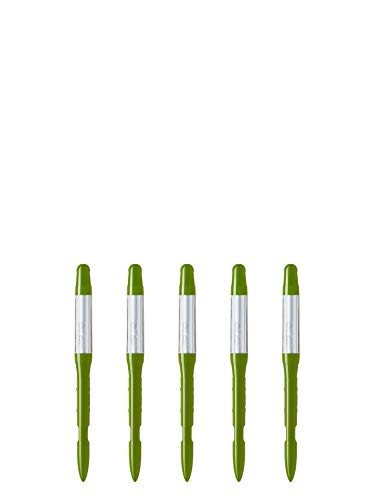
Dimensions: 0.4 x 0.3 x 4.7 inches (small) - Intended for pot sizes of 2, 2.5, and 3 - Ideal for small succulents

Accurate Soil Moisture Detection: The XLUX Soil Moisture Meter can tell you if the soil deep inside your pot or garden is dry, moist or wet; whereas your eyes and fingers can only determine the moisture level of the soil surface. The probe is 5.5 inches (14 cm) longer than regular styles, allowing it to measure the soil moisture at the bottom of larger and deeper flower pots.
Soil Moisture Testing for Star Fruit Trees
Understanding soil moisture is crucial for the health of star fruit trees, especially when grown in pots in Vermont’s cold climate. Proper moisture levels ensure that these tropical plants thrive despite the challenges of cooler temperatures. This section will explore effective methods for testing soil moisture to maintain optimal growing conditions for your star fruit trees.
Check soil moisture: Use your finger to test the top inch of soil.
Water sparingly: Only water when the soil feels dry to the touch.
Avoid watering at night: Watering in the morning helps prevent freezing.
Fertilizer Choices for Star Fruit Trees
Selecting the right fertilizer is crucial for the health and productivity of star fruit trees grown in pots, especially in Vermont’s cold climate. The unique challenges posed by lower temperatures and shorter growing seasons require careful consideration of nutrient needs to ensure optimal growth and fruiting. This section explores effective fertilizer options tailored for these conditions.
Regular fertilization supports the growth of your star fruit tree. In cold climates, the timing and type of fertilizer matter significantly.
Best Fertilizers for Potted Star Fruit Trees
Choosing the right fertilizer is crucial for the health and productivity of potted star fruit trees, especially in Vermont’s cold climate. The right nutrients can enhance growth and fruiting, ensuring your tree thrives despite the challenges of cooler temperatures. This section explores the best fertilizer options tailored for these unique conditions.
Use a balanced fertilizer with the following characteristics:
N-P-K ratio: Look for a ratio of 10-10-10 or similar.
Slow-release formula: This ensures a steady supply of nutrients.
Organic options: Consider compost or well-rotted manure for natural nutrients.
Fertilizer Application Timing for Star Fruit Trees
Understanding the optimal timing for fertilizer application is crucial for the health and productivity of star fruit trees grown in pots, especially in Vermont’s cold climate. Proper fertilization not only supports growth but also enhances fruit quality, making it essential for gardeners to align their feeding schedule with the trees’ specific needs throughout the seasons.
Spring: Apply fertilizer as new growth begins.
Summer: Fertilize every 6-8 weeks during the growing season.
Fall: Reduce or stop fertilizing as growth slows.
Pest Control Strategies for Star Fruit Trees
Managing pests is crucial for the health of star fruit trees, especially when grown in pots in Vermont’s cold climate. Understanding common pests and effective control strategies will help ensure these tropical trees thrive despite the challenges posed by their environment. This section explores practical approaches to protect your star fruit trees from potential infestations.
Keeping your star fruit tree healthy involves monitoring for pests and diseases. Early detection can prevent serious issues.
Pests Affecting Star Fruit Trees
Star fruit trees, while beautiful and unique, can face various pest challenges, especially when grown in pots in colder climates like Vermont. Understanding the specific pests that target these trees is crucial for maintaining their health and ensuring a fruitful harvest. This section explores the common pests that affect star fruit trees and offers practical solutions for management.
Aphids: Small insects that can weaken the tree.
Spider mites: Cause leaf discoloration and damage.
Scale insects: Can cover branches and leaves, leading to decline.
Air Circulation for Healthy Star Fruit Trees
Proper air circulation is essential for the health of star fruit trees, especially when grown in pots in Vermont’s cold climate. Ensuring adequate airflow not only helps prevent disease but also promotes robust growth and fruit production. Understanding how to optimize air circulation can make a significant difference in the success of your star fruit cultivation.
Ensure good air circulation: Space pots adequately.
Inspect regularly: Check for signs of pests or disease.
Use organic pesticides: Apply as needed to control infestations.
Successful Star Fruit Tree Care in Pots
Growing star fruit trees in pots in Vermont requires careful planning and attention to detail. Ensure you follow the guidelines for pot selection, soil mix, winter protection, watering, fertilization, and pest management. This diligence will lead to a thriving tree that can produce fruit in the right conditions.
