

Growing apple trees in Wisconsin requires selecting cold-hardy varieties and employing specific cultivation techniques. Proper site selection, soil preparation, and pest management are crucial for successful growth in this cold climate.
Cold-Hardy Apple Varieties for Wisconsin
When selecting apple varieties for Wisconsin’s cold climate, it’s essential to focus on those that can withstand harsh winters and thrive in shorter growing seasons. Cold-hardy apple varieties not only survive the frigid temperatures but also produce quality fruit, making them ideal for home gardeners and commercial growers alike in this region.
Choosing the right apple variety is essential for thriving in Wisconsin’s cold climate. Cold-hardy varieties can withstand harsh winters and produce fruit in the short growing season. Some recommended varieties include:
Honeycrisp
Haralson
Cortland
SweeTango
These varieties are known for their resilience and flavor, making them ideal for home orchards.
Recommended Products

Live Fruit-Bearing Apple Tree – Grow your own Liberty apples, a disease-resistant variety known for its crisp texture, sweet-tart flavor, and deep red skin, perfect for fresh eating, baking, and cider-making
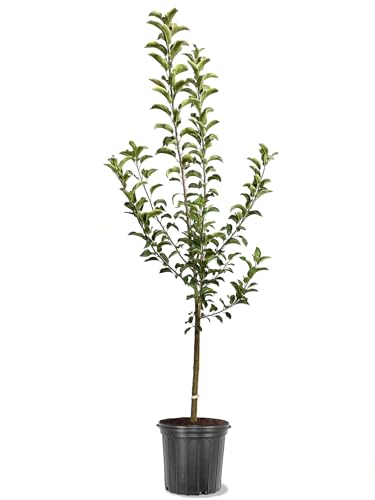
Crisp, Sweet Apples: Produces large, juicy apples with a perfect balance of sweetness and tartness, ideal for fresh eating and baking.

Live Fruit-Bearing Apple Tree – Grow your own crisp, tart Granny Smith apples right at home. This self-pollinating, high-yield apple tree produces firm, green apples perfect for fresh eating, baking, and cider-making
Site Preparation for Apple Tree Success
Preparing the right site is crucial for successful apple tree cultivation in Wisconsin’s cold climate. This section outlines essential steps to ensure optimal soil conditions, drainage, and sunlight exposure, all of which contribute to healthy growth and fruitful harvests. By following these guidelines, you can create an ideal environment for your apple trees to thrive.
The planting site plays a critical role in the health of your apple trees. A well-drained location with full sun exposure is ideal. Follow these steps for optimal site preparation:
Choose a location with at least six hours of sunlight daily.
Test the soil for pH levels, aiming for a range of 6.0 to 7.0.
Amend the soil with organic matter such as compost or well-rotted manure to improve drainage and fertility.
Apple Tree Soil Preparation Methods
Preparing the right soil is essential for successful apple tree cultivation in Wisconsin’s cold climate. The following methods focus on enhancing soil quality and ensuring optimal drainage, nutrient availability, and pH balance, all of which are critical for healthy tree growth and fruit production. Understanding these preparation techniques will set the foundation for thriving apple orchards.
Soil preparation is vital for successful apple tree growth. Here are effective techniques:
Tilling: Loosen the soil to a depth of 12-15 inches.
Adding amendments: Incorporate organic matter to enhance soil structure.
Testing drainage: Ensure water does not pool in the planting area.
| Soil Amendment | Purpose | Application Rate |
|---|---|---|
| Compost | Nutrient enhancement | 2-3 inches |
| Lime | pH adjustment | As needed |
| Mulch | Moisture retention | 3-4 inches |
Wisconsin Apple Tree Planting Techniques
Planting apple trees in Wisconsin requires careful consideration of the state’s unique climate and soil conditions. Successful techniques involve selecting the right varieties, understanding planting depths, and implementing proper spacing to ensure healthy growth. This section will explore effective strategies tailored to Wisconsin’s cold-weather environment, helping both novice and experienced gardeners cultivate thriving apple orchards.
Planting apple trees correctly sets the foundation for their growth. Follow these steps to ensure proper planting:
Dig a hole twice as wide and as deep as the root ball.
Place the tree in the center of the hole, ensuring the graft union is above soil level.
Backfill the hole with soil, gently tamping to remove air pockets.
Water thoroughly to settle the soil around the roots.
Post-Planting Care Techniques for Apples
Once your apple trees are planted, proper care is essential for their healthy growth, especially in Wisconsin’s cold climate. This section outlines effective post-planting techniques that will help ensure your trees thrive, focusing on watering, mulching, and pest management to support their development in challenging conditions.
After planting, focus on care to promote healthy growth. Key practices include:
Watering: Provide consistent moisture, especially during dry spells.
Mulching: Apply organic mulch to retain soil moisture and suppress weeds.
Fertilizing: Use a balanced fertilizer in early spring to support growth.
Pest Control Strategies for Apple Trees
Effective pest control is crucial for the successful cultivation of apple trees in Wisconsin’s challenging climate. This section explores various strategies tailored to combat common pests that threaten apple orchards, ensuring healthy growth and a bountiful harvest. By implementing these methods, growers can protect their trees and enhance fruit quality throughout the growing season.
Pest and disease management is crucial for maintaining healthy apple trees. Regular monitoring and preventive measures can minimize issues. Key pests include:
Apple Maggot
Codling Moth
Aphids
Implement the following strategies for effective management:
Regular inspections: Check for signs of pests or disease weekly.
Organic pesticides: Use neem oil or insecticidal soap as needed.
Cultural practices: Clean up fallen fruit and debris to reduce pest habitats.
Seasonal Apple Tree Care Tasks
Caring for apple trees in Wisconsin requires a keen understanding of seasonal tasks that ensure healthy growth and fruitful yields. Each season presents unique challenges and opportunities, from planting and pruning to pest management and harvesting. This section outlines essential care tasks tailored to the cold climate, helping you cultivate thriving apple trees year-round.
Understanding seasonal care is essential for apple tree health. Here are seasonal tasks to prioritize:
Spring: Prune dead or diseased branches and apply fertilizer.
Summer: Monitor for pests and maintain mulch coverage.
Fall: Harvest fruit and prepare trees for winter by mulching around the base.
Apple Harvest Timing and Quality Guidelines
Understanding when to harvest apples is crucial for maximizing both yield and quality in Wisconsin’s unique climate. This section provides essential guidelines on the timing of apple harvests, helping growers determine the optimal moment to pick their fruit for the best flavor and storage potential. By following these recommendations, you can ensure a successful apple season.
Harvesting apples at the right time ensures optimal flavor and quality. Follow these guidelines for harvesting:
Check color: Apples should have a rich color, specific to the variety.
Test firmness: Gently squeeze an apple; it should feel firm.
Twist and lift: Harvest by twisting the apple off the branch.
Apple Storage Methods for Cold Climates
In Wisconsin’s cold climate, proper apple storage is essential to preserve the fruit’s quality and flavor throughout the winter months. This section explores effective methods tailored for colder regions, ensuring that your harvested apples remain fresh and delicious long after picking. Understanding these techniques can significantly enhance your apple storage experience and reduce waste.
Proper storage extends the shelf life of harvested apples. Use these techniques:
Cool temperatures: Store apples in a cool, dark place.
Humidity control: Maintain humidity levels around 90%.
Regular checks: Inspect stored apples for spoilage and remove affected fruit.
Apple Tree Cultivation Tips for Wisconsin
Cultivating apple trees in Wisconsin requires careful consideration of the state’s unique climate and soil conditions. This section offers practical tips tailored for local growers, focusing on the best varieties, planting techniques, and maintenance practices to ensure healthy trees and a fruitful harvest. Whether you are a novice or an experienced gardener, these insights will help you thrive in apple cultivation.
Growing apple trees in Wisconsin demands careful planning and attention to detail. Select the right varieties and prepare the soil properly. Implement pest management strategies to ensure a fruitful harvest.
