

Growing nectarine trees in a pot in Rhode Island is feasible and rewarding, even in small spaces. With the right care and conditions, these trees can thrive, producing delicious fruit while enhancing your garden’s aesthetic.
Best Nectarine Varieties for Container Growth
When growing nectarine trees in pots, especially in Rhode Island’s unique climate, selecting the right variety is crucial for success. Certain cultivars thrive in limited space and adapt well to container life, ensuring healthy growth and fruitful yields. This section explores the best nectarine varieties suited for container gardening, maximizing your small space potential.
Choosing the appropriate nectarine variety is crucial for successful growth in Rhode Island. Some varieties are more suited to container growth and local climate conditions. Look for dwarf or semi-dwarf types that are known for their compact growth habits.
Popular varieties include:
Garden Delight: A small tree with sweet, yellow-fleshed fruit.
Arctic Star: A low-chill variety ideal for cooler climates.
Nectar Babe: Known for its compact size and high-quality fruit.
These selections will ensure better adaptability to pot growth and local weather.
Potting Essentials for Nectarine Trees
When growing nectarine trees in pots, especially in Rhode Island’s unique climate, selecting the right materials and techniques is crucial for success. Understanding the essentials of potting will help ensure your trees thrive, even in limited space. This section outlines the key components needed to create an ideal environment for your potted nectarine trees.
To successfully grow nectarine trees in pots, gather the right supplies. The choice of pot, soil, and drainage materials is vital for healthy growth.
Recommended Products
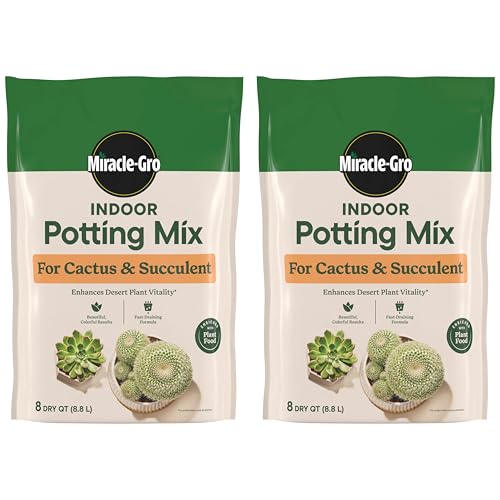
Miracle-Gro Indoor Potting Mix for Cactus and Succulent is enriched with Miracle-Gro Plant Food and enhances desert plant vitality (vs unfed plants when used as directed)

Made For Potted Citrus Trees: Our citrus potting soil mix is made for potted lemon, lime, orange and other citrus trees that need a lighter growing medium for repotting. We double-screen all of our raw ingredients to support a cleaner, more consistent texture for pouring and repotting potted citrus trees.

Enhanced Growth Benefits: Supports optimal plant health with superior aeration, effective drainage, excellent nutrient retention, and a balanced pH – everything citrus plants need to thrive.
Pot Size and Material for Nectarines
Choosing the right pot size and material is crucial for successfully growing nectarine trees in Rhode Island’s small spaces. The pot not only needs to accommodate the tree’s root system but also provide adequate drainage and insulation against temperature fluctuations. Understanding these factors will help ensure a thriving, productive nectarine tree in your garden.
Choose a pot that is at least 18-24 inches in diameter. Ensure it has drainage holes to prevent waterlogging. Materials such as ceramic or heavy-duty plastic work well.
Potting Mix Essentials for Nectarine Trees
Selecting the right potting mix is crucial for the health and productivity of nectarine trees grown in pots, especially in Rhode Island’s unique climate. The right blend not only supports root development but also ensures proper drainage and nutrient availability. Understanding these essentials will help you create an optimal growing environment for your nectarine trees.
Use a high-quality potting mix designed for fruit trees. Look for mixes that retain moisture yet drain well. A mix containing perlite or vermiculite is beneficial.
Pot Drainage Material Options
When growing nectarine trees in pots, proper drainage is essential to ensure healthy roots and vibrant fruit production. Selecting the right drainage materials can significantly impact the success of your small-space gardening efforts in Rhode Island. Explore various options that will help maintain optimal moisture levels while preventing waterlogged soil.
Incorporate materials like gravel or broken pottery at the bottom of the pot. This promotes drainage and prevents root rot.
Effective Planting Techniques for Nectarine Trees
When planting nectarine trees in pots, especially in Rhode Island’s unique climate, employing effective techniques is crucial for success. Proper soil selection, pot size, and watering practices can significantly influence growth and fruit production. Understanding these methods will help maximize the potential of your nectarine trees in limited spaces.
Follow these steps to plant your nectarine tree effectively. Proper planting ensures a strong start and healthy growth.
Prepare the Pot: Add a layer of drainage materials.
Fill with Soil: Add potting mix, leaving space for the tree roots.
Position the Tree: Place the tree in the center and fill around the roots with soil.
Water Thoroughly: Ensure the soil is moist but not soggy.
Nectarine Tree Care: Watering and Fertilizing Tips
Caring for nectarine trees in pots requires attention to their specific watering and fertilizing needs, especially in Rhode Island’s climate. Proper hydration and nutrient management are essential for promoting healthy growth and fruit production. This section provides practical tips to ensure your potted nectarine trees thrive in small spaces.
Establish a consistent watering schedule. Water deeply when the top inch of soil feels dry. Fertilize with a balanced, slow-release fertilizer every 4-6 weeks during the growing season.
Temperature and Sunlight Needs for Nectarines
Nectarine trees thrive in Rhode Island’s climate when their temperature and sunlight needs are met. Understanding the ideal conditions for these trees is crucial for successful growth, especially in small spaces. This section explores the specific temperature ranges and sunlight exposure required to cultivate healthy nectarine trees in pots.
Nectarine trees require specific temperature and sunlight conditions. In Rhode Island, summer heat is favorable, but winter can pose challenges.
Nectarine Temperature Preferences for Container Growth
Understanding the temperature preferences of nectarine trees is crucial for successful container growth, especially in Rhode Island’s variable climate. These trees thrive within specific temperature ranges, influencing their overall health and fruit production. By closely monitoring and managing these conditions, gardeners can ensure a fruitful harvest even in small spaces.
Ideal Range: Nectarines thrive in temperatures between 70°F and 85°F.
Winter Protection: Use frost cloths or move pots indoors during extreme cold.
Optimal Sunlight for Potted Nectarines
Potted nectarine trees thrive best in environments that provide ample sunlight, which is crucial for their growth and fruit production. In Rhode Island, understanding the specific sunlight requirements can help gardeners maximize their small space success. This section explores the optimal sunlight conditions necessary for healthy nectarines in containers.
Ensure your tree receives at least 6-8 hours of sunlight daily. Position pots in a south-facing location for optimal exposure.
Pest Control for Potted Nectarine Trees
Potted nectarine trees can thrive in Rhode Island’s unique climate, but they are not immune to pests. Effective pest control is essential for maintaining the health and productivity of these trees in small spaces. Understanding common pests and implementing targeted strategies will help ensure your nectarine trees flourish in their containers.
Monitoring for pests and diseases is essential for maintaining healthy nectarine trees. Common issues include aphids, spider mites, and fungal infections.
Recommended Products

PLANT DISEASE CONTROL: Natria Neem Oil acts as an insecticide and fungicide in one convenient spray; Ready-to-use trigger sprayer requires no mixing

Plant-Based Pest Protection: Helps protect plants from common pests including gnats, spider mites, aphids, fungus issues, and other plant-damaging insects using plant-based ingredients.

INSECT KILLER: Fast-acting formula kills listed insects including aphids, Japanese beetles, caterpillars, whiteflies, and other listed pests on contact
Pest Inspection Strategies for Potted Nectarines
Maintaining healthy potted nectarine trees in Rhode Island requires vigilance against pests that can threaten their growth. Effective pest inspection strategies are essential for identifying and managing infestations early, ensuring that your small space garden thrives. This section outlines practical approaches to safeguard your nectarine trees from common pests.
Regular Inspections: Check leaves and stems for signs of pests.
Organic Treatments: Use insecticidal soap or neem oil for pest control.
Fungal Prevention: Ensure good air circulation around the tree.
Common Pests and Treatment Options
Nectarine trees can thrive in pots even in Rhode Island’s unique climate, but they are susceptible to various pests that can hinder their growth. Understanding the common pests that affect these trees and exploring effective treatment options is essential for maintaining healthy plants. This section delves into the specific challenges and solutions for pest management in potted nectarine trees.
| Pest | Symptoms | Treatment |
|---|---|---|
| Aphids | Curling leaves | Insecticidal soap |
| Spider Mites | Webbing on leaves | Neem oil |
| Powdery Mildew | White powdery spots | Fungicide |
Nectarine Harvest Timing and Techniques
Understanding the timing and techniques for harvesting nectarines is crucial for successful cultivation, especially in a pot. In Rhode Island’s unique climate, knowing when to pick your fruit can significantly impact flavor and texture. This section delves into the optimal harvest periods and practical methods to ensure a bountiful yield from your potted nectarine trees.
Once your nectarine tree begins to bear fruit, understanding the right time to harvest is key. Nectarines are ready to pick when they develop full color and yield slightly to pressure.
Nectarine Ripeness Indicators
Understanding when nectarines are ripe is crucial for maximizing flavor and texture, especially for those growing these trees in pots. In Rhode Island’s unique climate, observing specific ripeness indicators can help ensure a successful harvest. This section outlines key signs to look for as your nectarines approach peak ripeness.
Color Check: Look for vibrant color indicative of ripeness.
Gentle Pressure: If the fruit gives slightly when pressed, it is ready to harvest.
Timing: Harvest in the morning for the best flavor.
Culinary Uses for Homegrown Nectarines
Homegrown nectarines offer a delightful array of culinary possibilities that can elevate your dishes and desserts. Their sweet, juicy flesh can be enjoyed fresh, baked into pies, or blended into smoothies. Exploring these uses not only enhances your meals but also showcases the unique flavors of nectarines grown in your own Rhode Island garden.
Fresh nectarines can be eaten raw, added to salads, or used in desserts. Their versatility makes them a delightful addition to your culinary repertoire.
