

Apple trees can thrive in Oklahoma despite the heat and variable soil conditions. Selecting the right varieties and implementing proper care techniques can enhance their resilience and productivity.
Heat-Tolerant Apple Varieties for Oklahoma
Choosing the right apple tree varieties is crucial for successful cultivation in Oklahoma’s climate. The state experiences high temperatures and fluctuating soil types, so selecting heat-tolerant and disease-resistant varieties can significantly improve your chances of success. Some recommended varieties include:
Arkansas Black: Known for its hardiness and drought resistance.
Gala: A sweet variety that adapts well to various soils.
Fuji: Offers excellent flavor and is resilient to heat.
| Variety | Heat Tolerance | Disease Resistance | Flavor Profile |
|---|---|---|---|
| Arkansas Black | High | Moderate | Sweet |
| Gala | Moderate | High | Sweet |
| Fuji | High | Moderate | Crisp |
Recommended Products

🍏 Sweet & Crisp Fruit – Produces delicious golden-yellow apples with a refreshing, juicy flavor.

Live Fruit-Bearing Apple Tree – Grow your own Mollie’s Delicious apples, a heat-tolerant variety known for its large size, sweet flavor, and crisp texture, perfect for fresh eating, baking, and cider-making

Product Quantity: 200+ organic apple seeds in each packet; Carefully selected for optimal viability; Perfect for starting multiple trees or sharing with other gardeners
Oklahoma Soil Types for Apple Trees
Understanding the various soil types in Oklahoma is crucial for successfully cultivating apple trees in the region. The state’s diverse soil profiles can significantly impact tree health and fruit production. This section delves into the specific soil characteristics that apple growers should consider to optimize their orchards in Oklahoma’s unique climate.
Oklahoma’s soil can vary widely, impacting apple tree growth. Understanding your specific soil type is essential for proper care.
Conduct a soil test to determine pH and nutrient levels. Most apple trees prefer a pH of 6.0 to 7.0. If your soil is too acidic or alkaline, consider amending it with lime or sulfur.
Common soil types in Oklahoma include:
Clay: Retains moisture but may drain poorly.
Sandy: Drains well but can dry out quickly.
Loamy: Ideal for apple trees, combining the benefits of both clay and sandy soils.
Soil Enhancements for Apple Tree Health
In Oklahoma’s challenging climate, enhancing soil quality is crucial for the health of apple trees. The right soil amendments can improve water retention, nutrient availability, and overall tree vigor, helping them thrive despite the heat and variable soil conditions. Understanding these enhancements is essential for successful apple cultivation in the region.
To improve soil conditions for apple trees, consider these amendments:
Organic matter: Incorporate compost to enhance soil structure and fertility.
Mulch: Apply a layer of organic mulch to retain moisture and regulate temperature.
Fertilizers: Use balanced fertilizers specifically formulated for fruit trees.
Heat Stress Mitigation for Oklahoma Apple Trees
Oklahoma’s unique climate presents significant challenges for apple tree cultivation, particularly due to heat stress and inconsistent soil conditions. Understanding effective mitigation strategies is essential for growers aiming to maintain healthy orchards and optimize fruit production. This section explores practical approaches to help apple trees thrive despite the state’s harsh environmental factors.
Heat stress can significantly affect apple trees, leading to reduced fruit quality and yield. Implementing strategies to mitigate heat stress is essential for maintaining tree health.
Effective heat management techniques include:
Irrigation: Water deeply and consistently, especially during dry spells. Consider drip irrigation for efficiency.
Shade: Use shade cloth during extreme heat to protect young trees.
Pruning: Regularly prune to improve air circulation and reduce stress.
Recommended Products
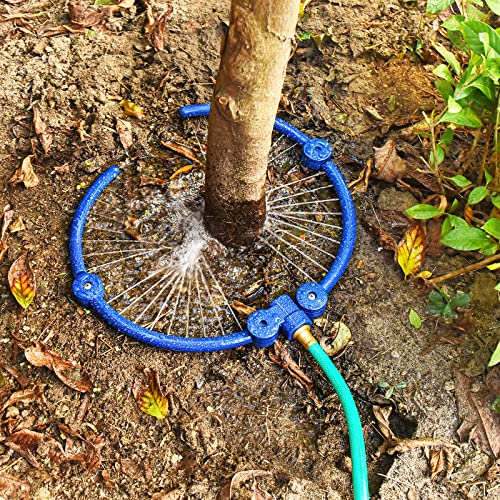
【Specially Designed for Trees and Shrubs】 The Watering Ring is a multi-purpose irrigation ring that attaches to a garden hose to efficiently water young trees shrubs vegetables or flower beds using drip or trickle irrigation.It directs water to the root perimeter of the plant to give them a good start during the first two growing seasons or through periods of drought.

This IRRIRIGATION DRIPPER is divided into 90 ° with Plunger, 180 ° with Plunger, and 360 ° with Plunger. For details, please check the size, please follow the corresponding products according to your needs.

Adjustable Water Flow: The drip emitter can be adjusted to stop, micro-drip, and spray so that you can use the water drip system to water many kinds of plants in your garden. Moreover, the drip emitters have a support stake for easy placement in the soil
Identifying Symptoms of Heat Stress
Understanding the symptoms of heat stress is crucial for maintaining healthy apple trees in Oklahoma’s challenging climate. As temperatures rise and soil conditions fluctuate, recognizing early signs of stress can help growers take timely action to protect their trees. This section will outline the key indicators to watch for, ensuring the vitality of your apple orchard.
Identifying heat stress early can help you take corrective action. Look for these symptoms:
Wilting leaves
Leaf scorch or browning
Premature fruit drop
Pest Control Techniques for Oklahoma Apple Trees
Managing pests is crucial for the health and productivity of apple trees in Oklahoma, especially given the state’s unique climate and soil conditions. Effective pest control techniques can help mitigate the risks posed by common insects and diseases, ensuring that these trees thrive despite environmental challenges. This section explores various strategies tailored specifically for Oklahoma’s apple growers.
Oklahoma’s climate can attract various pests and diseases that threaten apple trees. Regular monitoring and proactive management are essential.
Common pests include:
Apple Maggot: Affects fruit quality. Use traps to monitor and control.
Aphids: Can weaken trees. Introduce beneficial insects for natural control.
Coddling Moth: Causes fruit damage. Apply insecticides as needed.
Prevention methods:
Regular inspections: Check for signs of pests or disease.
Crop rotation: Helps break pest cycles.
Healthy practices: Maintain tree health to reduce susceptibility.
Oklahoma Apple Tree Cultivation Strategies
Cultivating apple trees in Oklahoma presents unique challenges due to the region’s intense heat and diverse soil conditions. Successful growers employ specific strategies to adapt to these environmental factors, ensuring healthy trees and fruitful harvests. Understanding these techniques is essential for anyone looking to thrive in Oklahoma’s apple farming landscape.
Implementing best practices can enhance your apple tree cultivation in Oklahoma. Focus on the following:
Location: Choose a site with full sun exposure for at least six hours daily.
Spacing: Ensure adequate space between trees to promote airflow.
Watering schedule: Adjust based on seasonal changes to avoid over or under-watering.
Apple Tree Care Strategies for Oklahoma
Caring for apple trees in Oklahoma requires a tailored approach due to the state’s unique climate and soil conditions. With intense heat and varying soil types, understanding effective care strategies is essential for successful cultivation. This section explores practical methods to ensure your apple trees thrive in Oklahoma’s challenging environment.
Oklahoma’s unique climate and soil conditions require careful planning and management for successful apple cultivation. Regular monitoring and adjustments to care practices can lead to fruitful harvests.
Be vigilant about environmental factors and adapt your strategies accordingly.
