

Growing apple trees in Massachusetts can be a rewarding endeavor, provided you choose the right varieties and follow best practices for care. This guide outlines essential steps for successful cultivation, including soil preparation, pest management, and seasonal care.
Best Apple Varieties for Massachusetts Climate
Massachusetts offers a unique climate that supports a variety of apple trees, making it essential for growers to choose the right cultivars. Understanding which apple varieties thrive in this New England environment can significantly enhance both yield and fruit quality. This section delves into the best apple varieties suited for Massachusetts, ensuring successful cultivation for local growers.
Choosing the right apple tree varieties is crucial for success in Massachusetts. The climate and soil conditions favor certain types that thrive in New England’s unique environment. Popular varieties include:
Honeycrisp: Known for its crisp texture and sweet flavor.
McIntosh: A classic variety with a soft texture and tart taste.
Gala: Offers a sweet flavor and is great for fresh eating.
Cortland: Excellent for pies and has a balanced flavor.
Consider local climate zones when selecting varieties. Some trees may require more chill hours than others, impacting their growth and fruiting.
Soil Testing and Preparation for Apple Trees
Successful apple cultivation in Massachusetts begins with understanding the soil. Proper testing and preparation are essential to ensure that the soil meets the specific needs of apple trees, promoting healthy growth and fruit production. This section will guide you through the necessary steps to assess and enhance your soil for optimal apple tree health.
Proper soil preparation sets the foundation for healthy apple trees. Massachusetts soil can vary, so testing is important. Follow these steps for optimal results:
Test the Soil: Use a home testing kit to check pH and nutrient levels.
Amend the Soil: Based on test results, add organic matter like compost to improve fertility.
Ensure Drainage: If soil retains too much water, consider raised beds or planting on mounds.
A well-prepared soil environment encourages strong root development and enhances fruit quality.
| Soil Property | Ideal Range |
|---|---|
| pH Level | 6.0 – 7.0 |
| Organic Matter | 3% – 5% |
| Drainage | Well-drained |
Recommended Products

Quick, at home results for Soil pH, Nitrogen, Phosphorous and Potash Innovative and inexpensive soil test kit features an easy-to-use capsule system and patented color comparators

KNOW BEFORE YOU GROW | Grow the healthiest, sustainable lawn and garden with the most accurate and easy to use professional soil test kit on the market
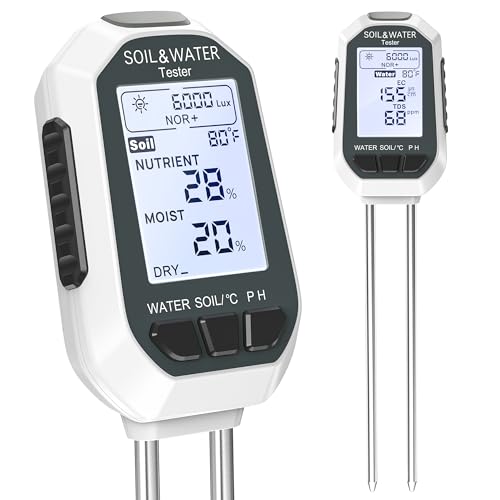
【7-in-1 Features】This is a 7-in-1 multi-function soil tester. Our soil tester quickly measures soil moisture, pH, temperature and light intensity, and its fertility function helps you take better care of your plants. With this device you can measure the soil moisture, pH, temperature and light intensity for your plants and with the EC and TDS functions you will know when it is time to water the soil.
Pest Control Strategies for Massachusetts Apple Trees
Effective pest control is crucial for maintaining healthy apple trees in Massachusetts, where local conditions can foster various pests. This section delves into tailored strategies that address common threats, ensuring that growers can protect their crops while promoting sustainable practices. By understanding these methods, apple farmers can enhance their yields and overall tree health.
Pest management is vital for maintaining healthy apple trees. Massachusetts is home to various pests that can damage your crop. Implement these strategies:
Regular Monitoring: Inspect trees weekly for signs of pests or disease.
Use Organic Pesticides: Neem oil and insecticidal soap can be effective against common pests.
Encourage Beneficial Insects: Ladybugs and lacewings can help control aphid populations.
By staying vigilant and proactive, you can minimize damage and ensure a fruitful harvest.
Seasonal Care Schedule for Apple Trees
Managing apple trees in Massachusetts requires a keen understanding of their seasonal needs. This guide outlines a comprehensive care schedule tailored to New England’s unique climate, ensuring optimal growth and fruit production. By following these seasonal guidelines, you can cultivate healthy apple trees that thrive throughout the year.
Seasonal care is essential for the health of your apple trees. Each season requires specific actions to promote growth and fruiting. Follow this seasonal care schedule:
Pruning Techniques for Massachusetts Apple Trees
Pruning is a crucial aspect of maintaining healthy apple trees in Massachusetts, promoting better fruit production and tree longevity. Understanding the right techniques and timing can significantly enhance the growth and quality of your apple harvest. This section will explore effective pruning methods tailored specifically for the unique climate and conditions of New England.
Prune Trees: Remove dead or crossing branches to improve air circulation.
Fertilize: Apply a balanced fertilizer to support new growth.
Summer Watering Strategies for Apple Trees
Proper watering is essential for the health and productivity of apple trees in Massachusetts, especially during the hot summer months. Understanding effective watering strategies can help ensure your trees thrive, produce quality fruit, and withstand the challenges of New England’s climate. This section outlines key techniques to optimize water usage and promote robust growth.
Water Regularly: Ensure trees receive adequate moisture, especially during dry spells.
Thin Fruits: Remove excess fruit to enhance the size and quality of remaining apples.
Apple Harvest Timing in Massachusetts
Understanding the timing of apple harvests in Massachusetts is crucial for both commercial growers and home gardeners. This section delves into the specific months and conditions that influence the ripening of various apple varieties, ensuring that you can maximize your yield and enjoy the best flavors of New England’s beloved fruit.
Harvest: Pick apples at the right time for optimal flavor.
Prepare for Winter: Mulch around the base of trees to protect roots from freezing temperatures.
Winter Tree Inspection in Massachusetts
Winter tree inspection is a crucial step in maintaining the health of apple trees in Massachusetts. During this season, growers can assess potential damage from cold weather and pests, ensuring trees are well-prepared for the upcoming growing season. Understanding the specific challenges faced in New England will help farmers take proactive measures for their orchards.
Inspect Trees: Look for signs of damage and address any issues.
Plan for Next Season: Review what worked and what didn’t for future improvements.
Common Diseases Affecting Massachusetts Apple Trees
Massachusetts apple trees face several common diseases that can impact their health and fruit production. Understanding these diseases is crucial for growers looking to maintain robust orchards and ensure a successful harvest. This section explores the most prevalent ailments affecting apple trees in the region, along with their symptoms and management strategies.
Familiarizing yourself with common diseases can help you take preventive measures. Massachusetts apple trees are susceptible to various diseases, including:
Apple Scab: A fungal disease that causes dark spots on leaves.
Powdery Mildew: A fungal infection that appears as white powder on leaves.
Cedar Apple Rust: A disease that requires both cedar and apple trees to complete its life cycle.
Implementing good cultural practices can reduce the incidence of these diseases. Regular pruning and proper spacing between trees promote airflow, minimizing disease risk.
Local Support for Apple Tree Cultivation
Massachusetts offers a wealth of resources for those interested in cultivating apple trees, reflecting the state’s rich agricultural heritage. Local organizations, extension services, and community groups provide essential support, from expert advice to hands-on workshops. This section explores the various avenues available for aspiring apple growers to enhance their knowledge and skills in fruit cultivation.
Local agricultural extensions and gardening clubs can provide valuable resources for apple tree cultivation. Consider these options for assistance:
Workshops: Attend workshops on apple tree care and pest management.
Soil Testing Services: Utilize local services for accurate soil testing.
Networking: Join local gardening clubs to share experiences and tips with fellow growers.
Engaging with local experts can enhance your knowledge and improve your apple-growing success.
Cultivating Healthy Apple Trees in Massachusetts
Growing healthy apple trees in Massachusetts requires an understanding of the region’s unique climate and soil conditions. This section will explore essential practices for cultivation, including selecting the right varieties, proper planting techniques, and effective pest management strategies. By following these guidelines, you can ensure a fruitful harvest and contribute to the thriving apple-growing tradition in New England.
Follow these guidelines to cultivate healthy apple trees in Massachusetts. Select suitable varieties, prepare your soil, manage pests, and provide seasonal care. By leveraging local resources, you can maximize your chances of a successful harvest.
