

Guava trees can thrive in Colorado’s high altitudes with proper protection strategies. Utilizing specific techniques and materials ensures these tropical plants survive and produce fruit despite the challenging climate.
Guava Tree Growth Conditions in Colorado
Understanding the growth conditions for guava trees in Colorado is essential for successful cultivation in this unique climate. High altitude presents specific challenges, including temperature fluctuations and soil variations, that can significantly impact the health and productivity of these tropical plants. This section explores the key factors that influence guava tree growth in Colorado’s distinct environment.
Guava trees require specific conditions to flourish, particularly in high-altitude regions like Colorado. They thrive in well-drained soil with a slightly acidic to neutral pH.
Adequate sunlight and warmth are crucial for growth. High altitudes can present challenges such as temperature fluctuations and frost, so understanding these needs is essential for successful cultivation.
Recommended Products

All Purpose Mix; Nutrient Enrichment & Drainage Control for Fiddle Leaf Fig Trees & All Other Indoor Houseplants

100% Natural: Custom blend for your indoor potted banana trees
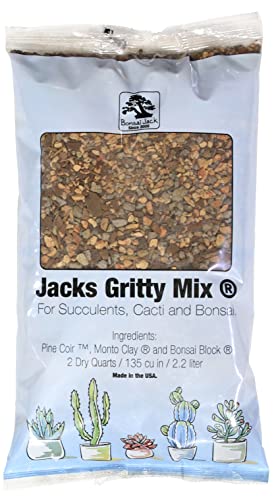
Fast draining and nurturing: Our succulent potting soil helps prevent root rot and overwatering. Bonsai Jack succulent soil mix is used to enhance bonsai and succulent plants, including Echeveria, Haworthia, Crassula, Lithops, Jade, Aloe and Crassula.
Optimal Soil Mix for Guava Trees
Creating the right soil mix is crucial for the successful growth of guava trees in Colorado’s high-altitude environment. The unique challenges posed by elevation require a tailored approach to soil composition, ensuring proper drainage and nutrient availability. Understanding the optimal soil mix will help cultivate healthy, thriving guava trees despite the region’s conditions.
Proper soil preparation is vital for guava trees to establish strong roots. This involves selecting the right soil mix and ensuring proper drainage.
Use a well-draining potting mix that includes:
Perlite for aeration
Compost for nutrients
Sand to improve drainage
| Soil Component | Purpose |
|---|---|
| Perlite | Increases aeration |
| Compost | Provides nutrients |
| Sand | Enhances drainage |
Creating a raised bed can also help with drainage, especially in areas prone to waterlogging. Regularly check soil moisture levels to avoid overwatering, which can lead to root rot.
Guava Tree Frost Protection Strategies
Guava trees can thrive in Colorado’s unique climate, but their delicate nature makes them vulnerable to frost. Understanding effective frost protection strategies is essential for successful cultivation at high altitudes. This section explores practical methods to safeguard your guava trees from cold temperatures, ensuring healthy growth and fruit production.
Frost can severely damage guava trees, especially in Colorado’s unpredictable climate. Implementing frost protection strategies is essential for survival.
Use frost cloths or tarps during cold nights to cover the trees.
Install row covers to trap heat and shield young plants.
Consider using heat lamps for additional warmth in extreme conditions.
These measures can significantly reduce frost damage and promote healthy tree growth. Always monitor local weather forecasts to anticipate cold snaps.
High-Altitude Guava Variety Selection
Selecting the right guava variety is crucial for successful cultivation in Colorado’s high-altitude climate. With unique challenges such as temperature fluctuations and shorter growing seasons, certain guava types are better suited to thrive. Understanding these varieties can significantly enhance your chances of a fruitful harvest.
Choosing the right guava variety is crucial for successful growth in Colorado. Some varieties are more tolerant of cooler temperatures and can adapt better to high altitudes.
Tropical Guava: Thrives in warmer conditions but can be grown with protection.
Pineapple Guava: More cold-tolerant and can handle frost better.
Strawberry Guava: Adaptable and can survive in various conditions.
Assessing local climate conditions will help determine the best variety for your garden. Consult with local nurseries for recommendations tailored to your area.
Guava Tree Watering and Fertilization Tips
Proper watering and fertilization are crucial for the health of guava trees, especially in Colorado’s unique high-altitude environment. Understanding the specific needs of these trees can significantly enhance their growth and fruit production. This section will provide essential tips to ensure your guava trees thrive despite the challenges posed by altitude.
Proper watering and fertilization are key to maintaining healthy guava trees. Understanding the specific needs of these trees will enhance growth and fruit production.
Water deeply but infrequently to encourage deep root growth.
Use a balanced fertilizer during the growing season, applying it every 6-8 weeks.
Monitor for signs of nutrient deficiency, such as yellowing leaves.
| Fertilizer Type | Application Frequency |
|---|---|
| Balanced Fertilizer | Every 6-8 weeks |
| Organic Compost | Twice a year |
Adjust watering based on rainfall and temperature to prevent stress on the trees.
High-Altitude Pest and Disease Control
In the unique climate of Colorado, high-altitude guava trees face specific pest and disease challenges that require careful management. Understanding the common threats and implementing effective control strategies is essential for maintaining the health and productivity of these trees. This section delves into practical approaches for safeguarding guava trees against pests and diseases in high-altitude environments.
Pests and diseases can threaten guava trees, especially in high-altitude environments. Regular monitoring and proactive management are essential.
Inspect trees regularly for signs of pests like aphids and scale insects.
Use organic insecticidal soap for treatment.
Implement companion planting to deter pests naturally.
Maintaining tree health through proper care will minimize the risk of infestations and diseases.
Guava Cultivation Tips for High Altitude
Growing guava trees in Colorado requires diligence and attention to detail. Proper soil preparation, frost protection, and careful selection of varieties will enhance your success. Regular monitoring of watering, fertilization, and pest management will ensure that your guava trees thrive despite the challenges of high altitude.
Be prepared to adapt your strategies as needed based on local conditions and tree performance.
