

Apple trees can grow in Alaska, but only specific cold-hardy varieties are suitable for the harsh climate. Choosing the right cultivar and employing proper care techniques will enhance your chances of successful apple production in this northern region.
Choosing Resilient Apple Varieties for Alaska
When considering apple cultivation in Alaska, selecting the right varieties is crucial for success. Cold-hardy apples can thrive in the state’s challenging climate, offering both flavor and resilience. Understanding which types are best suited for Alaskan conditions will help gardeners maximize their harvest while enjoying the unique beauty of apple trees in this northern landscape.
When considering apple trees for Alaska, focus on cold-hardy varieties known for their resilience. These trees can withstand low temperatures and shorter growing seasons. Popular options include:
Honeycrisp: Known for its crisp texture and sweet flavor.
Haralson: A tart apple that stores well and is great for pies.
Cortland: Excellent for fresh eating and salads, with a juicy bite.
These varieties thrive in USDA hardiness zones 3 to 4, making them ideal for Alaskan climates.
Recommended Products
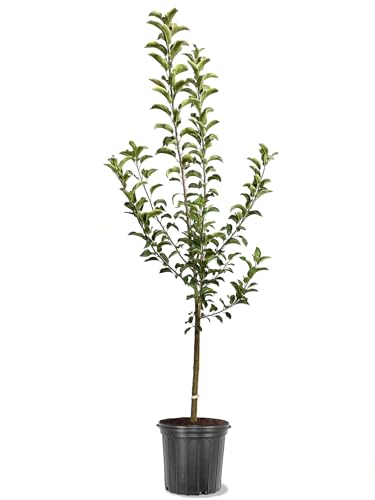
Crisp, Sweet Apples: Produces large, juicy apples with a perfect balance of sweetness and tartness, ideal for fresh eating and baking.

Live Fruit-Bearing Apple Tree – Grow your own Gravenstein apples, a classic heirloom variety known for its sweet-tart flavor and crisp texture, perfect for fresh eating, baking, and cider-making

🍎 Classic Fuji Apple Variety from Seed – Fuji Apple Tree Seeds allow growers to start one of the world’s most loved apple varieties known for its crisp texture and naturally sweet flavor. This long-term growing project is ideal for home orchards, backyard fruit gardens, and growers who enjoy raising trees from seed.
Alaska Climate Factors for Apple Growth
Understanding the climate factors in Alaska is crucial for successfully growing apple trees in this unique environment. The state’s extreme temperatures, varying daylight hours, and soil conditions significantly influence which apple varieties can thrive. Exploring these elements will provide insight into the challenges and opportunities for cultivating cold-hardy apples in Alaska.
Alaska’s climate varies significantly, impacting apple tree growth. Factors to consider include:
Temperature: Winter temperatures can drop below -30°F. Trees must be able to endure these extremes.
Daylight Hours: Long summer days provide ample sunlight for photosynthesis.
Soil Type: Well-drained, loamy soil is essential for healthy root development.
Monitoring these conditions helps ensure the right environment for your apple trees.
Site Preparation for Cold-Hardy Apple Trees
Preparing the right site is crucial for successfully growing cold-hardy apple trees in Alaska. Factors such as soil quality, drainage, and sunlight exposure play significant roles in ensuring these trees thrive in harsh conditions. Understanding these elements will help you create an optimal environment for your apple trees to flourish.
Proper site preparation is crucial for successful apple tree growth. Follow these steps:
Choose a sunny location: Aim for at least six hours of sunlight daily.
Test the soil: Use a soil test kit to check pH and nutrient levels.
Amend the soil: Add organic matter like compost to improve drainage and fertility.
These steps create an optimal growing environment for your apple trees.
Apple Tree Planting Best Practices
Successfully planting apple trees in Alaska requires careful consideration of local conditions and best practices. Understanding the unique challenges posed by the climate and soil can significantly enhance the chances of thriving trees. This section outlines essential techniques to ensure your apple trees adapt well and produce fruit in the Alaskan environment.
Planting apple trees correctly sets the foundation for healthy growth. Here’s how to do it:
Dig a hole: Make it twice as wide as the root ball and deep enough for the roots.
Position the tree: Place it in the hole, ensuring the graft union is above soil level.
Backfill with soil: Gently pack the soil around the roots to eliminate air pockets.
Water thoroughly: Ensure the tree receives adequate moisture after planting.
Following these techniques increases the likelihood of successful establishment.
| Variety | Hardiness Zone | Flavor Profile | Best Use |
|---|---|---|---|
| Honeycrisp | 3-4 | Sweet | Fresh eating |
| Haralson | 3-4 | Tart | Baking |
| Cortland | 3-4 | Juicy | Salads |
Cold-Hardy Apple Tree Care Techniques
Caring for cold-hardy apple trees in Alaska requires specific techniques to ensure their survival and productivity in harsh climates. Understanding the unique needs of these resilient varieties can help gardeners maximize their yield while minimizing risks associated with extreme temperatures. This section delves into essential care practices tailored for successful apple cultivation in Alaska’s challenging environment.
Ongoing care is essential for healthy apple trees. Regular tasks include:
Watering: Provide deep watering during dry spells.
Fertilizing: Use a balanced fertilizer in early spring.
Pruning: Thin branches to improve air circulation and sunlight penetration.
These practices promote vigorous growth and fruit production.
Alaska Apple Tree Pest Control Strategies
Growing apple trees in Alaska presents unique challenges, particularly when it comes to pest management. The cold climate can limit the types of pests that thrive, but those that do can be particularly resilient. Understanding effective pest control strategies is essential for ensuring healthy apple trees in this northern environment.
Pests and diseases can threaten apple trees in Alaska. Implement these strategies:
Monitor for pests: Regularly check for signs of aphids or apple maggots.
Use organic treatments: Apply neem oil or insecticidal soap as needed.
Practice good sanitation: Remove fallen leaves and fruit to reduce disease risk.
Being proactive helps protect your apple trees from potential threats.
Optimal Apple Harvest Timing
Understanding the optimal timing for harvesting apples is crucial for maximizing yield and flavor, especially in the unique climate of Alaska. Factors such as temperature fluctuations and daylight hours play a significant role in determining when the fruit reaches its peak ripeness. This section explores the best practices for harvesting apples in cold-hardy varieties to ensure a successful crop.
Knowing when to harvest is key to enjoying your apples at their best. Look for these signs:
Color change: Apples should have a uniform color.
Ease of picking: They should come off the tree with a gentle twist.
Taste test: Sample a few to check for sweetness and flavor.
Proper harvesting techniques ensure the best quality fruit.
Winter Care for Alaska Apple Trees
Caring for apple trees in Alaska during the winter months is crucial for their survival and productivity. The extreme cold and harsh conditions can pose significant challenges, but with the right strategies, you can protect your trees and ensure they thrive. Understanding winter care techniques is essential for anyone looking to cultivate these cold-hardy varieties in Alaska.
Winter preparation is critical for apple trees in Alaska. Follow these steps:
Mulch around the base: Apply a thick layer of mulch to insulate roots.
Wrap trunks: Use tree wrap to protect against frost damage.
Prune in late winter: Remove any dead or diseased wood before new growth begins.
These actions help your apple trees survive the cold months.
Regularly monitor your apple trees for signs of stress or disease. Taking timely action can prevent larger issues down the line.
