

Yes, star fruit trees can grow in pots in California, provided you choose the right variety and care for them properly. Container gardening allows for better control over soil, drainage, and sunlight, which are crucial for the tree’s success.
Choosing Suitable Star Fruit Varieties for Pots
Choosing the appropriate star fruit variety is essential for successful pot growth in California. The most suitable types include the Carambola and Fwang Tung, which are known for their adaptability to container life. These varieties thrive in warm climates and can produce fruit within two to three years when properly cared for.
Container Size and Material for Star Fruit Trees
Choosing the right container size and material is crucial for successfully growing star fruit trees in pots, especially in California’s unique climate. The container not only supports the tree’s growth but also impacts its health and fruit production. Understanding these factors will help ensure that your star fruit tree thrives in a container environment.
The container size directly impacts the growth of your star fruit tree. A pot with a diameter of at least 18 inches is recommended to allow for proper root development.
The material of the pot also plays a role in drainage and temperature regulation. Common options include:
Terracotta: Good for aeration but may dry out quickly.
Plastic: Lightweight and retains moisture well.
Ceramic: Offers aesthetic appeal and insulation.
| Container Material | Pros | Cons |
|---|---|---|
| Terracotta | Good aeration | Dries out quickly |
| Plastic | Retains moisture | Less durable |
| Ceramic | Aesthetic appeal | Heavier |
Soil Mix and Fertilizer Recommendations
When growing star fruit trees in pots, selecting the right soil mix and fertilizer is crucial for their health and productivity. This section outlines the best soil components and nutrient options to ensure your star fruit trees thrive in California’s unique climate. Understanding these requirements will help you cultivate a flourishing container garden.
Using the right soil mix is crucial for the health of your star fruit tree. A well-draining potting mix enriched with organic matter is ideal. Consider adding:
Coconut coir for moisture retention
Perlite for aeration
Compost for nutrients
Fertilizing is equally important. Use a balanced fertilizer with a ratio of 10-10-10 every four to six weeks during the growing season. This will ensure your tree receives the necessary nutrients for healthy growth and fruit production.
Recommended Products

🍋 𝐍𝐀𝐓𝐔𝐑𝐀𝐋 & 𝐒𝐂𝐑𝐄𝐄𝐍𝐄𝐃 𝐈𝐍𝐆𝐑𝐄𝐃𝐈𝐄𝐍𝐓𝐒: Our citrus potting soil mix is made from natural ingredients that are carefully researched to meet the specific requirements of citrus plants. We double-screen all of our raw ingredients to ensure the highest quality.
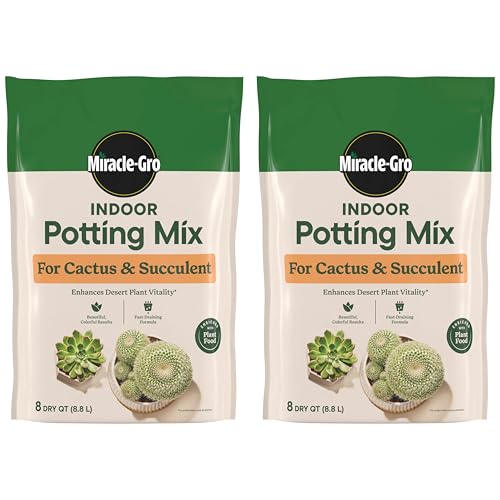
Miracle-Gro Indoor Potting Mix for Cactus and Succulent is enriched with Miracle-Gro Plant Food and enhances desert plant vitality (vs unfed plants when used as directed)

Enhanced Growth Benefits: Supports optimal plant health with superior aeration, effective drainage, excellent nutrient retention, and a balanced pH – everything citrus plants need to thrive.
Sunlight Requirements for Star Fruit Trees
Star fruit trees thrive in bright, direct sunlight, making their light requirements crucial for successful growth, especially in a pot. In California’s varied climate, understanding how to provide the right amount of sunlight can significantly impact the health and fruit production of these tropical trees. This section will explore the specific sunlight needs for optimal star fruit tree cultivation.
Star fruit trees require full sun exposure for optimal growth. Aim for at least six hours of sunlight daily. If you notice your tree becoming leggy or sparse, it may not be receiving enough light.
Watering should be consistent but not excessive. Allow the top inch of soil to dry out before watering again. Overwatering can lead to root rot, while underwatering can stress the tree.
Pruning Techniques for Star Fruit Trees
Pruning is essential for maintaining the health and productivity of star fruit trees, especially when grown in pots. Proper techniques not only encourage robust growth but also enhance fruit quality and yield. This section outlines effective pruning methods tailored for star fruit trees, ensuring they thrive in California’s unique climate conditions.
Regular pruning is essential to maintain the shape and health of your star fruit tree. Prune in late winter or early spring to encourage new growth. Focus on removing:
Dead or damaged branches
Suckers that grow from the base
Overcrowded branches to improve airflow
Proper pruning will enhance fruit production and keep the tree manageable in its pot.
Recommended Products

CLEAN CUTS FOR LIVE GROWTH: Bypass blade design is ideal for pruning delicate flower stems and green growth, helping reduce crushing and plant damage while cutting stems and small branches up to 5/8” in diameter

Make Pruning Work Easier: Rust-resistant stainless steel blade are sharp and durable for easy and smooth cut.Anti-slip and ergonomic handle make the gardener clippers more comfortable in your hand.Easy-open spring action reduces hand fatigue while cutting. you can easily to cut without damaging the vital stems and branches of your plants

Reduce Hand Strain: These micro tip snips are made to reduces hand fatigue which makes them great for those with arthritis, carpal tunnel, hand or wrist issues; Comfortable “grip” handles will make it easy to work for long-time use without making you feel hand pain
Pest and Disease Prevention for Star Fruit Trees
Maintaining the health of star fruit trees in pots is crucial for a successful harvest, especially in California’s varied climate. Understanding common pests and diseases that can affect these trees is essential for effective prevention and management. This section will provide practical strategies to protect your star fruit trees and ensure they thrive in their container environment.
Star fruit trees can be susceptible to pests and diseases, particularly in container settings. Regularly inspect your tree for signs of:
Aphids: Small, green insects that can weaken the tree.
Scale: Hard, shell-like pests that suck sap.
Fungal infections: Look for discoloration or wilting leaves.
Use organic pesticides or neem oil to manage infestations. Ensure good air circulation around the tree to prevent fungal issues.
Harvesting Techniques for Star Fruit
Once your tree begins to bear fruit, knowing when and how to harvest is crucial. Star fruit should be harvested when they turn a vibrant yellow and have a slightly waxy texture. Use clean, sharp pruning shears to cut the fruit from the tree, ensuring you do not damage the branches.
Container Care Strategies for Star Fruit Trees
Growing star fruit trees in pots can be a rewarding endeavor, especially in California’s diverse climate. Proper container care is essential to ensure these tropical trees thrive and produce fruit. This section outlines effective strategies to maintain healthy star fruit trees in pots, addressing watering, soil, and sunlight needs for optimal growth.
Maintaining a star fruit tree in a pot requires ongoing attention. Regularly check for signs of nutrient deficiency, water stress, or pest issues. Rotate the pot occasionally to ensure even sunlight exposure.
Monitor the tree’s growth and be prepared to repot every few years to refresh the soil and provide more space for root development.
Avoid over-fertilizing, as this can lead to excessive leaf growth at the expense of fruit production.
By following these guidelines, you can successfully grow a star fruit tree in a pot in California, enjoying its unique fruit and ornamental beauty.
