

Nectarine trees can thrive in pots in Austin, TX, with proper care and attention. Choosing the right variety and following specific cultivation practices will ensure successful growth and fruit production.
Best Nectarine Varieties for Container Growth
Choosing the appropriate nectarine variety is crucial for successful growth in Central Texas. Some varieties are better suited for container gardening and can adapt to the local climate. Look for varieties that are self-pollinating and have a shorter chilling requirement, which is vital for fruit set in warmer regions.
Varieties to Consider
Desert Delight: Low chill requirement, sweet fruit.
Flavortop: Firm texture, excellent flavor.
Sunred: Early ripening, good disease resistance.
Container Preparation for Nectarine Trees
Preparing the right container is crucial for successfully growing nectarine trees in pots, especially in the unique climate of Austin, TX. The choice of pot size, material, and drainage features can significantly impact the health and productivity of your trees. Understanding these factors will help ensure your nectarine trees thrive in a container environment.
Proper preparation of the container is essential for healthy nectarines. A well-draining pot will prevent root rot and promote vigorous growth. Ensure the pot is large enough to accommodate the roots and has adequate drainage holes.
Container Specifications
Size: At least 15 gallons for mature trees.
Material: Terracotta or plastic for good insulation.
Soil: Use a high-quality potting mix with organic matter.
Recommended Products
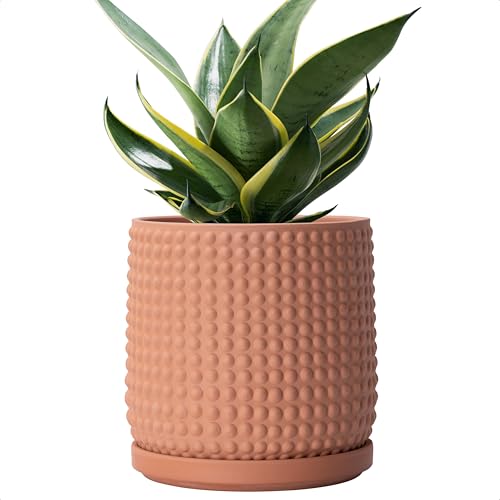
>> Size & Dimension – Large: 6" in outside diameter, 5.6" in inside diameter, 6.8" in height.

Terra Cotta finish without the breaking or splitting of Terra Cotta Pots

MADE WITH RECYCLED MATERIALS: A blend of recycled plastic, stone powder, and wood dust, this 18” planter is eye-catching and long-lasting for mindful gardening.
Nectarine Tree Maintenance for Container Growth
Maintaining a nectarine tree in a pot requires careful attention to its unique needs, especially in the climate of Austin, TX. Container growth presents challenges such as limited root space and varying moisture levels, making proper care essential for a thriving tree. Understanding the specific maintenance practices can lead to successful fruit production in Central Texas.
Regular maintenance is necessary for thriving nectarines in pots. This includes watering, fertilizing, and pruning. Each of these tasks plays a vital role in the overall health of the tree and the quality of the fruit.
Watering Guidelines
Water deeply once a week.
Adjust frequency based on temperature and rainfall.
Fertilizing Schedule
Use a balanced fertilizer every 4-6 weeks during the growing season.
Apply a slow-release formula in early spring.
Pruning Techniques
Prune in late winter to remove dead or crossing branches.
Thin fruit in early summer to improve size and quality.
Pest and Disease Management for Nectarine Trees
Managing pests and diseases is crucial for the health of nectarine trees, especially when grown in pots in Austin, TX. The unique climate and conditions of Central Texas can present specific challenges, making it essential for gardeners to adopt effective strategies. Understanding common threats and their management will help ensure a thriving nectarine tree in your home garden.
Nectarine trees can be susceptible to various pests and diseases. Monitoring for signs of trouble and taking action promptly will help maintain tree health. Integrated pest management strategies can be effective in controlling issues without harmful chemicals.
Common Pests
Aphids: Use insecticidal soap for control.
Spider mites: Increase humidity and use miticides if necessary.
Diseases to Watch For
Brown rot: Ensure good air circulation and remove infected fruit.
Leaf curl: Apply fungicides in early spring before bud break.
Recommended Products

3-in-1 FORMULA: Aphid spray for outdoor plants for use on roses, flowers, shrubs and trees to control listed insects, disease and mites

3-IN-1 PLANT CARE: 3-In-1 Insect, Disease & Plant Mite Control provides insect control, disease control, and plant mite control all in one; Rainproof protection starts in 4 hours and lasts up to 14 days
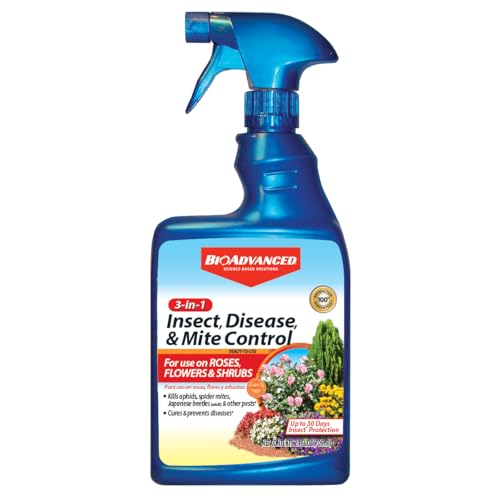
INSECT KILLER: Army worm killer. Also kills insects such as Aphids, Spider Mites, Japanese Beetles, Caterpillars, and other listed insects
Nectarine Harvest Timing for Maximum Flavor
Understanding the optimal timing for harvesting nectarines is crucial for achieving the best flavor in Central Texas. In Austin’s unique climate, knowing when to pick these fruits can make a significant difference in taste and quality. This section delves into the ideal harvest periods to ensure your nectarines are at their peak.
Harvesting nectarines at the right time is crucial for flavor and texture. Knowing when to pick will enhance the eating experience and ensure the fruit is at its peak.
Signs of Ripeness
Color: Fruit should be fully colored and slightly soft.
Aroma: A sweet fragrance indicates readiness.
Harvesting Method
Gently twist the fruit to detach it from the tree.
Handle with care to avoid bruising.
Container Gardening Logistics for Nectarines
Container gardening offers a practical solution for growing nectarine trees in Austin’s unique climate. Understanding the logistics involved, from pot selection to soil requirements, is essential for successful cultivation. This section delves into the specifics of container gardening tailored to the needs of nectarine trees, ensuring optimal growth and fruit production in Central Texas.
Managing nectarines in pots requires careful logistical planning. This includes placement, seasonal adjustments, and winter care. Proper logistics will enhance growth and fruit production.
| Task | Frequency | Notes |
|---|---|---|
| Watering | Weekly | Adjust for heat |
| Fertilizing | Every 4-6 weeks | Use balanced formula |
| Pruning | Annually | Late winter is best |
| Pest Monitoring | Weekly | Check underside of leaves |
Nectarine Growth Factors in Central Texas
Nectarine trees thrive in Central Texas, but their success depends on several key growth factors. Understanding the local climate, soil conditions, and proper care techniques is essential for cultivating healthy trees in pots. This section delves into the specific requirements that can enhance the growth and fruit production of nectarines in Austin’s unique environment.
Central Texas presents unique challenges for growing nectarines. The hot summers and mild winters can affect growth patterns and fruit yield. Understanding these conditions is essential for success.
Heat Management
Provide afternoon shade during peak summer.
Mulch to retain soil moisture.
Winter Care
Protect pots from freezing temperatures.
Move containers to a sheltered area if necessary.
