

Almond trees thrive in Oakland, CA due to its unique Bay Area microclimate. Proper care and understanding of local conditions can significantly enhance almond production and tree health.
Optimal Microclimate Conditions for Almond Trees
The Bay Area microclimate is characterized by diverse weather patterns influenced by coastal proximity and elevation changes. In Oakland, almond trees benefit from warm, dry summers and mild, wet winters. These conditions create an ideal environment for almond cultivation, but specific care practices are essential to maximize yield and tree vitality.
Recommended Products
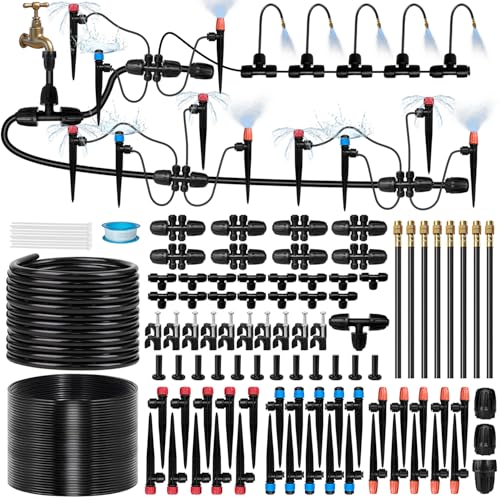
【Upgraded Tube Design & Water Saving】 Our garden watering system is upgraded to 1/2” diameter to support high water pressure. The 1/2” tee connector allows seamless splitting into 2 independent zones for customized watering schedules. By delivering moisture directly to root zones, this drip Irrigation system significantly reduces evaporation and runoff—saving more water compared to conventional sprinklers while eliminating the need for manual watering.

NO MORE HARD INSTALLATION - SET UP IN MINUTES. Tired of struggling with stiff barbed fittings? This drip irrigation system features quick-connect fittings that let you push, lock, and secure tubing effortlessly. No tools, no leaks, just a smooth setup experience. Enjoy a frustration-free installation and get your garden watering system running in minutes.
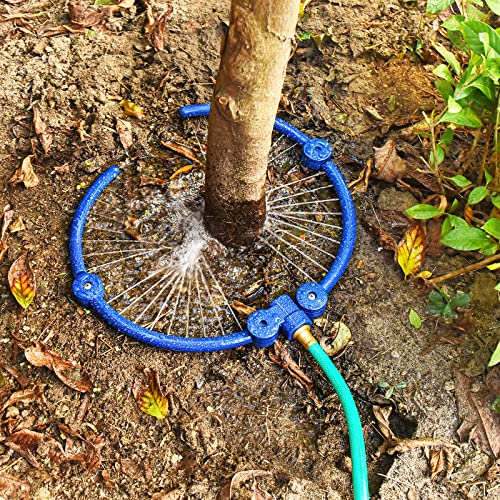
【Specially Designed for Trees and Shrubs】 The Watering Ring is a multi-purpose irrigation ring that attaches to a garden hose to efficiently water young trees shrubs vegetables or flower beds using drip or trickle irrigation.It directs water to the root perimeter of the plant to give them a good start during the first two growing seasons or through periods of drought.
Almond Tree Growth Influencers in Oakland
Almond trees thrive in Oakland’s unique microclimate, influenced by various environmental factors. Understanding these growth influencers is essential for successful cultivation, as they can significantly affect yield and tree health. This section explores the key elements that contribute to the optimal growth of almond trees in the Bay Area.
Several factors influence the growth and productivity of almond trees in Oakland. Understanding these elements helps in making informed decisions for optimal care.
Soil Quality: Almond trees prefer well-drained, sandy loam soils with a pH between 6.0 and 7.5.
Water Availability: Adequate irrigation is crucial, especially during dry summer months. Deep watering encourages strong root development.
Sunlight Exposure: Almond trees require full sun for at least six hours daily to produce healthy nuts.
Essential Almond Tree Care Practices
Caring for almond trees in Oakland requires an understanding of the unique microclimate of the Bay Area. By implementing specific practices tailored to the region’s conditions, growers can ensure healthier trees and better yields. This section outlines the essential care techniques to help almond trees thrive in this distinctive environment.
The following table summarizes essential care practices for almond trees in Oakland.
| Care Aspect | Recommended Action | Frequency | Notes |
|---|---|---|---|
| Irrigation | Deep soak | Weekly during summer | Adjust based on rainfall |
| Fertilization | Balanced fertilizer | Early spring | Follow soil test results |
| Pruning | Remove dead or crossing branches | Late winter | Promotes airflow |
| Pest Control | Organic pesticides | As needed | Monitor regularly |
Almond Tree Seasonal Care Strategies
Caring for almond trees in Oakland requires an understanding of the unique microclimate of the Bay Area. Seasonal care strategies play a crucial role in ensuring healthy growth and optimal yields. This section outlines essential practices tailored to the region’s specific climate conditions, helping growers maintain vibrant and productive almond orchards.
Seasonal care is vital for maintaining healthy almond trees. Each season presents unique challenges and opportunities for growth.
Spring: Fertilize with a balanced fertilizer to support new growth. Monitor for pests and diseases.
Summer: Ensure consistent watering. Mulch around the base to retain moisture and suppress weeds.
Fall: Prepare for winter by pruning and cleaning up fallen debris to prevent disease.
Winter: Protect young trees from frost. Consider wrapping trunks if temperatures drop significantly.
Pests and Diseases Affecting Oakland Almond Trees
Almond trees in Oakland, CA, can face various pests and diseases that threaten their health and productivity. Understanding these challenges is crucial for local growers to implement effective management strategies. This section delves into the specific pests and diseases that commonly affect almond trees in the Bay Area microclimate.
Almond trees in Oakland face specific pests and diseases that can hinder growth. Identifying these issues early is crucial for effective management.
Peach Twig Borer: A common pest that can damage new growth. Use organic insecticides for control.
Brown Rot: Fungal disease affecting blossoms and fruit. Proper sanitation and timely fungicide applications can mitigate this risk.
Leaf Scorch: Caused by environmental stress. Ensure adequate watering and avoid excessive heat exposure.
Almond Cultivation Logistics in Oakland
Almond cultivation in Oakland presents unique challenges and opportunities due to the region’s specific microclimate. Understanding the logistics involved, from soil preparation to irrigation practices, is crucial for successful almond farming. This section delves into the essential factors that influence almond production in this vibrant Bay Area setting.
Implementing effective logistics can streamline almond cultivation efforts in Oakland. Consider the following strategies.
Irrigation Systems: Installing drip irrigation can conserve water and provide consistent moisture.
Harvest Timing: Monitor nut maturity closely. Harvest when nuts begin to fall for optimal quality.
Storage Solutions: Use cool, dry conditions for storing harvested almonds to maintain freshness.
Seasonal Care Tips for Almond Growers
Caring for almond trees in Oakland requires an understanding of the unique microclimate of the Bay Area. Seasonal fluctuations can significantly impact growth and yield, making it essential for growers to adopt tailored practices. This section provides practical tips for managing almond trees throughout the year, ensuring optimal health and productivity.
Neglecting seasonal care can lead to reduced yields and tree health issues. Regular monitoring and timely interventions are essential for successful almond cultivation.
