

Quince trees thrive in Indianapolis, IN, when provided with proper care and attention. To ensure successful growth, focus on selecting the right variety, understanding soil requirements, and implementing effective pest management strategies.
Choosing Ideal Quince Varieties for Indianapolis
Selecting the right quince varieties is crucial for successful cultivation in Indianapolis. The local climate and soil conditions can significantly influence which types will thrive, making informed choices essential for gardeners. This section explores the best quince varieties suited for the region, ensuring optimal growth and fruit production.
Choosing the correct quince variety is crucial for successful cultivation in Indianapolis. Different varieties have unique characteristics that affect growth and fruit quality. Consider the following popular options:
Pineapple Quince: Known for its sweet flavor and aromatic fruit.
** Smyrna Quince**: Larger fruit with a smooth texture, ideal for cooking.
Orange Quince: Bright color and excellent for preserves.
Each variety has specific growing conditions and care requirements. Researching local climate conditions will help in making the best choice.
Quince Tree Soil Quality Essentials
Understanding the soil quality requirements for quince trees is crucial for successful cultivation in Indianapolis. The right soil conditions can significantly impact growth, fruit production, and overall tree health. This section delves into the essential soil characteristics needed to create an optimal environment for quince trees in the region.
Soil quality significantly impacts the health of quince trees. They prefer well-draining, loamy soil with a pH between 6.0 and 7.0.
Conduct a soil test to determine nutrient levels and pH. Here are essential soil amendments to consider:
Organic Matter: Incorporate compost to enhance soil structure and fertility.
pH Adjusters: Use lime to raise pH or sulfur to lower it, as needed.
Fertilizers: Apply a balanced fertilizer in early spring to support growth.
A well-prepared soil foundation leads to healthier trees and better fruit yields.
Quince Tree Watering Guidelines
Proper watering is crucial for the health and productivity of quince trees in Indianapolis. Understanding the specific needs of these trees can help ensure they thrive in the local climate. This section provides essential guidelines for effectively watering quince trees, promoting robust growth and fruit production.
Proper watering is essential for quince tree health. These trees require consistent moisture, especially during dry spells. Follow these guidelines to ensure adequate hydration:
Deep Watering: Water deeply once a week during dry periods to encourage deep root development.
Mulching: Apply a layer of organic mulch around the base to retain moisture and suppress weeds.
Drainage: Ensure proper drainage to prevent root rot, especially in heavy clay soils.
Monitoring soil moisture levels can help maintain optimal conditions for growth.
Pest Control Techniques for Quince Trees
Maintaining healthy quince trees in Indianapolis requires vigilant pest control to ensure robust growth and fruit production. This section explores effective techniques tailored to the local climate and common pests, providing practical strategies to protect your trees while promoting their overall vitality. By implementing these methods, you can safeguard your quince trees against potential threats.
Quince trees can be susceptible to various pests and diseases. Effective pest management is vital for maintaining tree health. Consider these strategies:
Regular Inspections: Check for signs of pests such as aphids, spider mites, and codling moths.
Natural Predators: Encourage beneficial insects like ladybugs to control pest populations.
Organic Pesticides: Use neem oil or insecticidal soap as a last resort for severe infestations.
Implementing these practices will help protect your quince trees from common threats.
Recommended Products

KILLS LISTED FRUIT & CITRUS TREE INSECTS: Controls Asian Citrus Psyllid, Whiteflies, Aphids Thrips, Citrus Leafminers, Leafhoppers, Blackfly, Mealybugs, Scales, Avocado Lacebugs, Oriental Beetles, Flea Beetles, Sharpshooters, and Spittlebugs

INSECT KILLER: Fast-acting formula kills listed insects including aphids, Japanese beetles, caterpillars, whiteflies, and other listed pests on contact

Kill borers, miners and more in your lawn and garden with Annual Tree & Shrub Insect Control Concentrate with Systemaxx from Bonide
Quince Tree Care Requirements and Practices
Caring for quince trees in Indianapolis requires understanding their specific needs to thrive in the local climate. From soil preparation to watering techniques, each aspect of quince tree care plays a crucial role in ensuring healthy growth and fruit production. This section delves into essential practices and requirements to help you cultivate a successful quince tree in your garden.
| Factor | Requirement | Best Practices |
|---|---|---|
| Soil Type | Loamy | Incorporate compost |
| pH Level | 6.0 – 7.0 | Test and amend as needed |
| Watering Frequency | Weekly | Deep watering |
| Pest Control | Regular monitoring | Use organic methods |
This table summarizes the essential care factors for quince trees, helping you stay organized and informed.
Best Planting Time for Quince Trees
Timing is crucial when planting quince trees in Indianapolis to ensure optimal growth and fruit production. Understanding the local climate and seasonal patterns will help you choose the best time for planting, setting the foundation for a thriving tree. This section will guide you through the ideal planting times specific to the region.
Timing is critical when planting quince trees in Indianapolis. The best time to plant is in early spring after the last frost. Consider the following:
Site Selection: Choose a location with full sun exposure and good air circulation.
Spacing: Space trees at least 15 feet apart to allow for growth.
Preparation: Prepare the planting hole with amended soil to facilitate root establishment.
Proper timing and preparation lead to successful planting and growth.
Recommended Products

Grow the planet's most massive tree species from seed!
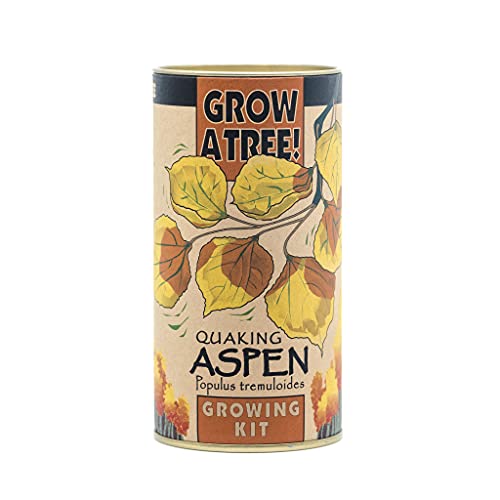
Grow a cherished icon of North America's high country from seed!

Pruning Strategies for Quince Tree Health
Pruning quince trees is essential for maintaining their health and productivity, especially in the unique climate of Indianapolis. Proper techniques can enhance fruit quality and encourage robust growth, making it crucial for local gardeners to understand the best practices. This section explores effective pruning strategies tailored to ensure the vitality of quince trees in the region.
Pruning quince trees encourages healthy growth and fruit production. Focus on the following techniques:
Timing: Prune in late winter or early spring before new growth begins.
Shape: Aim for an open center to allow light penetration and air circulation.
Removal: Eliminate dead or diseased branches to promote overall tree health.
Regular pruning helps maintain the tree’s structure and enhances fruit quality.
Soil Health Strategies for Quince Trees
Maintaining optimal soil health is crucial for the successful growth of quince trees in Indianapolis. The right soil conditions not only support robust root development but also enhance fruit quality and yield. This section explores effective strategies to ensure your soil is well-prepared for thriving quince trees.
Neglecting soil health can lead to poor growth and reduced fruit production. Regular soil testing and amendments are essential.
Quince Cultivation Strategies for Indianapolis
Successfully cultivating quince trees in Indianapolis requires an understanding of the local climate and soil conditions. This section explores effective strategies tailored to the region, focusing on optimal planting techniques, care routines, and pest management practices that can enhance growth and fruit production. By applying these pro tips, gardeners can achieve a thriving quince harvest.
Successful quince cultivation in Indianapolis hinges on variety selection, soil preparation, and diligent care. Implementing these strategies will yield fruitful results and a thriving garden.
