

Growing almond trees in San Antonio, TX requires a focus on water conservation and proper soil management. With the right techniques, you can cultivate healthy trees that thrive in the region’s climate while minimizing water usage.
Almond Tree Growth Conditions in San Antonio
Almond trees thrive in well-drained soil and require full sun exposure for optimal growth. In San Antonio, the climate is generally favorable, but hot summers necessitate careful water management. Understanding the specific needs of almond trees can help ensure a successful harvest.
Recommended Products
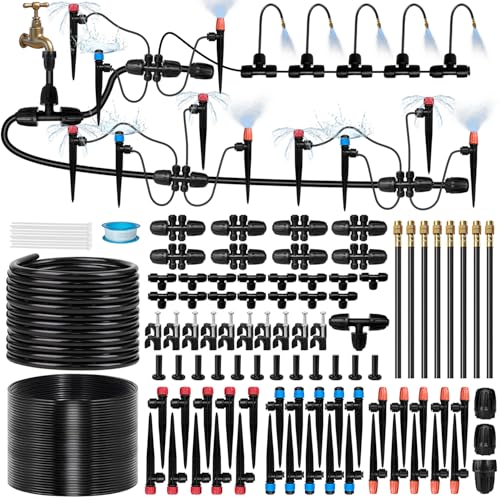
【Upgraded Tube Design & Water Saving】 Our garden watering system is upgraded to 1/2” diameter to support high water pressure. The 1/2” tee connector allows seamless splitting into 2 independent zones for customized watering schedules. By delivering moisture directly to root zones, this drip Irrigation system significantly reduces evaporation and runoff—saving more water compared to conventional sprinklers while eliminating the need for manual watering.

NO MORE HARD INSTALLATION - SET UP IN MINUTES. Tired of struggling with stiff barbed fittings? This drip irrigation system features quick-connect fittings that let you push, lock, and secure tubing effortlessly. No tools, no leaks, just a smooth setup experience. Enjoy a frustration-free installation and get your garden watering system running in minutes.
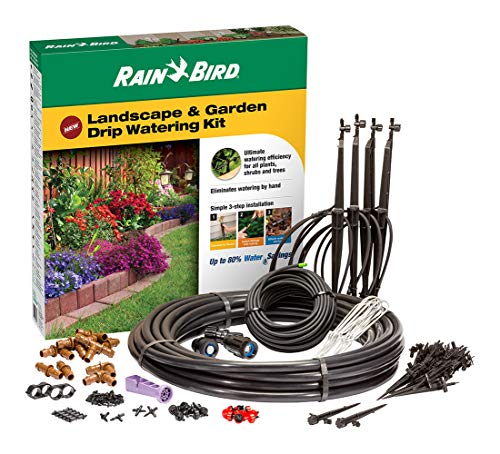
Comprehensive 108-piece kit for flower beds, gardens and landscaped areas; eliminates hand watering, saves time and money
Soil Quality and Drainage Techniques
Understanding soil quality and effective drainage techniques is crucial for successfully growing almond trees in San Antonio’s unique climate. The right soil conditions not only support healthy growth but also ensure that water is managed efficiently, which is essential in a region where water conservation is a priority. Exploring these factors will help optimize almond cultivation while promoting sustainability.
Proper soil preparation is crucial for almond tree growth. Almond trees prefer sandy loam or clay loam that drains well. Here are essential steps for soil preparation:
Test soil pH: Aim for a pH between 6.0 and 7.5.
Amend soil: Incorporate organic matter like compost to improve drainage.
Ensure drainage: Create raised beds if necessary to prevent waterlogging.
| Soil Type | pH Range | Drainage Quality |
|---|---|---|
| Sandy Loam | 6.0-7.5 | Excellent |
| Clay Loam | 6.0-7.5 | Good |
| Silty Soil | 6.0-7.5 | Moderate |
Irrigation Strategies for Almond Trees
Effective irrigation is crucial for successfully growing almond trees in San Antonio’s unique climate. With water conservation in mind, implementing the right strategies can enhance tree health and yield while minimizing resource use. This section explores various irrigation techniques tailored to the region’s conditions, ensuring a sustainable approach to almond cultivation.
Efficient irrigation is essential for almond trees, especially in a water-scarce environment. Implementing water-wise techniques can significantly reduce water consumption while promoting healthy growth.
Drip irrigation: Install a system that delivers water directly to the root zone.
Mulching: Apply organic mulch around the base to retain soil moisture.
Rainwater harvesting: Collect rainwater for irrigation during dry spells.
Almond Tree Pest Control Strategies
Effective pest control is crucial for the successful cultivation of almond trees in San Antonio, TX, where unique environmental challenges can impact tree health. Understanding common pests and implementing targeted strategies will help ensure robust growth and a bountiful harvest while maintaining water-wise practices. This section explores practical approaches to managing pests that threaten almond trees in this region.
Pest and disease management is vital for the health of almond trees. Regular monitoring and preventive measures can help mitigate risks. Consider these strategies:
Inspect regularly: Look for signs of pests like aphids or spider mites.
Use organic pesticides: Apply neem oil or insecticidal soap as needed.
Promote beneficial insects: Encourage ladybugs and lacewings to control pests naturally.
Nutrient Management for Almond Trees
Effective nutrient management is crucial for the successful growth of almond trees in San Antonio’s unique climate. Understanding the specific nutrient needs of these trees will help optimize their health and yield while conserving water resources. This section delves into the essential nutrients required and best practices for their application in a sustainable manner.
Fertilization plays a significant role in the growth of almond trees. A balanced approach ensures trees receive necessary nutrients without over-fertilizing. Follow these guidelines:
Soil testing: Conduct tests to determine nutrient deficiencies.
Use a balanced fertilizer: Opt for a 10-10-10 NPK formula.
Timing: Fertilize in early spring before new growth begins.
| Nutrient | Function | Source |
|---|---|---|
| Nitrogen | Promotes leaf growth | Urea, compost |
| Phosphorus | Supports root development | Bone meal, rock phosphate |
| Potassium | Enhances fruit quality | Potash, greensand |
Almond Harvest Timing and Techniques
Understanding the optimal timing and techniques for harvesting almonds is crucial for maximizing yield and quality in San Antonio’s unique climate. This section delves into the best practices for determining the right moment to harvest, as well as the methods that ensure a successful and efficient almond collection process.
Harvesting almonds requires careful timing and technique to ensure quality. Knowing when and how to harvest is essential for maximizing yield.
Monitor nut maturity: Harvest when the hulls begin to split.
Use mechanical harvesters: For larger orchards, consider investing in a mechanical harvester.
Dry nuts properly: Ensure nuts are dried in a well-ventilated area to prevent mold.
Watering Guidelines for Almond Trees
Proper watering is crucial for the successful growth of almond trees, especially in the unique climate of San Antonio, TX. Understanding the specific watering needs of these trees will help ensure they thrive while conserving water, making it essential to follow tailored guidelines that promote healthy development and sustainable practices.
Overwatering can lead to root rot and tree decline. Always check soil moisture before watering.
Recommended Products
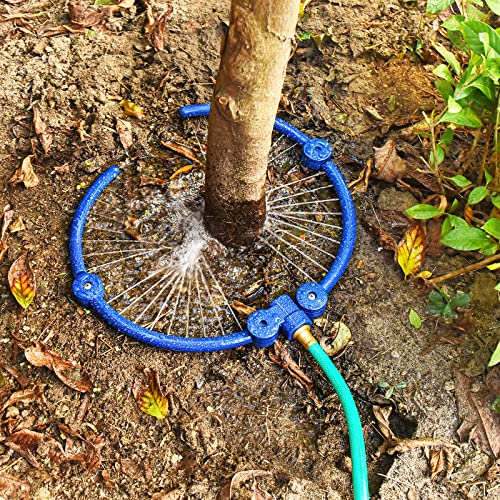
【Specially Designed for Trees and Shrubs】 The Watering Ring is a multi-purpose irrigation ring that attaches to a garden hose to efficiently water young trees shrubs vegetables or flower beds using drip or trickle irrigation.It directs water to the root perimeter of the plant to give them a good start during the first two growing seasons or through periods of drought.

🍀【Extra-Long 50FT 5/16” Mainline Tubing】 With 50 feet of premium 5/16” main tubing, you have more flexibility to build a central watering path across larger garden layouts. The enhanced flow capacity supports multiple emitters with consistent water pressure throughout your irrigation zones.

【Universal 1/4 Inch Size Set】- Designed for US market compatibility,MIXC new drip irrigation system set uses 1/4 inch (6mm) components to address potential mismatches with standard hoses, unlike some 5/16 inch systems. It includes 2-way connectors, tubing, and 3-way connectors to help users set up DIY garden irrigation more conveniently.
Water Management Strategies for Almond Trees
Effective water management is crucial for successfully growing almond trees in San Antonio’s unique climate. With its hot summers and variable rainfall, implementing strategic irrigation practices can enhance tree health and yield. This section explores various water management strategies tailored to optimize almond production while conserving valuable water resources.
Growing almond trees in San Antonio can be rewarding with the right approach to water management and care. Implementing these strategies will help you achieve a successful harvest while conserving water resources.
Recommended Products

【Universal 1/4 Inch Size Set】- Designed for US market compatibility,MIXC new drip irrigation system set uses 1/4 inch (6mm) components to address potential mismatches with standard hoses, unlike some 5/16 inch systems. It includes 2-way connectors, tubing, and 3-way connectors to help users set up DIY garden irrigation more conveniently.

Everything in One Box – Everything included: 100FT 1/4" tubing, 24 nozzles, connectors, stakes, ties & end caps. Covers small/medium gardens effortlessly

✔Comprehensive Drip Irrigation Kit:MIXC drip irrigation system, equipped with a versatile range of components, caters to all your garden watering needs.Includes essential parts such as 197ft 1/4'' irrigation tube, 33ft 1/2'' irrigation tube, 1/2‘’ Lock Barbed Tee connectors, drip emitter streams, vortex emitters, Blue Mist Nozzles, Quick connection tees, Faucet Connector, and more.
