

Quince trees can thrive in pots in Kansas if proper care and protection strategies are implemented. Container gardening allows for mobility and easier management of environmental conditions, which is crucial given Kansas’s variable climate.
Container Growth for Quince Trees in Kansas
Quince trees are deciduous fruit-bearing plants that can adapt well to container growth. They require well-draining soil and adequate sunlight to flourish. In Kansas, where temperatures can fluctuate, growing quince in pots provides the flexibility to move them indoors during extreme weather. This adaptability can enhance their growth and fruit production.
Recommended Products

The Quince has a beautiful red single-petal bloom. Agriculutral restricts shipping to California and Arizonia

Well-Rooted Starter Plant: Well-rooted cutting in a 4" pot, this tree is ready for planting in your garden or container.

✅ One Aromatnaya Quince plant, a grafted tree 4-5 feet tall. This tree is self-fertile. It is suitable for U.S.D.A. hardiness zones 5A through 9B. Mature height is 20 to 25 feet, with a mature width of 12 to 15 feet. Spacing of 12 to 15 feet is recommended. It requires partial to full sun.
Optimal Potting Conditions for Quince Trees
Growing quince trees in pots can be a rewarding endeavor, especially in Kansas where the climate poses unique challenges. Understanding the optimal potting conditions is essential for ensuring healthy growth and fruit production. This section outlines the key factors to consider when potting quince trees, including soil type, pot size, and drainage requirements.
When selecting a pot for your quince tree, consider the following factors to ensure optimal growth:
Pot Size: Choose a pot that is at least 18-24 inches in diameter to accommodate root growth.
Drainage: Ensure the pot has drainage holes to prevent waterlogging.
Soil Type: Use a well-draining potting mix enriched with organic matter.
| Factor | Recommendation |
|---|---|
| Pot Size | 18-24 inches |
| Drainage | Essential holes |
| Soil Type | Well-draining mix |
Seasonal Care for Potted Quince Trees
Caring for potted quince trees in Kansas requires a keen understanding of seasonal changes and their impact on growth. As temperatures fluctuate throughout the year, specific strategies are essential to ensure these trees thrive in containers. This section outlines the seasonal care techniques necessary to protect and nurture quince trees, enabling successful cultivation even in a pot.
Kansas experiences harsh winters and hot summers, making seasonal protection vital for quince trees in pots. Implement the following strategies to shield your trees from extreme temperatures:
Winter Protection: Move pots to a sheltered area or wrap them with insulating materials to prevent root freeze.
Summer Care: Place pots in partial shade during peak sun hours to avoid heat stress.
Water Management: Adjust watering frequency based on seasonal changes to prevent drought or overwatering.
Fertilization and Watering Techniques for Quince Trees
Fertilizing and watering quince trees in pots requires careful attention, especially in Kansas’ variable climate. Proper techniques can significantly enhance growth and fruit production, ensuring that these trees thrive despite the challenges posed by their containerized environment. Understanding the specific needs of quince trees will help you cultivate healthy plants that can flourish in pots.
Proper fertilization and watering are crucial for the health of quince trees in pots. A balanced fertilizer will support growth, while a consistent watering schedule will ensure the soil remains adequately moist.
Fertilization: Use a balanced fertilizer every 4-6 weeks during the growing season.
Watering: Check the top inch of soil; if dry, thoroughly water the tree until excess drains from the bottom.
Recommended Products
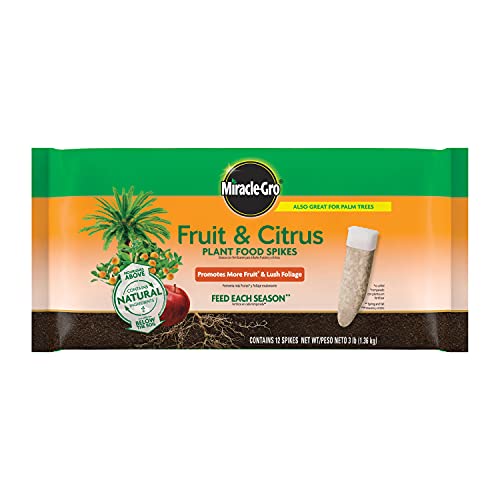
FORMULATED FOR CITRUS AND FRUIT TREES: Use these citrus fertilizer spikes on apple, orange, lemon, lime, and avocado trees; this formula is also great for feeding palm trees

Made for Lemon & Citrus Trees – Formulated to support healthy growth in lemon trees and citrus plants

🌳Olive & Fruit Trees: 6-4-6 fertilizer for fruit trees—ideal olive tree fertilizer for potted & outdoor trees; supports healthy growth and fruiting.
Pests and Diseases Affecting Quince Trees
Quince trees, while beautiful and fruitful, can face various pests and diseases that threaten their health, especially when grown in pots. In Kansas, where environmental conditions can fluctuate, understanding these threats is crucial for successful cultivation. This section explores the common pests and diseases that affect quince trees and offers insights on how to manage them effectively.
Quince trees can be susceptible to various pests and diseases, especially when grown in pots. Monitoring for these issues is essential to maintain tree health.
Pests: Watch for aphids and spider mites. Use insecticidal soap if infestations occur.
Diseases: Fungal infections like powdery mildew can affect leaves. Ensure good air circulation and avoid overhead watering.
| Pest/Disease | Symptoms | Treatment |
|---|---|---|
| Aphids | Curling leaves | Insecticidal soap |
| Spider Mites | Webbing | Neem oil spray |
| Powdery Mildew | White spots | Fungicide |
Quince Tree Harvest and Pruning Tips
Harvesting and pruning quince trees are essential practices for maximizing fruit yield and maintaining tree health, especially when growing in pots. Understanding the right timing for harvest and the best techniques for pruning can significantly impact the quality of the fruit and the overall vigor of the tree. This section provides practical tips tailored for quince trees in Kansas.
Once your quince tree begins to produce fruit, knowing when and how to harvest is essential. Proper pruning will also help maintain the tree’s shape and health.
Harvesting: Quince fruits are ready when they turn yellow and emit a fragrant aroma. Gently twist the fruit to detach it from the tree.
Pruning: Prune in late winter to remove dead or crossing branches, promoting better air circulation and fruit production.
Container Care Tips for Quince Trees
Growing quince trees in containers can be a rewarding endeavor, especially for those in Kansas looking to maximize their gardening space. Proper care and attention to specific needs are essential for ensuring these trees thrive in pots. The following tips will help you maintain healthy quince trees while adapting to the unique challenges of container gardening.
Growing quince trees in pots can be rewarding, but it requires attention to detail. Monitor environmental conditions and adjust care routines as necessary. Be vigilant about pests and diseases, and ensure proper seasonal protection.
Quince trees can thrive in pots with the right strategies. Proper care will lead to healthy growth and bountiful fruit production.
