

Pomegranate trees thrive in Texas when planted in well-drained soil and receive ample sunlight. Proper care and attention to local climate conditions can significantly enhance fruit production and tree health.
Texas Soil Requirements for Pomegranate Growth
Pomegranate trees prefer well-drained soil with a pH between 5.5 and 7.0. Texas soil varies widely, so understanding local conditions is crucial. Sandy loam or clay loam soils are ideal for these trees. Testing soil before planting can help determine necessary amendments.
Soil Testing Methods for Pomegranate Growth
Understanding the soil composition is crucial for successfully cultivating pomegranate trees in Texas. By employing effective soil testing methods, you can identify nutrient deficiencies and pH levels that directly impact growth and fruit production. This section outlines practical techniques to assess your soil, ensuring your pomegranate trees thrive in the unique conditions of Lone Star soil.
Testing your soil is essential for successful pomegranate cultivation. Here are steps to follow for effective soil testing:
Collect samples from multiple locations in your garden.
Mix samples together in a clean bucket.
Send samples to a local agricultural extension service for analysis.
Review results to identify pH and nutrient levels.
| Soil Component | Ideal Range |
|---|---|
| pH Level | 5.5 – 7.0 |
| Nitrogen | Moderate |
| Phosphorus | Moderate |
| Potassium | High |
Best Pomegranate Varieties for Texas Climate
When selecting pomegranate varieties for Texas, it’s essential to consider the state’s unique climate and soil conditions. Certain cultivars thrive better in the heat and humidity, offering the best chances for successful growth and fruit production. This section highlights the top pomegranate varieties suited for the Lone Star State, ensuring a fruitful harvest for local gardeners.
Choosing the right variety of pomegranate is essential for success in Texas. Some varieties are better suited for the climate and soil conditions than others. Consider the following popular options:
Wonderful: Known for its large fruit and high juice yield.
Angel Red: Offers sweet, juicy seeds and is more tolerant of heat.
Parfianka: Produces sweet, flavorful fruit and is drought-resistant.
Variety Selection Factors for Texas Pomegranates
When selecting pomegranate varieties for cultivation in Texas, several factors play a crucial role in ensuring successful growth and fruit production. Understanding the local climate, soil conditions, and disease resistance can help growers choose the most suitable types for their specific region. This section delves into the key considerations for selecting the right pomegranate varieties in the Lone Star State.
When selecting a variety, consider the following factors:
Climate adaptability: Ensure the variety can withstand Texas heat.
Fruit taste: Choose based on personal preference for sweetness or tartness.
Disease resistance: Look for varieties that are resistant to common pests and diseases.
Effective Watering Strategies for Pomegranate Trees
Watering is crucial for the health and productivity of pomegranate trees, especially in the diverse climates of Texas. Understanding the specific needs of these trees can help ensure they thrive in Lone Star soil. This section outlines effective watering strategies tailored for optimal growth and fruit production.
Proper watering is vital for the health of pomegranate trees. These trees are drought-tolerant but require consistent moisture during the growing season. Follow these guidelines for effective watering:
Establish a deep watering routine: Water deeply once a week during dry spells.
Use mulch: Apply organic mulch around the base to retain moisture.
Monitor soil moisture: Use a moisture meter to avoid overwatering.
Recommended Products

Accurate Soil Moisture Detection: The XLUX Soil Moisture Meter can tell you if the soil deep inside your pot or garden is dry, moist or wet; whereas your eyes and fingers can only determine the moisture level of the soil surface. The probe is 5.5 inches (14 cm) longer than regular styles, allowing it to measure the soil moisture at the bottom of larger and deeper flower pots.

Accurate Soil Moisture Detection: The XLUX Soil Moisture Meter can tell you if the soil deep inside your pot or garden is dry, moist or wet; whereas your eyes and fingers can only determine the moisture level of the soil surface. The probe is 5.5 inches (14 cm) longer than regular styles, allowing it to measure the soil moisture at the bottom of larger and deeper flower pots.

Kindly NOTE: This soil tester can not be applied to test pH value of any other liquid. If the soil is too dry the indicator will not move, and water it before testing.
Identifying Water Stress Indicators
Understanding how to identify water stress indicators in pomegranate trees is crucial for successful cultivation in Texas. With the unique climate and soil conditions of the Lone Star State, recognizing these signs can help ensure optimal growth and fruit production. This section will explore the key indicators that signal when your pomegranate trees need more water.
Recognizing signs of water stress can help you adjust your watering schedule. Watch for:
Wilting leaves: Indicates insufficient water.
Yellowing leaves: May suggest overwatering or nutrient deficiency.
Fruit drop: Can occur if trees are not receiving adequate moisture.
Optimal Fertilizer Use for Pomegranate Trees
To cultivate thriving pomegranate trees in Texas, understanding the right fertilizer application is crucial. The unique soil conditions and climate of the Lone Star State require specific nutrient management strategies to promote healthy growth and fruit production. This section delves into the optimal fertilizer practices tailored for pomegranate trees, ensuring they flourish in Texas landscapes.
Fertilizing pomegranate trees appropriately can enhance fruit production. A balanced fertilizer with an N-P-K ratio of 10-10-10 is often recommended. Follow these steps for effective fertilization:
Apply fertilizer in early spring before new growth begins.
Use a slow-release formula to provide nutrients over time.
Reapply every 6-8 weeks during the growing season.
Recommended Products

🌿 Balanced 10-10-10 Granular Fertilizer for Outdoor & Indoor Plants: All-purpose plant food with 10% Nitrogen, 10% Phosphorus, and 10% Potassium. Perfect for outdoor vegetable gardens, fruit trees, evergreens, shrubs, lawns, and flowers. Also great for potted plants and indoor gardening. One solution for all your plant needs!

🌿 Balanced 10-10-10 Granular Fertilizer for Outdoor & Indoor Plants: All-purpose plant food with 10% Nitrogen, 10% Phosphorus, and 10% Potassium. Perfect for outdoor vegetable gardens, fruit trees, evergreens, shrubs, lawns, and flowers. Also great for potted plants and indoor gardening. One solution for all your plant needs!

🍎 Boosts Budding & Heavy Fruiting – Encourages more flowers, better fruit set, and abundant harvests with bigger, healthier pomegranates.
Nutrient Deficiency Indicators for Pomegranate Trees
Understanding nutrient deficiencies in pomegranate trees is crucial for successful cultivation in Texas. Recognizing the signs of these deficiencies can help ensure optimal growth and fruit production. This section outlines the key indicators to watch for, enabling growers to take timely action and maintain healthy trees in Lone Star soil.
Be aware of signs indicating nutrient deficiencies:
Nitrogen deficiency: Stunted growth and yellowing leaves.
Phosphorus deficiency: Poor fruit development and dark green leaves.
Potassium deficiency: Leaf scorch and fruit splitting.
Pest Control Strategies for Pomegranate Cultivation
Managing pests effectively is crucial for the successful cultivation of pomegranate trees in Texas. With the unique challenges posed by the local climate and soil conditions, implementing targeted pest control strategies can help ensure healthy growth and fruitful yields. This section explores various methods tailored to protect your pomegranate trees from common pests in the Lone Star State.
Pomegranates can attract various pests, making pest management essential. Regular inspections can help identify and address issues early. Common pests include:
Pomegranate fruit borer: Causes holes in fruit.
Aphids: Can lead to leaf curl and reduced vigor.
Spider mites: Result in stippled leaves and webbing.
Recommended Products
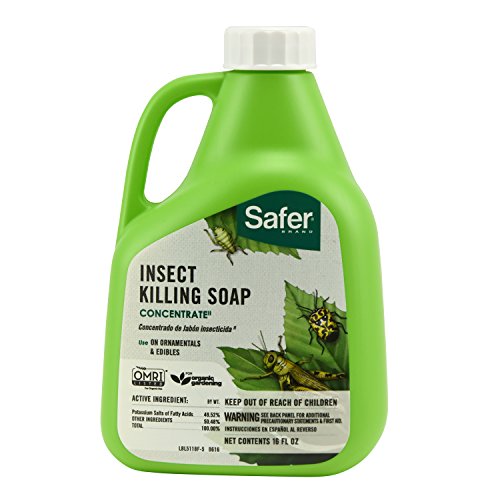
GENTLE ON MOST PLANTS - This aphid spray is ideal for use on flowers, herbs, vegetables, houseplants, lawn, tree, shrubs, and more
Protect Plants from Insects - Kills a variety of soft-bodied insect pests, including aphids, mealybugs, whiteflies, leafhopper, spider mites, and more

Pest Control Strategies for Pomegranate Trees
Pomegranate trees thrive in Texas, but they can face various pest challenges that threaten their growth and fruit production. Understanding effective pest control strategies is essential for maintaining healthy trees and ensuring a bountiful harvest. This section delves into practical methods to protect your pomegranate trees from common pests found in Lone Star soil.
Implementing integrated pest management can reduce pest populations effectively:
Encourage beneficial insects: Ladybugs and lacewings can help control aphids.
Use insecticidal soap: Apply to affected areas to manage soft-bodied insects.
Regularly monitor: Check for signs of pests and take action promptly.
Pomegranate Harvest Timing and Techniques
Understanding the optimal timing and techniques for harvesting pomegranates is crucial for maximizing yield and quality in Texas. This section delves into the best practices for determining when to pick your fruit, ensuring that you enjoy the full flavor and nutritional benefits of your pomegranate trees. Proper harvesting methods can significantly impact the overall success of your crop.
Harvesting pomegranates at the right time ensures the best flavor and quality. Pomegranates typically ripen in late summer to early fall. Follow these steps for successful harvesting:
Check color: Look for a deep, vibrant color indicating ripeness.
Test firmness: Ripe fruit should feel firm but slightly give under pressure.
Use pruning shears: Cut the fruit from the tree to avoid damage.
Post-Harvest Pomegranate Handling Tips
Proper handling of pomegranates after harvest is crucial for maintaining their quality and extending shelf life. In Texas, where the climate can be challenging, following specific post-harvest practices can make a significant difference in preserving the fruit’s flavor and appearance. This section outlines essential tips for effectively managing your pomegranate harvest.
After harvesting, handle pomegranates carefully to prevent bruising. Store them in a cool, dry place for optimal freshness.
Pomegranate trees can flourish in Texas with the right care and attention to local conditions. Implementing these strategies will lead to a fruitful harvest.
