

Using neem oil on mango trees effectively combats pests and diseases while supporting organic farming practices. This natural pesticide provides a safe alternative to synthetic chemicals, promoting healthier fruit production and tree vitality.
Neem Oil Efficacy for Mango Tree Health
Neem oil is derived from the seeds of the neem tree and contains azadirachtin, a compound that disrupts the life cycle of pests. It is effective against aphids, spider mites, and whiteflies, making it essential for mango tree health. Additionally, neem oil has antifungal properties that help prevent diseases like powdery mildew and anthracnose.
Using neem oil can enhance the overall resilience of mango trees. This organic solution not only protects against harmful insects but also encourages beneficial insects to thrive. Regular application can lead to a significant reduction in pest populations.
Neem Oil Application Symptoms and Solutions
Understanding the symptoms of neem oil application on mango trees is crucial for effective organic farming. This section explores common issues that may arise from its use and provides practical solutions to ensure the health and productivity of your mango trees. By recognizing these signs early, you can maintain a thriving organic orchard.
| Symptom | Primary Suspect | Difficulty (1-5) |
|---|---|---|
| Leaf discoloration | Aphids | 2 |
| Premature fruit drop | Spider mites | 3 |
| Fungal growth | Powdery mildew | 4 |
| Stunted growth | Whiteflies | 3 |
Neem Oil Preparation for Mango Trees
Preparing neem oil for application on mango trees is a crucial step in organic farming. Proper preparation ensures that the oil retains its beneficial properties while effectively combating pests and diseases. This section provides detailed guidance on how to mix and apply neem oil to maximize its effectiveness for your mango trees.
Before applying neem oil, proper preparation is crucial for effectiveness. Start with a high-quality neem oil product, preferably cold-pressed, to ensure maximum potency. Mix it with water and a mild soap to enhance its adherence to leaves.
Preparing Neem Oil Solution for Mango Trees
Preparing a neem oil solution is essential for effectively protecting mango trees from pests and diseases in organic farming. This section provides detailed guidance on the correct proportions and methods to create a neem oil mixture that maximizes its benefits while ensuring the health of your mango trees. Understanding this preparation is crucial for successful organic cultivation.
Measure 2 tablespoons of neem oil.
Add 1 tablespoon of mild liquid soap.
Combine with 1 gallon of water in a spray bottle.
Shake thoroughly to mix.
Optimal Neem Oil Application Times
Understanding the best times to apply neem oil is crucial for maximizing its effectiveness on mango trees. This section delves into the optimal application periods, ensuring that your organic farming practices yield healthy and productive crops while minimizing pest issues and diseases. Timing can significantly influence the benefits of neem oil, making this information essential for successful mango cultivation.
Timing is essential when applying neem oil. Early morning or late evening is ideal, as temperatures are cooler and beneficial insects are less active. Avoid applying during peak sunlight hours to prevent leaf burn.
Neem Oil Application Techniques for Mango Trees
Applying neem oil effectively to mango trees is crucial for maximizing its benefits in organic farming. This section outlines various techniques to ensure proper application, helping to control pests and diseases while promoting healthy growth. Understanding these methods will enhance your approach to sustainable mango cultivation.
Spray the neem oil solution on the upper and lower leaf surfaces.
Cover the entire tree, focusing on affected areas.
Repeat every 7-14 days, especially after rain.
Common Mango Tree Pest Identification
Identifying pests that threaten mango trees is crucial for effective organic farming. This section provides detailed descriptions of common pests that can infest mango trees, helping growers recognize early signs of trouble. Understanding these pests will enable farmers to take timely action and protect their crops while adhering to organic practices.
Recognizing pests is vital for effective management. Common pests that affect mango trees include:
Aphids: Small, green insects that suck sap from leaves.
Spider mites: Tiny, spider-like pests that create webbing.
Whiteflies: Small, white insects that cause leaf yellowing.
Recommended Products

FUNGAL DISEASE CONTROL: Prevents and controls black spot on roses, powdery mildew, rust, downy mildew, and other listed fungal diseases when applied on a 7–14 day schedule

FOR ORGANIC GARDENING - Captain Jack's NeemMax is a perfect pest control solution for any garden dealing with mites, flies, mildew, and more. This product is a four-in-one insecticide, fungicide, miticide, and nematicide.

Protect your oasis with Captain Jack’s Neem Max Ready-to-Use Spray; this multipurpose product acts as a 4-in-1 insecticide, fungicide, miticide and nematicide
Neem Oil for Pest Control in Mango Trees
Neem oil is a powerful natural remedy for managing pests in mango trees, offering an effective solution for organic farmers. Its unique properties not only deter harmful insects but also promote the overall health of the trees. Understanding how to properly use neem oil can significantly enhance pest control efforts while maintaining an eco-friendly approach to mango cultivation.
Implementing integrated pest management strategies can enhance neem oil effectiveness. Combining neem oil with other organic methods can create a robust defense against pests.
Encourage beneficial insects like ladybugs and lacewings.
Use traps to monitor pest populations.
Maintain tree health through proper watering and fertilization.
Neem Oil’s Role in Fungal Control for Mango Trees
Neem oil is a powerful natural remedy for managing fungal issues in mango trees, making it an essential tool for organic farmers. Its active compounds not only inhibit fungal growth but also promote overall tree health. Understanding how to effectively use neem oil can lead to healthier mango crops and a more sustainable farming approach.
Fungal diseases can severely impact mango trees. Neem oil’s antifungal properties can help manage these issues effectively.
Recommended Products

Protect your oasis with Captain Jack’s Neem Max Ready-to-Spray solution; this multipurpose product acts as a 4-in-1 insecticide, fungicide, miticide and nematicide

Protect your oasis with 3 garden products in 1 from Captain Jack’s; Captain Jack’s Ready-to-Use Neem Oil spray for plants is a multi-purpose fungicide, insecticide and miticide for your lawn and garden

FOR ORGANIC GARDENING: Use in & around the home & garden on roses, flowers, houseplants, ornamental trees & shrubs, fruits & vegetables
Fungal Threats to Mango Trees
Mango trees are susceptible to various fungal threats that can significantly impact their health and fruit production. Understanding these pathogens is crucial for organic farmers aiming to protect their crops while maintaining sustainable practices. This section delves into the common fungal issues that affect mango trees and offers insights on effective management strategies.
Powdery mildew: White, powdery spots on leaves.
Anthracnose: Dark spots on fruit and leaves.
Air Circulation Techniques for Mango Trees
Proper air circulation is vital for the health of mango trees, especially when using neem oil for pest management. Effective airflow helps reduce humidity and prevents fungal diseases, ensuring that the neem oil can work effectively. Implementing specific techniques can enhance air movement around the trees, promoting a robust growing environment.
Ensure proper air circulation around trees.
Avoid overhead watering to reduce humidity.
Apply neem oil at the first sign of disease.
Practical Logistics for Neem Oil Use
When incorporating neem oil into your organic farming practices for mango trees, understanding the practical logistics is essential. This section outlines key considerations, including application techniques, timing, and dosage, to ensure effective pest control while promoting the health of your mango trees. By following these guidelines, you can maximize the benefits of neem oil in your cultivation efforts.
Using neem oil requires careful planning to ensure its effectiveness. Here are some logistical considerations:
Storage: Keep neem oil in a cool, dark place to maintain potency.
Equipment: Use a dedicated spray bottle to avoid contamination.
Safety: Wear gloves and a mask during application to avoid skin irritation.
Recommended Products
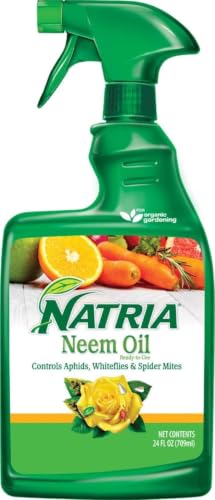
PLANT DISEASE CONTROL: Natria Neem Oil acts as an insecticide and fungicide in one convenient spray; Ready-to-use trigger sprayer requires no mixing

Protect your oasis with Captain Jack’s Neem Max Ready-to-Use Spray; this multipurpose product acts as a 4-in-1 insecticide, fungicide, miticide and nematicide

Testing Neem Oil on Mango Trees
Testing neem oil on mango trees is essential for organic farming, as it offers a natural solution for pest management while promoting plant health. Understanding the effectiveness and application methods of neem oil can help farmers make informed decisions, ensuring a sustainable approach to mango cultivation. This section delves into practical insights and research findings on using neem oil in mango orchards.
Always test a small area of the tree before full application to ensure no adverse reactions occur.
Neem Oil Application Strategies for Mango Health
Employing neem oil on mango trees offers a sustainable approach to pest and disease management. By following proper preparation and application methods, farmers can enhance the health and productivity of their mango crops. Regular monitoring and integrated pest management strategies will further support successful organic farming practices.
