

Using neem oil on guava trees effectively controls pests without harming beneficial insects. This natural solution targets common pests like aphids and whiteflies while promoting tree health.
Neem Oil Efficacy for Guava Tree Health
Neem oil is derived from the seeds of the neem tree and contains compounds that disrupt the life cycle of pests. It acts as an insect repellent, growth regulator, and fungicide. This makes it a versatile option for maintaining the health of guava trees.
Key benefits include:
Safe for beneficial insects
Non-toxic to humans and pets
Effective against a variety of pests
Promotes overall tree health
Common Guava Tree Pests and Symptoms
Guava trees are susceptible to a variety of pests that can significantly impact their health and fruit production. Identifying these common pests and their symptoms is essential for effective management and treatment. This section outlines the most prevalent pests affecting guava trees, helping growers recognize and address issues promptly.
| Pest Type | Symptoms | Control Difficulty (1-5) |
|---|---|---|
| Aphids | Curling leaves, sticky residue | 2 |
| Whiteflies | Yellowing leaves, sooty mold | 3 |
| Spider Mites | Fine webbing, stippled leaves | 4 |
| Scale Insects | Sticky spots, leaf drop | 3 |
Neem Oil Solution Preparation Steps
Preparing neem oil for use on guava trees involves specific steps to ensure its effectiveness as a pest control solution. This process requires careful measurement and mixing to create a potent spray that can target common pests while remaining safe for the trees. Following these preparation steps will help maximize the benefits of neem oil in protecting your guava plants.
Before applying neem oil, it is crucial to prepare the solution correctly. Always use a high-quality neem oil concentrate. Follow these steps to ensure effective pest control:
Mix neem oil with water according to package instructions.
Add a few drops of dish soap to help emulsify the oil.
Stir the mixture thoroughly to combine all ingredients.
Be sure to wear gloves and a mask during preparation to avoid skin irritation and inhalation of fumes.
Recommended Products

#1 BEST PURE NEEM OIL FOR PLANTS: Zuprime Neem Oil concentrate is your go-to neem oil spray for indoor ornamental plants as well as neem oil spray for outdoor ornamental plants. It's made with 100% cold pressed high quality organic neem oil your plants need for a shiny glow.

FOR ORGANIC GARDENING - Captain Jack's NeemMax is a perfect pest control solution for any garden dealing with mites, flies, mildew, and more. This product is a four-in-one insecticide, fungicide, miticide, and nematicide.

FUNGAL DISEASE CONTROL: Prevents and controls black spot on roses, powdery mildew, rust, downy mildew, and other listed fungal diseases when applied on a 7–14 day schedule
Effective Neem Oil Application Techniques
Applying neem oil effectively on guava trees can significantly enhance pest control efforts. Understanding the right techniques for application ensures maximum absorption and efficacy, helping to protect your trees from common pests while promoting healthy growth. This section outlines the best practices for using neem oil to safeguard your guava trees.
Applying neem oil requires careful timing and technique. Here’s how to do it effectively:
Choose a calm day to avoid wind drift.
Spray the solution directly onto affected areas of the guava tree.
Focus on the undersides of leaves where pests often hide.
Reapply every 7-14 days until the pest problem is under control.
Ensure that the tree is well-watered before application to prevent leaf burn.
Guava Tree Health Monitoring Techniques
Monitoring the health of guava trees is essential for effective pest control and overall plant vitality. By employing specific techniques, growers can identify early signs of stress or infestation, allowing for timely interventions. This section explores various methods to assess the condition of guava trees, ensuring they thrive in their environment.
Regular monitoring is essential for maintaining the health of guava trees. Check for signs of pest infestations or disease regularly.
Inspect leaves weekly for discoloration or damage.
Look for sticky residue or webbing that indicates pest presence.
Maintain proper watering and fertilization to strengthen tree health.
Integrated Pest Management Strategies
Effective pest control for guava trees requires a comprehensive approach that combines various techniques. Integrated Pest Management strategies focus on preventing pest issues while minimizing environmental impact. By utilizing a blend of cultural, biological, and chemical methods, growers can protect their guava trees from harmful pests while promoting overall tree health.
While neem oil is effective, consider integrating other pest control methods for comprehensive management. Some options include:
Insecticidal soaps for soft-bodied insects
Beneficial insects like ladybugs for natural pest control
Companion planting with marigolds to deter pests
Recommended Products
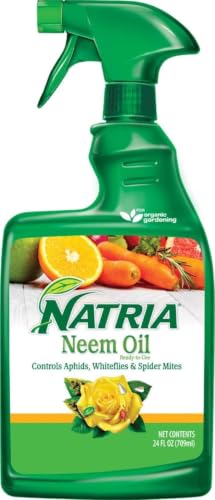
PLANT DISEASE CONTROL: Natria Neem Oil acts as an insecticide and fungicide in one convenient spray; Ready-to-use trigger sprayer requires no mixing

Control diseases and insects in your garden with Captain Jack’s Fruit Tree Spray Concentrate! Use on a variety of listed fruits, nuts and citrus plants.

ADVANCED FORMULA: Emulsifiers built into the formula so you just add water. 100% pure oils require an emulsifier to allow oil and water to mix. Nature's IQ has this already built in so you just add water.
Critical Warning on Neem Oil Use
While neem oil is often celebrated for its pest control benefits, its application on guava trees requires careful consideration. This section highlights crucial warnings regarding its use, emphasizing potential risks to both the plants and surrounding ecosystems. Understanding these cautions is essential for effective and responsible pest management.
Avoid applying neem oil during peak sunlight hours to prevent leaf burn.
Neem Oil Application for Guava Tree Health
Neem oil is a natural and effective solution for maintaining the health of guava trees while managing pest infestations. This section explores the proper application techniques of neem oil, ensuring that guava trees receive the maximum benefits from this organic treatment. Understanding these methods can lead to healthier trees and improved fruit production.
Using neem oil on guava trees is a sustainable method for pest control. Regular application and monitoring will ensure the health and productivity of your trees.
