

Growing mango trees in Kansas requires strategic planning due to the region’s heat and wind challenges. Implementing effective protection methods ensures healthy growth and fruit production.
Kansas Climate Impact on Mango Cultivation
Kansas experiences a mix of hot summers and cold winters, which can be detrimental to mango trees. These tropical plants thrive in warm, humid conditions and struggle when temperatures drop below 30°F. Understanding the local climate is crucial for successful cultivation.
Mango trees need full sun exposure for optimal growth. However, strong winds can damage young trees and affect fruit production. Therefore, it is essential to create a microclimate that shields them from harsh weather conditions.
Recommended Products
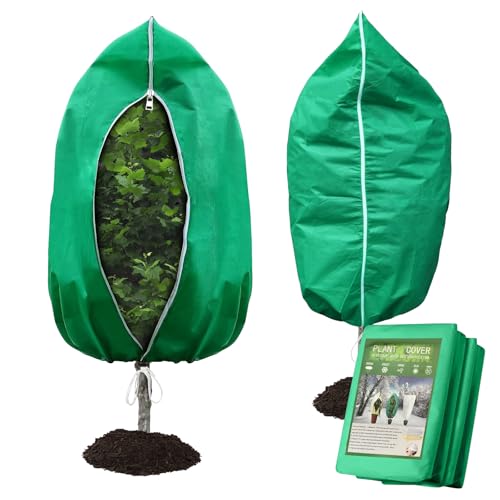
🌬️ Ultimate Cold Weather Protection:Crafted from thick 2.8oz/yd² non-woven fabric, our HEKIWAY plant freeze covers shield your trees and plants from frost, snow, wind, and ice. A reliable barrier for harsh winters, ensuring your greenery survives and thrives

Premium Material - Made of 2.06 oz/yd²(70gsm) breathable, non-woven fabric, our plant covers are an affordable, durable, and convenient way to provide frost and cold protection to outdoor plants. Breathable yet waterproof, these plant covers allow sunlight to penetrate while shielding a plant from cold air and helping to maintain a consistent inner temperature.

Protect Plants From Frostbite: 2.2 oz/sq yard non-woven fabric as the material of plant cover to protect your plant against freeze, frost and other cold weather during winter
Best Mango Varieties for Kansas Climate
Choosing the right mango varieties is crucial for successful cultivation in Kansas, where the climate presents unique challenges. Certain types are better suited to withstand the region’s heat and wind conditions, ensuring healthier growth and fruit production. This section explores the best mango varieties that thrive in Kansas, helping gardeners make informed decisions for their orchards.
Choosing the appropriate mango variety is key to successful growth in Kansas. Some varieties are more resilient to cooler temperatures and can adapt better to the local climate.
| Variety Name | Cold Tolerance | Growth Rate | Fruit Quality |
|---|---|---|---|
| Haden | Moderate | Fast | High |
| Tommy Atkins | High | Medium | Good |
| Kent | Moderate | Medium | Excellent |
| Keitt | High | Slow | Very Good |
The Haden variety is known for its vibrant flavor but may require more protection. Tommy Atkins offers better cold tolerance, making it a suitable choice for Kansas growers. Kent and Keitt provide excellent fruit quality and can withstand cooler conditions.
Mango Tree Planting Site Preparation Steps
Preparing the planting site for mango trees in Kansas is crucial for their successful growth. The unique climate challenges, including heat and wind, require careful consideration of soil quality, drainage, and location. By following specific site preparation steps, you can create an optimal environment that supports healthy mango tree development.
Proper site preparation is essential for the health of mango trees. Select a location that receives full sunlight and has well-draining soil. Consider the following steps for optimal site preparation:
Test Soil pH: Aim for a pH between 5.5 and 7.5.
Amend Soil: Incorporate organic matter to improve drainage and nutrient content.
Ensure Drainage: Avoid low-lying areas where water may accumulate.
Creating raised beds can enhance drainage and protect roots from cold temperatures. This method also allows for better airflow around the trees, reducing the risk of fungal diseases.
Wind Protection Techniques for Young Mango Trees
Young mango trees are particularly vulnerable to wind damage, which can stunt their growth and affect fruit production. Implementing effective wind protection techniques is essential for ensuring their health and vitality in Kansas’s variable climate. This section explores practical strategies to shield these delicate trees from harsh winds, promoting a thriving mango orchard.
Wind can severely impact young mango trees in Kansas. Implementing protective measures can significantly improve their chances of thriving. Consider these strategies:
Windbreaks: Plant fast-growing trees or shrubs around the mango trees to act as natural barriers.
Fencing: Install solid fences to block strong winds.
Mulching: Apply mulch around the base to retain moisture and protect roots.
Using these methods can create a more stable environment for the trees, promoting healthy growth and fruit production.
Heat Stress Management Techniques for Mango Trees
Mango trees thrive in warm climates, but Kansas can present unique challenges due to heat stress and strong winds. Understanding effective management techniques is crucial for ensuring healthy growth and fruit production. This section explores practical strategies to protect mango trees from extreme temperatures and environmental stressors.
Kansas summers can be intense, leading to heat stress in mango trees. Proper management techniques can help mitigate these effects. Here are some effective strategies:
Regular Watering: Ensure consistent moisture, especially during dry spells. Water deeply to encourage root growth.
Shade Cloth: Use shade cloth during peak heat to reduce sun exposure.
Soil Moisture Monitoring: Employ moisture sensors to track soil conditions.
Maintaining optimal moisture levels is crucial for preventing heat stress. Consistent watering routines can support healthy tree development.
Fertilization Techniques for Mango Trees
Fertilization is crucial for the healthy growth of mango trees, especially in the unique climate of Kansas. Understanding the specific nutrient needs and timing for application can significantly enhance fruit quality and tree vigor. This section explores effective fertilization techniques tailored for mango cultivation in this region.
Proper fertilization is essential for the health of mango trees. A balanced fertilizer can promote vigorous growth and fruit production. Follow these guidelines for effective fertilization:
Use Slow-Release Fertilizers: Apply a balanced fertilizer with nitrogen, phosphorus, and potassium.
Timing: Fertilize in early spring before new growth begins.
Adjust Based on Soil Tests: Tailor fertilizer applications based on soil nutrient levels.
Regular fertilization can enhance fruit quality and tree resilience against environmental stressors.
Pest and Disease Surveillance for Mango Trees
Maintaining healthy mango trees in Kansas requires vigilance against pests and diseases that can threaten their growth. Effective surveillance is crucial for early detection and management of these issues, ensuring that your trees thrive in the unique climate conditions of the region. Understanding common threats and implementing preventive measures will help safeguard your mango crop.
Pests and diseases can pose significant threats to mango trees. Regular monitoring and early intervention are vital. Common pests include:
Mango Weevil: Causes fruit drop and damage.
Scale Insects: Weaken trees by sucking sap.
Fungal Diseases: Can affect leaves and fruit.
Implement integrated pest management strategies, including natural predators and organic treatments. Regular inspections can help catch issues early, preventing severe damage.
Mango Tree Protection Strategies for Kansas
Mango trees thrive in warm climates, making their cultivation in Kansas a unique challenge. To ensure these tropical plants flourish despite the region’s heat and wind, specific protection strategies are essential. This section explores effective methods to safeguard mango trees, enhancing their growth and resilience in an unpredictable environment.
Growing mango trees in Kansas requires careful planning and execution. Understanding the local climate, selecting the right varieties, and implementing protective measures are essential for success.
Regular maintenance and monitoring will ensure healthy trees and fruitful harvests.
