

Selecting the best mango trees for California involves understanding the regional climate and soil conditions. Choosing varieties that thrive in warm temperatures and have good disease resistance will ensure a successful harvest.
California’s Best Mango Varieties for Gardens
California’s diverse climate offers an ideal environment for growing mango trees, making it essential to choose the right varieties for your garden. Selecting the best mango types can enhance fruit production and ensure successful growth, allowing you to enjoy the sweet, tropical flavors right from your backyard. Here are some of the top mango varieties suited for California’s unique conditions.
California’s climate is ideal for growing mango trees, particularly in regions with warm summers and mild winters. The following varieties are well-suited for California gardens and orchards:
| Variety Name | Fruit Size | Flavor Profile | Disease Resistance | Harvest Time |
|---|---|---|---|---|
| Tommy Atkins | Medium | Sweet, mild | High | Late summer |
| Haden | Large | Rich, sweet | Moderate | Early summer |
| Kent | Large | Sweet, juicy | High | Late summer |
| Alphonso | Medium | Rich, aromatic | Moderate | Early summer |
Each of these varieties offers unique flavors and characteristics, making them popular choices among growers.
Recommended Products

Send yourself some California sunshine! Escape the cold weather and go Mango from head to toe with this 7-Piece starter kit.
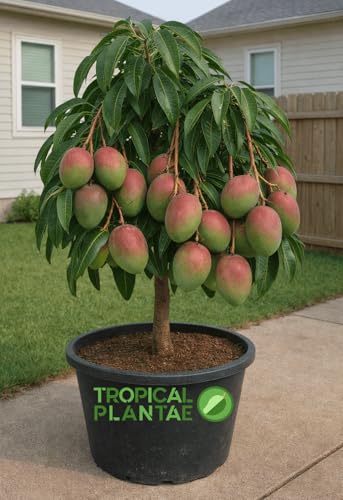
Imagine stepping outside your home and seeing a healthy mango tree growing stronger every season—one that doesn’t just decorate your yard, but adds real value to your daily life.

Naturally Grown from Seed: Each mango tree is seed-grown for strong roots and natural vigor. Seedling mangoes adapt quickly to their environment and develop into healthy, productive tropical trees with lush foliage and beautiful growth form.
Optimal Conditions for California Mango Trees
California’s diverse climate offers unique opportunities for growing mango trees, but understanding their optimal conditions is crucial for success. Factors such as temperature, soil type, and sunlight exposure play significant roles in ensuring healthy growth and fruitful yields. This section delves into the ideal environmental conditions that support the thriving of mango trees in various regions of California.
When planting mango trees, several factors must be considered to ensure optimal growth. The right location, soil type, and care practices can significantly impact the success of your trees.
Sunlight: Mango trees require full sun exposure for at least six hours daily.
Soil: Well-draining soil is critical. Sandy loam is ideal, but you can amend clay soils with organic matter.
Spacing: Space trees at least 20 feet apart to allow for proper air circulation and growth.
Mango Tree Planting Best Practices
Successfully planting mango trees in California requires an understanding of the region’s unique climate and soil conditions. By following best practices tailored to local environments, gardeners can enhance growth and fruit production. This section outlines essential techniques to ensure your mango trees thrive in California’s diverse landscapes.
Proper planting techniques can enhance the establishment of your mango trees. Follow these steps for successful planting:
Select a site with full sun and good drainage.
Dig a hole twice the width of the root ball and as deep as the root ball.
Mix soil with compost to improve nutrient content.
Place the tree in the center of the hole, ensuring the root collar is level with the soil surface.
Backfill with soil and water thoroughly to remove air pockets.
Mango Tree Care for Optimal Growth
Caring for mango trees in California requires attention to specific environmental factors and proper maintenance practices. Understanding the unique needs of these trees will help ensure they thrive in the state’s diverse climates. This section outlines essential care techniques to promote optimal growth and fruit production for your mango trees.
Maintaining healthy mango trees involves regular care practices. Proper watering, fertilization, and pruning will enhance fruit production.
Watering: Young trees need weekly watering. Mature trees require less frequent watering, especially during dry spells.
Fertilization: Use a balanced fertilizer every few months during the growing season. Look for formulations high in potassium to encourage fruiting.
Pruning: Prune to remove dead or diseased branches and to shape the tree. This promotes better air circulation and sunlight penetration.
Mango Tree Pest and Disease Management
Mango trees in California can be susceptible to various pests and diseases that threaten their health and productivity. Understanding effective management strategies is crucial for maintaining vibrant trees and ensuring a bountiful harvest. This section will explore common issues and practical solutions to keep your mango trees thriving in the unique California climate.
Mango trees can be susceptible to various pests and diseases. Regular monitoring and management are necessary for healthy trees.
Pests: Common pests include aphids and mango weevils. Use insecticidal soap or neem oil for control.
Diseases: Fungal infections like powdery mildew can occur. Ensure good air circulation and avoid overhead watering to minimize risk.
Optimal Mango Harvesting Techniques
Harvesting mangoes at the right time and using effective techniques can significantly enhance the yield and quality of your fruit. Understanding the optimal methods for picking mangoes ensures that you enjoy the best flavors and textures while minimizing damage to the tree and the fruit. This section outlines the best practices for harvesting mangoes in California’s unique climate.
Harvesting mangoes at the right time is crucial for optimal flavor. Understanding when and how to pick mangoes can enhance your enjoyment.
Timing: Mangoes are ready to harvest when they change color and emit a sweet aroma.
Technique: Use pruning shears to cut the fruit from the tree, leaving a short stem attached.
Storage: Store ripe mangoes at room temperature for a few days. Refrigerate unripe mangoes to slow ripening.
Mango Tree Care and Harvesting Tips
Successfully growing mango trees in California requires careful attention to their specific needs. This section provides essential care and harvesting tips tailored to the region’s climate, ensuring that your mango trees thrive and produce delicious fruit. Understanding these practices will help you maximize your yield and enjoy the fruits of your labor.
Successful cultivation of mango trees in California requires attention to detail in planting, care, and harvesting practices. Regular monitoring for pests and diseases will also contribute to a bountiful harvest.
