

Selecting the right fruit trees for Denver’s high-altitude climate is crucial for successful cultivation. Trees such as cherry, apple, and pear thrive in these conditions, offering both beauty and bountiful harvests. Understanding the unique challenges of this environment will enhance your gardening success.
Adapting Fruit Trees to Denver’s Climate
Denver’s unique high-altitude climate presents both challenges and opportunities for growing fruit trees. Understanding how to adapt these trees to the region’s temperature fluctuations, soil conditions, and seasonal variations is crucial for successful cultivation. This section explores effective strategies to ensure your fruit trees thrive in Denver’s distinct environment.
Denver’s climate poses unique challenges for growing fruit trees. The high elevation results in intense sunlight and rapid temperature fluctuations. This can stress trees and affect their growth and fruit production.
To thrive in this environment, choose varieties that are cold-hardy and can withstand sudden temperature changes. Consider factors like soil quality, water availability, and local pests.
Recommended Products
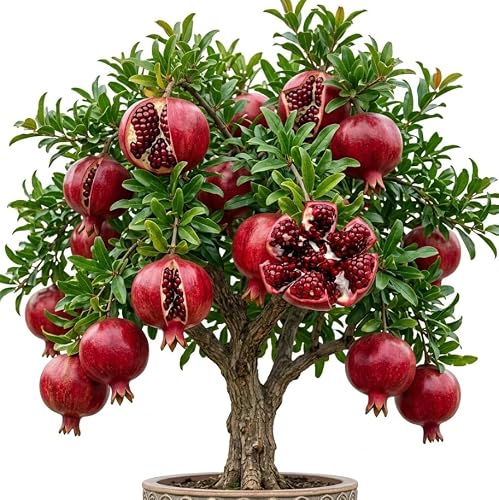
Each order includes a live red pomegranate plant, carefully grown and ready to thrive in your garden or home.

More than 50 years of research has gone into developing cherry trees with cold hardiness, dwarf stature and good fruit quality.

CHOOSE YOUR FAVORITE BANANA VARIETY – Select from Grand Nain, Dwarf Cavendish, Double Mahoi, Curly Tiny, or Basjoo Banana plants. Each variety offers unique characteristics, from sweet edible fruit to striking ornamental foliage and cold-hardy landscape performance.
Best Fruit Trees for High Altitude in Denver
Selecting the right fruit trees for Denver’s unique high-altitude climate can significantly impact your gardening success. Understanding which varieties thrive in these conditions is essential for both novice and experienced gardeners. The following section highlights the best fruit trees suited for Denver, ensuring you can cultivate a fruitful garden despite the challenges of elevation.
When selecting fruit trees, consider varieties specifically suited for high altitudes. The following trees are known for their resilience and productivity in Denver’s climate.
| Fruit Tree Type | Ideal Varieties | Chill Hours Required | Average Yield |
|---|---|---|---|
| Cherry | Bing, Rainier | 700-1,000 | 20-30 lbs |
| Apple | Honeycrisp, Gala | 600-1,000 | 30-50 lbs |
| Pear | Bartlett, Bosc | 500-1,000 | 20-40 lbs |
| Plum | Stanley, Satsuma | 600-1,000 | 15-25 lbs |
Soil Enhancement Techniques for Denver Fruit Trees
Growing fruit trees in Denver’s high-altitude environment requires careful attention to soil quality. The unique challenges posed by the region’s climate and elevation can be mitigated through effective soil enhancement techniques. Understanding how to improve soil health is crucial for ensuring robust growth and fruitful yields in this challenging setting.
Proper soil preparation is essential for successful growth. Denver’s soil can be rocky and lacking in nutrients. Here are steps to improve soil conditions for planting:
Test Soil pH: Aim for a pH between 6.0 and 7.0 for optimal growth.
Amend Soil: Incorporate organic matter such as compost to enhance fertility.
Improve Drainage: Ensure proper drainage to prevent root rot by adding sand or perlite.
High-Altitude Watering Strategies for Fruit Trees
Watering fruit trees in Denver’s high-altitude climate requires careful consideration to ensure healthy growth and fruit production. The unique challenges posed by altitude, including rapid evaporation and varying temperatures, necessitate tailored watering strategies. Understanding these methods will help you effectively nurture your trees and maximize their potential in this challenging environment.
Watering practices need to be adjusted for Denver’s dry climate. Effective watering ensures healthy fruit trees. Follow these guidelines:
Deep Watering: Water deeply but infrequently to encourage deep root growth.
Mulch Application: Apply mulch around the base to retain moisture and regulate soil temperature.
Monitor Weather: Adjust watering based on rainfall and temperature fluctuations.
Effective Pest Control for Fruit Trees
Managing pests is crucial for the success of fruit trees in Denver’s unique climate. Understanding the specific challenges posed by high altitude and local pests can help gardeners implement effective control strategies. This section explores practical methods to protect fruit trees and ensure a healthy harvest in the face of potential threats.
Pests can threaten the health of your fruit trees. Implementing effective pest management strategies is vital for maintaining tree health. Consider these methods:
Regular Inspections: Check trees weekly for signs of pests or disease.
Natural Predators: Introduce beneficial insects like ladybugs to control aphid populations.
Organic Pesticides: Use neem oil or insecticidal soap as a last resort to manage infestations.
Fertilization Timing for Denver Fruit Trees
Understanding the optimal fertilization timing for fruit trees in Denver is crucial for their success in the unique high-altitude climate. Proper nutrient application can enhance growth, fruit production, and overall tree health. This section delves into the best practices for fertilizing fruit trees in Denver, ensuring they thrive in the region’s specific conditions.
Fertilizing your fruit trees at the right time promotes healthy growth and fruit production. A balanced approach ensures trees receive necessary nutrients. Follow this schedule:
Early Spring: Apply a balanced fertilizer as buds begin to swell.
Mid-Summer: Use a nitrogen-rich fertilizer to support leafy growth.
Fall: Apply a phosphorus-rich fertilizer to enhance root development.
Over-Fertilization Risks for Fruit Trees
Over-fertilization can pose significant risks to fruit trees, especially in the unique climate of Denver, CO. While nutrients are essential for growth, applying too much fertilizer can lead to nutrient imbalances, root burn, and reduced fruit quality. Understanding these risks is crucial for successful high-altitude gardening and ensuring healthy, productive trees.
Avoid over-fertilizing as it can lead to excessive foliage growth at the expense of fruit production.
Seasonal Maintenance for Denver Fruit Trees
Maintaining fruit trees in Denver’s unique high-altitude climate requires careful attention to seasonal changes. The distinct weather patterns and temperature fluctuations can impact tree health and fruit production. Understanding the specific maintenance tasks for each season is essential for successful fruit cultivation in this environment.
Seasonal care is crucial for maintaining the health of your fruit trees. Each season requires specific attention to detail.
Spring: Prune trees to encourage airflow and remove dead branches.
Summer: Monitor for pests and ensure consistent watering.
Fall: Harvest fruit and prepare trees for winter by mulching and protecting trunks.
Best Fruit Trees for Denver’s Climate
Selecting the right fruit trees for Denver’s unique climate is essential for successful cultivation. The high altitude and varying temperatures present challenges that require careful consideration of tree varieties. Understanding which species thrive in these conditions can lead to fruitful harvests and a flourishing garden.
Selecting the right fruit trees and implementing proper care techniques can yield a successful harvest in Denver’s challenging climate. Focus on soil preparation, watering, pest management, and seasonal care for the best results.
