

Applying dormant oil on walnut trees is crucial for managing pests and diseases during their dormant phase. The best time to spray is typically in late winter to early spring, just before bud break, when temperatures are consistently above 40°F.
Dormant Oil Benefits for Walnut Trees
Dormant oil is a refined petroleum product that suffocates pests and their eggs on trees. It is effective against a variety of insects, including aphids, spider mites, and scale. By applying dormant oil, you create a barrier that prevents these pests from emerging with the new growth of the tree.
Using dormant oil reduces the need for more aggressive pesticides later in the growing season. This eco-friendly approach supports healthier trees and a more balanced ecosystem.
Recommended Products

USE YEAR ROUND - Our 3-in-1 product provides year-round protection against insects, mites, and diseases. Can be used at the dormant stage, green tip stage, delayed dormant stage, and during the growing season to prevent pest infestations and disease.
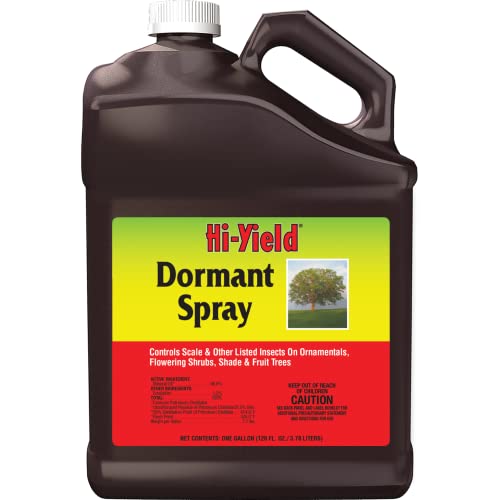
Controls a number of insects including Mites, Leaf Rollers, Armyworms and more. See label for more.

Voluntary Purchasing Group 32034 Paraffin Oil Spray, 32 oz
Optimal Dormant Oil Application Timing
Understanding the optimal timing for applying dormant oil on walnut trees is crucial for effective pest management and promoting healthy nut growth. This section delves into the specific periods during the dormant season when spraying is most beneficial, ensuring that your walnut trees receive the protection they need while minimizing any potential risks.
Timing is critical when applying dormant oil. The optimal window is late winter to early spring, specifically when the tree is still dormant.
Temperature: Ensure temperatures are consistently above 40°F.
Bud Development: Apply before buds begin to swell.
Weather Conditions: Choose a calm day to prevent drift and ensure even coverage.
| Timing Factor | Ideal Condition |
|---|---|
| Temperature | Above 40°F |
| Bud Stage | Before swelling |
| Wind | Calm conditions |
Dormant Oil Application Preparation Steps
Preparing to apply dormant oil on walnut trees is crucial for effective pest management and promoting healthy growth. This section outlines the essential steps to ensure that your application is both efficient and beneficial, helping you maximize the health of your nut trees during their dormant season. Understanding these preparations will set the foundation for successful treatment.
Preparation is essential for effective application of dormant oil. Gather the necessary equipment and materials to ensure a smooth process.
Equipment Needed: Sprayer, protective gear, and measuring tools.
Safety Measures: Wear gloves and a mask to avoid inhalation and skin contact.
Dilution: Follow the manufacturer’s instructions for proper dilution of the oil.
Dormant Oil Application Techniques for Walnuts
Applying dormant oil to walnut trees is a crucial step in managing pests and diseases during their dormant season. Understanding the best techniques for application can significantly enhance the health and productivity of your walnut crop. This section will explore effective methods to ensure optimal coverage and absorption of dormant oil for maximum benefit.
Follow these steps to effectively apply dormant oil on walnut trees.
Inspect Trees: Check for existing pest problems or signs of disease.
Mix Oil: Combine dormant oil with water according to the label instructions.
Spray Trees: Apply the mixture thoroughly to the trunk, branches, and foliage.
Monitor Weather: Avoid applying before rain or extreme cold.
Common Mistakes to Avoid
When managing walnut trees, applying dormant oil can be beneficial, but several common mistakes can hinder its effectiveness. Understanding these pitfalls is crucial for ensuring optimal nut growth and tree health. By avoiding these errors, you can enhance the overall success of your walnut cultivation efforts.
Several common mistakes can undermine the effectiveness of dormant oil applications.
Incorrect Timing: Spraying too late can lead to pest emergence.
Improper Dilution: Always follow the manufacturer’s guidelines for mixing.
Neglecting Coverage: Ensure all areas of the tree are coated.
Post-Application Health Monitoring for Walnuts
After applying dormant oil to walnut trees, it’s crucial to monitor their health to ensure the treatment’s effectiveness and the trees’ overall vitality. Observing any changes in leaf development, pest activity, or signs of disease can help determine if additional interventions are necessary. This vigilance is key to achieving optimal nut growth and maintaining the trees’ long-term health.
After applying dormant oil, monitor the health of your walnut trees.
Check for Pests: Regularly inspect for signs of pest activity.
Assess Growth: Observe new growth for any signs of stress or disease.
Adjust Care: Modify watering and fertilization based on tree response.
| Monitoring Aspect | Action |
|---|---|
| Pest Inspection | Weekly checks |
| Growth Assessment | Monthly reviews |
| Care Adjustments | As needed |
Benefits of Regular Dormant Oil Use
Regular application of dormant oil on walnut trees offers numerous benefits that can significantly enhance nut production and tree health. This practice not only helps control pests and diseases during the dormant season but also promotes better overall growth by protecting the tree’s delicate tissues. Understanding these advantages is essential for any grower aiming for optimal nut yield and tree vitality.
Regular use of dormant oil can lead to healthier walnut trees.
Pest Management: Reduces pest populations effectively.
Disease Prevention: Helps prevent the spread of diseases.
Sustainability: Supports eco-friendly gardening practices.
Proper application of dormant oil is a proactive measure that can significantly enhance the health and productivity of walnut trees. By adhering to the recommended timing and preparation steps, you can ensure your trees are well-protected during their dormant phase.
