

Using copper fungicide on lime trees is the most efficient method to prevent fungal diseases. This treatment effectively protects the trees from common issues such as leaf spot and root rot, ensuring healthy growth and fruit production.
Copper Fungicide Efficacy for Lime Tree Health
Copper fungicide is a widely used treatment for various plant diseases. It acts as a protective barrier, preventing fungal spores from taking hold on the foliage and bark of lime trees. This fungicide is particularly effective against pathogens like Phytophthora and Alternaria, which can severely impact tree health. Regular application can significantly reduce the incidence of these diseases, leading to healthier trees and better fruit yields.
Recommended Products
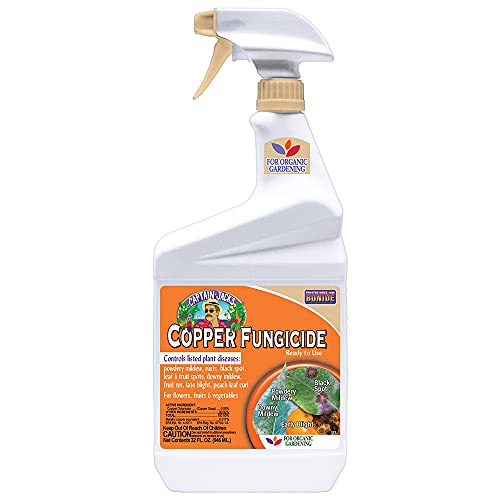
Control fungus and disease in your garden with Captain Jack’s ready-to-use Liquid Copper Fungicide!

Control fungus and disease in your garden with Captain Jack’s Liquid Copper Fungicide Concentrate!

Control fungus and disease in your garden with Captain Jack’s ready-to-spray Liquid Copper Fungicide!
Essential Features of Copper Fungicide
Copper fungicide is a vital tool in the management of fungal diseases on lime trees, offering effective prevention and treatment options. Understanding its essential features can help growers maximize its benefits while minimizing potential drawbacks. This section delves into the key characteristics that make copper fungicide a preferred choice for protecting lime trees.
When selecting a copper fungicide, consider the following features:
Formulation Types: Available in liquid, powder, or granular forms.
Application Methods: Can be sprayed or applied as soil drench.
Active Ingredients: Commonly contains copper hydroxide or copper sulfate.
Compatibility: Safe to use with other pesticides and fertilizers.
Copper Fungicide Application Timing for Lime Trees
Understanding the optimal timing for applying copper fungicide on lime trees is crucial for effective disease prevention. Proper application can significantly enhance the health and yield of your lime trees, ensuring they remain resilient against fungal threats. This section will detail the best practices for timing your fungicide treatments to maximize their benefits.
To maximize the effectiveness of copper fungicide, establish a consistent application schedule. The following table outlines a recommended timeline for treatments:
| Season | Action | Frequency |
|---|---|---|
| Spring | Apply before new growth | Every 2-4 weeks |
| Summer | Monitor for disease signs | Every 3-4 weeks |
| Fall | Apply before dormancy | Once |
Apply the fungicide during the early morning or late afternoon to avoid leaf burn. Ensure that the tree is well-watered before application to enhance absorption.
Fungicide Application Preparation Steps
Proper preparation is essential for the effective application of copper fungicide on lime trees. Understanding the necessary steps can significantly enhance the fungicide’s efficacy, ensuring that your trees remain healthy and productive. This section outlines the critical preparation measures to take before applying the treatment.
Proper preparation is crucial for effective fungicide application. Start by gathering the necessary supplies:
Protective Gear: Gloves, mask, and goggles.
Sprayer: Handheld or backpack sprayer for even coverage.
Water Source: Ensure access to clean water for mixing.
Before applying, inspect the lime trees for any existing disease symptoms. Remove any affected leaves or fruit to prevent spreading.
Recommended Products

Control plant common plant diseases in your home garden with Copper Fungicide Spray or Dust from Bonide!

DISEASE CONTROL: Disease & Fungus Control controls powdery mildew, rust, black spot, fruit rot, downy mildew, late blight, and other listed diseases

DISEASE CONTROL - Liqui-Cop, Copper-Count-N, is designed to prevent a wide variety of plant diseases including anthracnose, brown rot, blight, downy mildew, botrytis blight, leaf spot and many more.
Application Safety Guidelines for Copper Fungicide
When applying copper fungicide to lime trees, safety is paramount to ensure both effective treatment and protection for the applicator and the environment. Understanding the proper guidelines for application minimizes risks and maximizes the benefits of this powerful fungicide. Adhering to these safety measures is essential for successful disease prevention in your lime trees.
Safety is paramount when using copper fungicide. Follow these precautions:
Wear protective clothing to minimize skin exposure.
Avoid inhaling spray mist by using a mask.
Keep children and pets away from treated areas until dry.
Common Copper Fungicide Challenges
While copper fungicides are widely recognized for their effectiveness in preventing fungal diseases on lime trees, they are not without challenges. Growers often encounter issues such as phytotoxicity, resistance development, and environmental concerns that can complicate their use. Understanding these challenges is crucial for maximizing the benefits of copper fungicides in lime tree cultivation.
Even with preventive measures, issues may arise. Here are some common problems and solutions:
Leaf Burn: Caused by applying during hot weather. Adjust the timing of applications.
Ineffective Treatment: May result from improper mixing. Follow manufacturer instructions closely.
Disease Recurrence: Indicates a need for more frequent applications or a different product.
Lime Tree Health Monitoring Techniques
Monitoring the health of lime trees is essential for effective pest and disease management. By employing various techniques, growers can identify early signs of stress or infection, ensuring timely intervention. This proactive approach not only enhances the vitality of the trees but also maximizes the effectiveness of treatments like copper fungicide.
Regular monitoring is essential for maintaining healthy lime trees. Check for signs of disease, such as:
Yellowing leaves
Wilting branches
Unusual spots or lesions
If you notice any of these symptoms, reassess your treatment schedule and consider consulting a horticultural expert for advice.
Integrated Disease Management Techniques
Effective management of diseases in lime trees requires a multifaceted approach that combines various strategies. Integrated disease management techniques not only enhance the efficacy of copper fungicide but also promote overall tree health. By understanding and implementing these methods, growers can significantly reduce the risk of disease while ensuring robust lime production.
While copper fungicide is effective, consider integrating other strategies for comprehensive disease management:
Cultural Practices: Improve air circulation by pruning trees and removing debris.
Resistant Varieties: Choose lime tree varieties that are more resistant to fungal diseases.
Organic Options: Explore alternatives such as neem oil or sulfur-based treatments.
Enhancing Copper Fungicide Efficacy
Enhancing the efficacy of copper fungicide on lime trees is crucial for effective disease prevention. By understanding the factors that influence its performance, growers can maximize the benefits of this treatment. This section explores various strategies to improve the effectiveness of copper fungicide, ensuring healthier lime trees and better yields.
Combining copper fungicide with other treatments can enhance overall effectiveness. For instance, applying a biological fungicide alongside copper can provide a multi-faceted defense against fungal diseases. Ensure that any combination is compatible and follow recommended application guidelines.
Copper Fungicide Application Guidelines
Applying copper fungicide effectively is crucial for maintaining the health of lime trees and preventing fungal diseases. Understanding the proper techniques and timing for application can significantly enhance the efficacy of this treatment. The following guidelines provide essential information to ensure optimal results in protecting your lime trees.
For optimal results, consistently apply copper fungicide according to the established schedule. Monitor your lime trees regularly and adjust your approach based on observed conditions. This proactive strategy will yield healthier trees and a bountiful harvest.
