

Spray copper fungicide on jujube trees to effectively combat fungal diseases and extend the lifespan of your trees. This treatment not only protects the foliage but also enhances overall tree health, ensuring a bountiful harvest.
Identifying Fungal Diseases in Jujube Trees
Fungal diseases can significantly impact the health of jujube trees, leading to reduced fruit yield and even tree death. Common issues include powdery mildew and root rot, which thrive in warm, humid conditions. Identifying these threats early allows for timely intervention. Regular monitoring of your trees is essential to catch any signs of disease before they escalate.
| Symptom | Primary Suspect | Difficulty (1-5) |
|---|---|---|
| Yellowing leaves | Powdery mildew | 3 |
| Wilting branches | Root rot | 4 |
| Dark spots on fruit | Leaf spot disease | 2 |
Recommended Products

Control diseases and insects in your garden with Captain Jack’s Fruit Tree Spray Concentrate! Use on a variety of listed fruits, nuts and citrus plants.

🌿 Controls Common Fungal & Bacterial Diseases Defend your plants from powdery mildew, botrytis, anthracnose, and more. Works on contact to stop foliar plant diseases before they spread.
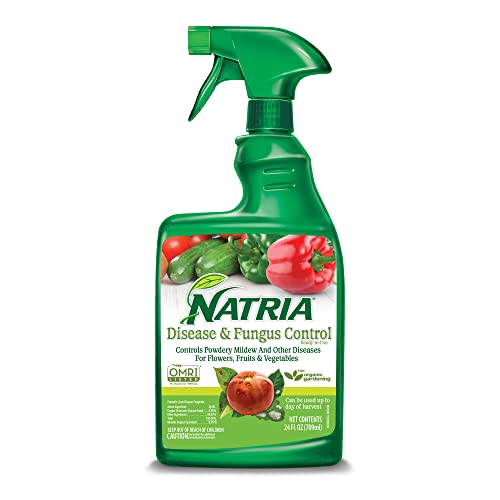
DISEASE CONTROL: Disease & Fungus Control controls powdery mildew, rust, black spot, fruit rot, downy mildew, late blight, and other listed diseases
Prepare Key Treatment Supplies for Jujube Care
To effectively care for jujube trees and enhance their longevity, it’s essential to gather the right treatment supplies. This preparation not only ensures that you have everything needed for application but also maximizes the benefits of using spray copper fungicide. Understanding the necessary tools and materials will set the foundation for successful tree maintenance.
Before applying copper fungicide, ensure you have all necessary supplies. This preparation will streamline the process and enhance effectiveness. Gather the following items:
Copper fungicide (liquid or powder form)
Sprayer (handheld or backpack)
Protective gear (gloves, mask, goggles)
Water (for dilution if needed)
Proper preparation minimizes risks and maximizes treatment efficiency.
Recommended Products
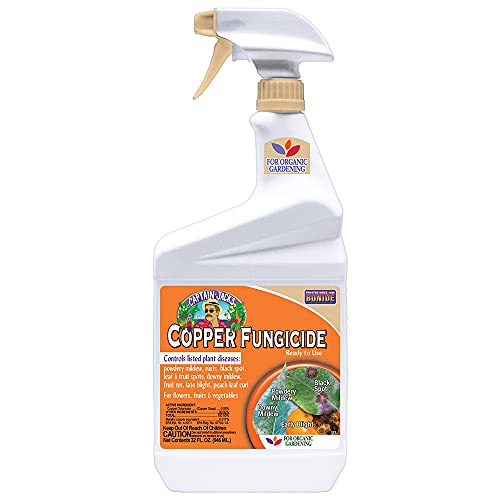
Control fungus and disease in your garden with Captain Jack’s ready-to-use Liquid Copper Fungicide!

Control fungus and disease in your garden with Captain Jack’s ready-to-spray Liquid Copper Fungicide!

Control fungus and disease in your garden with Captain Jack’s Liquid Copper Fungicide Concentrate!
Jujube Tree Preparation for Fungicide Application
Prepping your jujube trees is crucial for effective fungicide application. Start by pruning any dead or infected branches to improve air circulation. This step reduces humidity around the tree, making it less hospitable for fungi. Clean the area around the base of the tree to remove fallen leaves and debris that may harbor pathogens.
Optimal Timing for Copper Fungicide Application
Applying copper fungicide at the right time is crucial for maximizing its effectiveness on jujube trees. Understanding the optimal timing can help protect your trees from fungal diseases, ensuring they remain healthy and productive. This section will outline the best periods for application to enhance the longevity and vitality of your jujube trees.
Timing is critical when applying copper fungicide. The best times are:
Early spring before bud break
Late fall after harvest
Applying during these periods maximizes absorption and effectiveness. Avoid spraying during high temperatures or direct sunlight to prevent leaf burn.
Effective Copper Fungicide Application Steps
Applying copper fungicide to jujube trees can significantly enhance their health and longevity by preventing fungal diseases. Understanding the correct application steps is crucial for maximizing the effectiveness of this treatment. The following guidelines will help ensure that your jujube trees receive the proper care they need to thrive.
Follow these steps for effective application of copper fungicide:
Dilute the fungicide according to the manufacturer’s instructions.
Fill your sprayer with the diluted solution.
Spray evenly on all foliage, including the undersides of leaves.
Reapply every 7-14 days, especially after rain.
Proper application ensures maximum coverage and protection against fungal diseases.
Recommended Products

Control fungus and disease in your garden with Captain Jack’s ready-to-spray Liquid Copper Fungicide!

For control of disease on vegetables, ornamentals, Fruit and nut crops & algae in turfgrass

Control plant common plant diseases in your home garden with Copper Fungicide Spray or Dust from Bonide!
Monitor and Maintain Tree Health
Monitoring and maintaining the health of jujube trees is essential for maximizing their lifespan and productivity. Regular assessments can help identify early signs of stress or disease, allowing for timely interventions. This proactive approach not only enhances the trees’ resilience but also contributes to a more fruitful harvest.
After treatment, continue monitoring the health of your jujube trees. Look for signs of improvement or any new symptoms. Regular maintenance practices include:
Watering adequately during dry spells
Fertilizing with a balanced fertilizer
Keeping the area free of weeds
These actions support overall tree vitality and resilience against diseases.
Assess Copper Fungicide Impact on Jujube Trees
Understanding the effects of copper fungicide on jujube trees is crucial for enhancing their longevity and overall health. This section delves into the specific impacts of copper fungicide applications, examining how they influence disease resistance and tree vitality. By assessing these effects, you can make informed decisions to promote the well-being of your jujube trees.
Assess the effectiveness of your copper fungicide treatment by observing changes in your trees. Look for:
Improved leaf color and vigor
Increased fruit production
Reduced signs of disease
If symptoms persist, consider consulting with a local agricultural extension office for further guidance.
Identifying Jujube Tree Health Problems
Understanding the health of your jujube trees is crucial for their longevity and productivity. By recognizing common health issues, you can take proactive measures to address them effectively. This section will help you identify signs of distress and potential problems that may require intervention.
If your jujube trees show continued signs of distress, troubleshoot potential issues:
Check for proper dilution and application technique.
Inspect for other pests or diseases that may require different treatments.
Evaluate environmental conditions that could stress the tree.
Addressing these factors promptly can prevent further damage.
Long-Term Care Strategies for Jujube Trees
To ensure the longevity and health of your jujube trees, implementing effective long-term care strategies is essential. These practices not only enhance growth but also protect against pests and diseases. By focusing on proper maintenance techniques, you can significantly increase the lifespan and productivity of your jujube trees.
Regularly apply copper fungicide as part of your jujube tree care routine. This proactive approach helps maintain tree health and longevity. Combine fungicide treatments with good cultural practices for the best results.
Monitor your trees consistently and adapt your care strategies based on their needs. Healthy jujube trees can thrive for many years, providing abundant fruit and enhancing your garden’s beauty.
