

Using copper fungicide on cherry trees effectively prevents blight and promotes healthy growth. This treatment combats common fungal diseases, ensuring your cherry trees thrive throughout the growing season.
Cherry Tree Blight Identification and Management
Cherry trees are susceptible to various fungal infections, particularly blight, which can severely impact fruit production and overall tree health. The primary blight affecting cherry trees is bacterial canker, which manifests as dark lesions and can lead to branch dieback. Understanding the signs of blight is crucial for timely intervention.
Cherry Tree Blight Symptoms to Identify
Identifying the symptoms of blight on cherry trees is crucial for effective management and prevention. Early detection can significantly impact the health of your trees and the quality of your fruit. Understanding these signs will help you take timely action to protect your cherry trees from potential damage.
Recognizing the symptoms of blight early can save your cherry trees from extensive damage. Typical signs include:
Dark, sunken lesions on branches
Gum exudation from infected areas
Wilting leaves and premature leaf drop
Dieback of branches
Monitoring your trees for these symptoms allows for immediate action, reducing the risk of widespread infection.
Cherry Tree Blight Symptoms and Diagnosis
Identifying the symptoms of blight in cherry trees is crucial for effective management and prevention. This section delves into the key indicators of blight, helping you recognize early signs of infection. Understanding these symptoms will enable you to take timely action to safeguard your cherry trees against potential damage.
The following table summarizes the key symptoms, possible causes, and difficulty of diagnosis for cherry tree blight.
| Symptom | Primary Suspect | Difficulty (1-5) |
|---|---|---|
| Dark lesions | Bacterial canker | 3 |
| Gum exudation | Bacterial canker | 4 |
| Wilting leaves | Fungal infection | 2 |
| Branch dieback | Environmental stress | 3 |
Choosing Effective Copper Fungicides for Cherries
Selecting the right copper fungicide is crucial for protecting cherry trees from blight. With various formulations available, understanding their effectiveness, application methods, and timing can significantly enhance the health and yield of your cherry crop. This section will guide you through the best options tailored for optimal blight prevention.
Choosing an appropriate copper fungicide is essential for effective treatment. Look for products specifically designed for fruit trees, as they provide targeted protection against blight. When selecting a fungicide, consider the following:
Active ingredient concentration
Formulation type (liquid or powder)
Application method (spray or soil drench)
Ensure the product is labeled for use on cherry trees to avoid damaging the plants.
Recommended Products

Control fungus and disease in your garden with Captain Jack’s ready-to-spray Liquid Copper Fungicide!

For control of disease on vegetables, ornamentals, Fruit and nut crops & algae in turfgrass

PREVENTS A VARIETY OF PLANT DISEASES: Monterey Copper Fungicide Garden Spray controls diseases that commonly affect citrus, fruits, vegetables, nuts, and ornamental plants, ensuring healthy growth throughout the season.
Copper Fungicide Application Preparation Steps
Preparing for the application of copper fungicide on cherry trees is crucial for effective blight prevention. Proper preparation ensures that the fungicide adheres well to the tree and maximizes its protective benefits. Understanding the necessary steps will help you achieve optimal results in safeguarding your cherry trees from potential fungal threats.
Before applying copper fungicide, proper preparation and safety measures are vital. Follow these steps:
Read the label carefully to understand application rates and safety precautions.
Wear protective gear, including gloves, goggles, and a mask to avoid inhalation of particles.
Prepare the spray solution according to the manufacturer’s instructions, ensuring accurate dilution.
Taking these precautions minimizes health risks and enhances treatment effectiveness.
Effective Copper Fungicide Application Techniques
Proper application techniques for copper fungicide are crucial in preventing blight on cherry trees. Understanding the timing, method, and dosage can significantly enhance the effectiveness of the treatment, ensuring healthier trees and better fruit yields. This section explores the best practices for applying copper fungicide to achieve optimal results in your cherry orchard.
Applying copper fungicide correctly ensures maximum efficacy against blight. Follow these steps for optimal results:
Choose a calm day for application to prevent drift.
Spray the entire tree, focusing on the trunk, branches, and undersides of leaves.
Reapply every 7-14 days during wet weather or as recommended by the product label.
By adhering to these guidelines, you can effectively protect your cherry trees from blight.
Recommended Products

Control plant common plant diseases in your home garden with Copper Fungicide Spray or Dust from Bonide!

Control diseases and insects in your garden with Captain Jack’s Fruit Tree Spray Concentrate! Use on a variety of listed fruits, nuts and citrus plants.
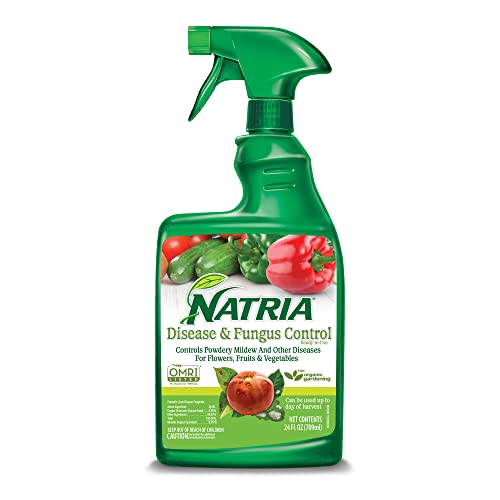
DISEASE CONTROL: Disease & Fungus Control controls powdery mildew, rust, black spot, fruit rot, downy mildew, late blight, and other listed diseases
Optimal Application Timing for Copper Fungicide
Timing is crucial when applying copper fungicide to cherry trees for effective blight prevention. Understanding the optimal moments for application can significantly enhance the protection of your trees against fungal infections. This section delves into the best practices for timing your treatments to ensure maximum efficacy and health for your cherry trees.
Timing is crucial for effective blight prevention. The best times to apply copper fungicide include:
Early spring before buds break
During flowering to protect blossoms
After heavy rain to prevent fungal spores from taking hold
Monitoring weather conditions helps you determine the optimal times for application.
Copper Fungicide Application Strategies for Cherry Trees
Effective application of copper fungicide is crucial for protecting cherry trees from blight. Understanding the best strategies for application can significantly enhance the efficacy of this treatment, ensuring that your trees remain healthy and productive. This section will explore various techniques and timing considerations to maximize the benefits of copper fungicide in your cherry orchard.
Incorporating copper fungicide into your overall cherry tree care routine is essential. Consider these logistical aspects:
Regular inspections for early signs of blight
Maintaining tree health through proper watering and fertilization
Pruning dead or infected branches promptly to reduce disease spread
Implementing these practices creates a comprehensive approach to cherry tree health.
Recommended Products

Controls diseases caused by bacteria and fungi

DISEASE CONTROL - Liqui-Cop, Copper-Count-N, is designed to prevent a wide variety of plant diseases including anthracnose, brown rot, blight, downy mildew, botrytis blight, leaf spot and many more.

Controls Fire Blight and Bacterial Wilt, Stem Rot, Leaf Spot, and Crown Gall.
Copper Fungicide Application Rate Guidelines
Understanding the appropriate application rates for copper fungicide is crucial for effectively managing blight on cherry trees. This section provides detailed guidelines to ensure optimal protection while minimizing potential damage to the trees and surrounding environment. Following these recommendations can enhance the health and productivity of your cherry orchard.
Overuse of copper fungicide can lead to soil toxicity and negatively impact beneficial organisms. Follow the recommended application rates to maintain a healthy ecosystem around your cherry trees.
