

Using copper fungicide on almond trees is essential for managing diseases like coryneum blight and brown rot. A well-timed spray schedule maximizes effectiveness and minimizes crop loss. This guide outlines a comprehensive spray schedule for 2026 to ensure healthy almond production.
Copper Fungicide Advantages for Almond Cultivation
Copper fungicide offers several benefits for almond cultivation, making it a valuable tool for growers. Its effectiveness in controlling fungal diseases helps ensure healthier trees and improved yields. Understanding these advantages is essential for developing a successful spray schedule and maximizing the potential of almond orchards.
Copper fungicides are widely used in almond cultivation to combat various fungal diseases. They work by disrupting the cellular processes of pathogens, effectively preventing disease spread. The benefits include:
Broad-spectrum disease control
Residual activity for extended protection
Compatibility with organic farming practices
Proper application is crucial for achieving optimal results. Misapplication can lead to resistance and reduced efficacy.
2026 Copper Fungicide Spray Schedule
Managing fungal diseases in almond trees is crucial for maintaining healthy yields. The following spray schedule outlines the optimal timing and application rates for copper fungicide in 2026, ensuring that growers can effectively protect their crops while adhering to best practices for environmental safety and efficacy. This guide is designed to help almond producers maximize their harvest potential.
To maintain healthy almond trees, adhere to the following spray schedule. Each application should be based on weather conditions and disease pressure.
| Date Range | Application | Target Diseases | Frequency |
|---|---|---|---|
| January 15 – February 15 | Pre-bloom spray | Coryneum blight, Brown rot | Once |
| March 1 – March 15 | Bloom spray | Brown rot | Once |
| April 1 – April 15 | Post-bloom spray | Powdery mildew | Once |
| May 1 – May 15 | Early fruit set | Leaf spot | Once |
| June 1 – June 15 | Mid-season | Anthracnose | Once |
| July 1 – July 15 | Late season | Rust | Once |
Timing is critical for each application to ensure maximum absorption and effectiveness.
Recommended Products

Control plant common plant diseases in your home garden with Copper Fungicide Spray or Dust from Bonide!

Control fungus and disease in your garden with Captain Jack’s ready-to-spray Liquid Copper Fungicide!

For control of disease on vegetables, ornamentals, Fruit and nut crops & algae in turfgrass
Choosing Copper Fungicide for Almond Trees
Selecting the right copper fungicide is crucial for maintaining the health of almond trees. With various formulations available, understanding their effectiveness and application methods can significantly impact disease management. This section will guide you through the essential factors to consider when choosing a copper fungicide for optimal results in your almond orchard.
Choosing the right product is essential for effective disease management. Consider the following factors:
Formulation: Liquid or wettable powder
Concentration: Higher concentrations may require fewer applications
Compatibility: Ensure compatibility with other treatments
Recommended Products
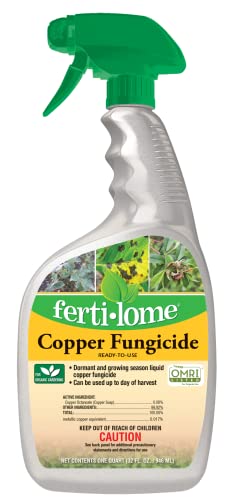
VERSATILE FUNGICIDE - This product fights Needle Blight, Blackspot, Anthracnose, Leaf and Fruit Spot, Cedar Apple Rust, Powdery Mildew, Early and Late Blight on Tomatoes, and Peach Leaf Curl.

Neudorff Copper Fungicide Controls Listed Plant Diseases: Powdery Mildew, Rusts, Black Spot, Leaf & Fruit Spot, Downy Mildew, Fruit Rot, Late Blight, Peach Leaf Curl and Other Listed Diseases.

[EFFECTIVE STUMP REMOVAL] Our 4-inch copper nails are designed to effectively for eliminate unwanted trees, stumps, and roots by releasing copper ions that inhibit growth.
Effective Copper Fungicides for Almond Trees
Effective copper fungicides play a crucial role in maintaining the health of almond trees by controlling various fungal diseases. Understanding the specific formulations and their applications can significantly enhance crop yield and quality. This section explores the most effective copper fungicides tailored for almond cultivation, ensuring optimal protection throughout the growing season.
Several products on the market are effective for almond trees. Here are a few options:
| Product Name | Formulation | Active Ingredient | Application Rate |
|---|---|---|---|
| Product A | Liquid | Copper hydroxide | 1-2 quarts/acre |
| Product B | Wettable powder | Copper sulfate | 2-4 pounds/acre |
| Product C | Liquid | Copper octanoate | 1-3 quarts/acre |
Always read the label for specific instructions and safety precautions.
Copper Fungicide Application Methods for Almond Trees
Effective application of copper fungicide is crucial for maintaining the health of almond trees and preventing fungal diseases. Understanding the various methods of application can enhance efficacy and ensure optimal coverage. This section will explore the best practices for applying copper fungicide to maximize its benefits for almond orchards.
Effective application techniques enhance the performance of copper fungicides. Follow these guidelines:
Spray Coverage: Ensure thorough coverage of foliage and branches
Weather Conditions: Avoid spraying during rain or high winds
Equipment Calibration: Regularly calibrate sprayers for accurate application rates
Recommended Products
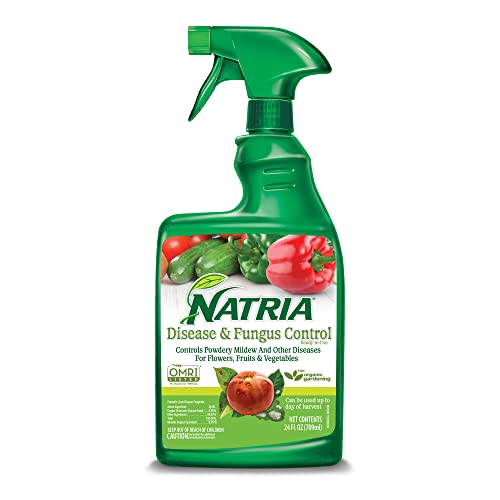
DISEASE CONTROL: Disease & Fungus Control controls powdery mildew, rust, black spot, fruit rot, downy mildew, late blight, and other listed diseases

DISEASE CONTROL - Liqui-Cop, Copper-Count-N, is designed to prevent a wide variety of plant diseases including anthracnose, brown rot, blight, downy mildew, botrytis blight, leaf spot and many more.

Copper Fungicide Safety Guidelines for Almonds
When applying copper fungicide to almond trees, understanding safety guidelines is essential to protect both the crop and the environment. This section outlines critical precautions and best practices to ensure effective use while minimizing potential risks associated with copper applications in almond orchards. Following these guidelines will help maintain tree health and optimize yield.
When applying copper fungicides, adhere to safety measures:
Wear protective clothing and gear
Avoid contact with skin and eyes
Follow local regulations for pesticide application
Almond Tree Disease Pressure Monitoring Techniques
Effective management of almond tree health relies heavily on monitoring disease pressure throughout the growing season. By employing various techniques to assess the presence and severity of diseases, growers can make informed decisions about when and how to apply copper fungicides. This proactive approach not only enhances crop yield but also promotes sustainable farming practices.
Regular monitoring of almond trees is essential for timely intervention. Look for signs such as:
Leaf discoloration
Fruit lesions
Premature leaf drop
Implementing a scouting program helps in identifying disease pressure early. This proactive approach allows for timely applications of fungicides.
Efficacy Assessment of Copper Fungicide on Almonds
Assessing the efficacy of copper fungicide on almond trees is crucial for optimizing crop health and yield. This evaluation looks at how effectively copper fungicide combats common diseases affecting almonds, providing insights into its performance and best application practices. Understanding these factors can help growers make informed decisions for their 2026 spray schedule.
After applying copper fungicides, evaluate their effectiveness by:
Observing disease progression
Recording weather conditions
Adjusting future applications based on results
A thorough evaluation can lead to improved management strategies in subsequent years.
Copper Fungicide Application Tips for Almond Trees
Effective application of copper fungicide is crucial for maintaining the health of almond trees and preventing disease. This section provides essential tips on how to properly apply copper fungicide, ensuring optimal coverage and efficacy. By following these guidelines, you can enhance the resilience of your almond trees against fungal threats.
Adhering to a structured spray schedule ensures the health of almond trees. Consistent monitoring and timely applications of copper fungicides can significantly reduce disease impact. Always prioritize safety and product selection for the best results.
