

Growing fruit trees in Delaware can yield delicious results with the right selection and care. Choosing varieties suited for the climate and understanding local soil conditions is essential for success.
Best Fruit Trees for Delaware’s Climate
Delaware’s climate features cold winters and warm summers, making it crucial to select fruit trees that can thrive in these conditions. Look for varieties that are disease-resistant and can withstand temperature fluctuations. Consider the following fruit trees that perform well in Delaware:
Apple Trees: Varieties like Honeycrisp and Fuji are popular for their flavor and hardiness.
Pear Trees: Bartlett and Bosc pears adapt well to local conditions.
Cherry Trees: Sweet cherries like Bing and sour cherries like Montmorency can flourish.
Peach Trees: Redhaven and Elberta are good choices for their resilience and fruit quality.
| Fruit Tree Type | Best Varieties | Disease Resistance | Harvest Time |
|---|---|---|---|
| Apple | Honeycrisp, Fuji | High | Late Summer to Fall |
| Pear | Bartlett, Bosc | Moderate | Late Summer |
| Cherry | Bing, Montmorency | High | Late Spring to Early Summer |
| Peach | Redhaven, Elberta | Moderate | Late Summer |
Recommended Products
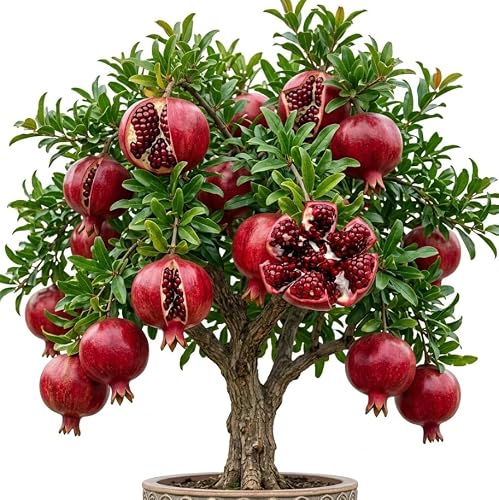
Each order includes a live red pomegranate plant, carefully grown and ready to thrive in your garden or home.
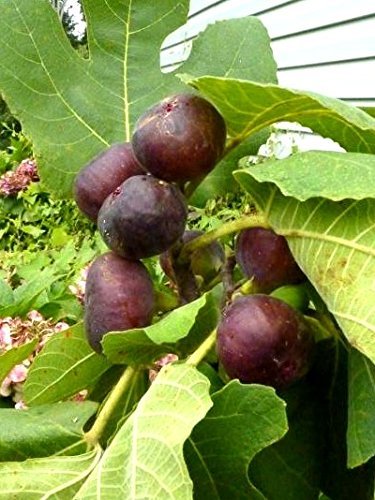
Includes Four Plants of "Chicago Hardy" Fig Trees with 4 Hello Organic Plant Tags. These are 2 inch rooted plants shipped in 2 inch tray pots and are 2-5 inches tall.

CHOOSE YOUR FAVORITE BANANA VARIETY – Select from Grand Nain, Dwarf Cavendish, Double Mahoi, Curly Tiny, or Basjoo Banana plants. Each variety offers unique characteristics, from sweet edible fruit to striking ornamental foliage and cold-hardy landscape performance.
Soil Testing for Fruit Tree Health
Understanding the soil composition in your backyard is crucial for the successful growth of fruit trees in Delaware. Soil testing provides valuable insights into nutrient levels, pH balance, and overall health, enabling you to make informed decisions about amendments and care. This section will guide you through the importance of soil testing and how to effectively implement it for optimal fruit tree success.
Soil preparation is a vital step in ensuring the health of your fruit trees. Conduct a soil test to determine pH and nutrient levels. Most fruit trees prefer slightly acidic to neutral soil, typically between 6.0 and 7.0.
Amend Soil: Incorporate organic matter such as compost to improve soil structure and fertility.
Ensure Drainage: Avoid areas with poor drainage to prevent root rot. Raised beds can help.
Mulch: Apply a layer of mulch around the base of the trees to retain moisture and suppress weeds.
Recommended Products

Quick, at home results for Soil pH, Nitrogen, Phosphorous and Potash Innovative and inexpensive soil test kit features an easy-to-use capsule system and patented color comparators

Comprehensive Soil Analysis: Liquid soil test kits offer a comprehensive analysis of essential soil parameters, including pH, ammonia, nitrogen, phosphorus, and potassium. Having all these measurements in one kit provides a holistic understanding of the soil's fertility and health.

KNOW BEFORE YOU GROW | Grow the healthiest, sustainable lawn and garden with the most accurate and easy to use professional soil test kit on the market
Watering Strategies for Delaware Fruit Trees
Effective watering is crucial for the health and productivity of fruit trees in Delaware’s unique climate. Understanding local rainfall patterns and soil types can help you develop a tailored watering strategy that supports your trees’ growth while conserving water. This section offers practical tips to ensure your backyard fruit trees thrive throughout the seasons.
Proper watering is essential for the establishment and growth of fruit trees. Newly planted trees require consistent moisture to develop strong roots.
Water Deeply: Aim for deep watering sessions to encourage roots to grow deeper into the soil.
Monitor Rainfall: Adjust your watering schedule based on rainfall, especially during dry spells.
Use Drip Irrigation: This method conserves water and delivers it directly to the roots.
Pest and Disease Management Strategies
Managing pests and diseases is crucial for the success of fruit trees in Delaware’s unique climate. Understanding common threats and implementing effective strategies can help ensure healthy growth and fruitful yields. This section outlines practical approaches to protect your trees from potential issues, enabling a thriving small backyard orchard.
Pest and disease management is crucial for maintaining healthy fruit trees. Regular monitoring and preventive measures can minimize damage.
Inspect Regularly: Check for signs of pests like aphids or spider mites.
Use Organic Treatments: Neem oil and insecticidal soap can help control infestations without harming beneficial insects.
Prune Wisely: Proper pruning improves air circulation and reduces disease risk.
| Common Pests | Symptoms | Control Methods |
|---|---|---|
| Aphids | Curling leaves | Neem oil, insecticidal soap |
| Spider Mites | Webbing on leaves | Increase humidity, insecticidal soap |
| Coddling Moth | Worms in fruit | Pheromone traps, timely harvesting |
Recommended Products

FUNGAL DISEASE CONTROL: Prevents and controls black spot on roses, powdery mildew, rust, downy mildew, and other listed fungal diseases when applied on a 7–14 day schedule

#1 BEST PURE NEEM OIL FOR PLANTS: Zuprime Neem Oil concentrate is your go-to neem oil spray for indoor ornamental plants as well as neem oil spray for outdoor ornamental plants. It's made with 100% cold pressed high quality organic neem oil your plants need for a shiny glow.

FOR ORGANIC GARDENING: Use in & around the home & garden on roses, flowers, houseplants, ornamental trees & shrubs, fruits & vegetables
Optimal Planting Times for Delaware Fruit Trees
Understanding the best times to plant fruit trees in Delaware is crucial for ensuring their successful growth and yield. The region’s climate and seasonal variations play a significant role in determining the optimal planting windows. This section provides essential insights into when to plant various fruit trees for maximum success in small backyards.
Timing is critical for planting fruit trees in Delaware. The best planting window is during the early spring or late fall when temperatures are cooler.
Spring Planting: This allows trees to establish roots before the heat of summer.
Fall Planting: Trees can benefit from warm soil temperatures, promoting root growth before winter dormancy.
Avoid Late Summer: Planting in late summer can stress trees due to heat and drought.
Optimal Fertilization Techniques for Fruit Trees
Fertilizing fruit trees effectively is crucial for maximizing their growth and fruit production in Delaware’s unique climate. Understanding the specific nutrient needs of different varieties can lead to healthier trees and a more bountiful harvest. This section explores optimal fertilization techniques tailored for small backyards, ensuring your fruit trees thrive.
Fertilization plays a significant role in the growth and productivity of fruit trees. Understanding when and how to fertilize can lead to better yields.
Use Balanced Fertilizers: Look for fertilizers with a balanced N-P-K ratio to provide essential nutrients.
Apply in Spring: Fertilize in early spring as trees begin to leaf out.
Follow Recommendations: Use soil test results to guide your fertilization strategy.
| Fertilizer Type | Application Timing | Nutrients Provided |
|---|---|---|
| Balanced Fertilizer | Early Spring | Nitrogen, Phosphorus, Potassium |
| Organic Compost | Spring and Fall | Micronutrients, Organic Matter |
| Slow-Release Granules | Early Spring | Gradual nutrient release |
Identifying Stress Indicators in Fruit Trees
Understanding the stress indicators in fruit trees is crucial for maintaining their health and productivity, especially in Delaware’s unique climate. By recognizing the signs of stress early, gardeners can take proactive measures to ensure their trees thrive in a small backyard setting. This section will guide you through the key indicators to watch for and how to address them effectively.
Regular observation of your fruit trees can help identify stress signs early. Look for changes in leaf color, growth rate, and fruit production.
Yellowing Leaves: May indicate nutrient deficiencies or overwatering.
Stunted Growth: Could be a sign of poor soil conditions or root issues.
Low Fruit Yield: May result from inadequate pollination or pest damage.
Addressing these signs promptly can prevent long-term damage to your trees.
